- Home /
- Size Small Ring Size
Size Small Ring Size
Finding the perfect fit is essential when it comes to jewelry, and Size Small Ring Size options ensure your style shines with comfort and confidence. Whether you’re treating yourself or searching for a thoughtful gift, our curated selection offers beautiful designs crafted to complement smaller ring sizes. Explore pieces that add a touch of elegance to every look, making it easy to express your unique personality with just the right fit.
Sort by:
0 Item(s)
Filter & Sort
Filter & Sort
0 item(s)
Sort by
This product is not available
Check out the following recommendations.
Size Small Ring Size
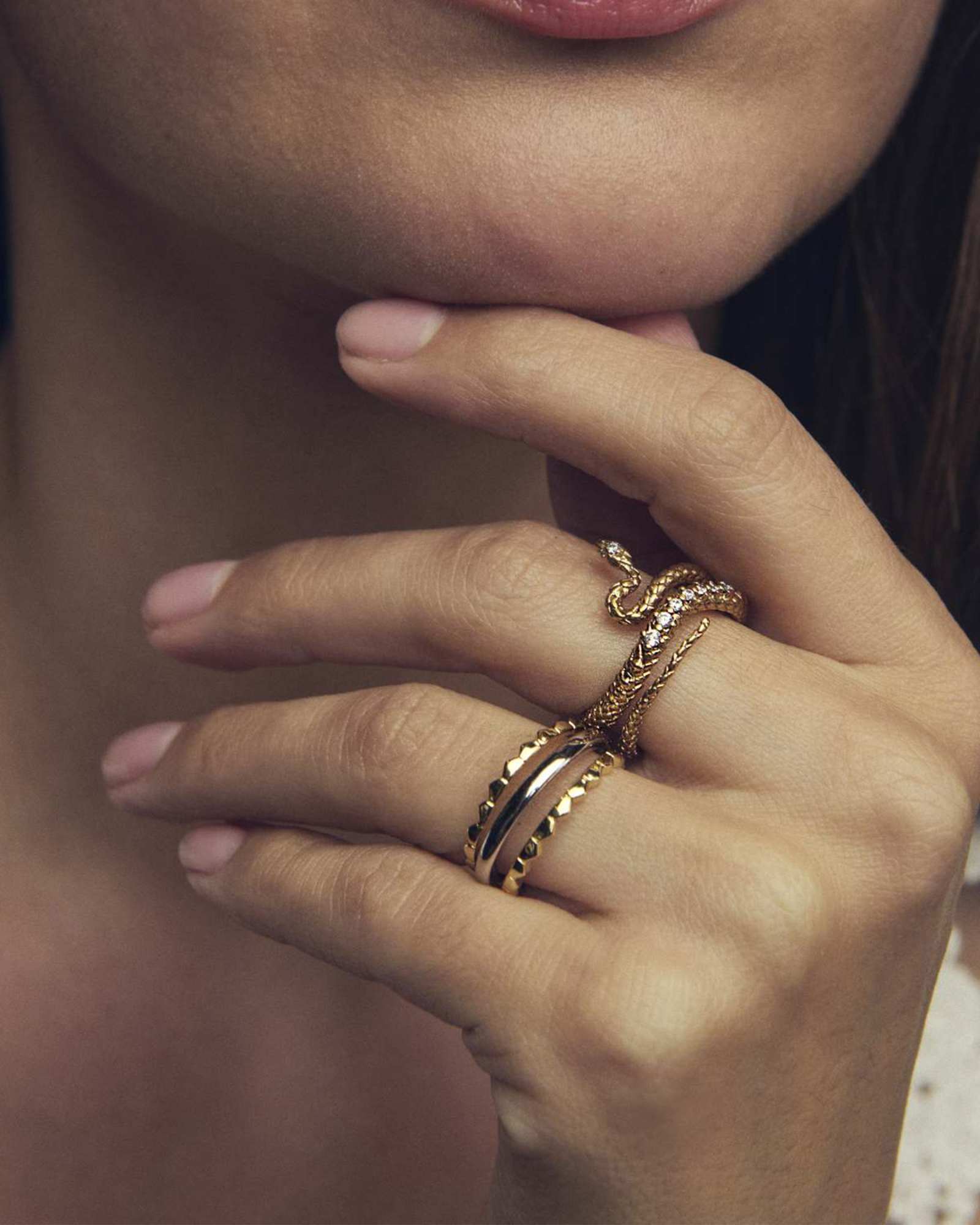
Small ring sizes bring the focus to comfortable proportions, expressive details, and a fit that feels secure without getting in the way. In jewelry sizing, “small” refers to a general size category rather than one universally defined measurement. A ring labeled small does not automatically correspond to the same numerical size across every design, so the size information attached to a ring matters more than the letter alone. U.S. numerical ring sizes describe the inner dimensions of the band, while labels such as small group sizes more broadly. Neither label describes how large the decorative face of a ring will look on the hand: a ring with a smaller inner diameter can still have a prominent silhouette, just as a narrow band can come in a larger size. That distinction leaves plenty of room for personal style. Someone with slender fingers might favor an understated shape for everyday wear or a more substantial focal point for dinners and celebrations. A smaller ring may also suit a pinky finger on a hand that takes larger sizes elsewhere. The intended finger is therefore an important part of the choice, and the same finger on opposite hands may need different sizes. For shoppers whose measurements correspond to a U.S. size 6, Size 6 Rings offers a more precise starting point than a general small-size label. Size 6 measures approximately 16.5 millimeters across the inside, though the way it feels also depends on the band’s width and shape. Small-size rings are not limited to delicate styling or a particular age group. Their appeal lies in finding the right dimensions for the wearer, then choosing a design that feels like an extension of their personality, whether that means clean lines, expressive color, or a distinctive shape.
The most satisfying fit balances ease of movement with enough resistance to keep the ring in place. A ring should pass over the knuckle with gentle resistance and sit comfortably at the base of the finger without pinching, causing numbness, or slipping off during ordinary movement. For a person whose knuckle is noticeably wider than the base of the finger, that balance can take extra attention; choosing solely for a close fit at the base may make removal difficult. Band width matters, too. A broad band covers more of the finger and can feel snugger than a narrow one with the same stated size. Several rings worn together may create a similar effect, making the total width of a stack just as relevant as the fit of each ring separately. These differences are especially useful to consider when choosing between a single everyday accent and a layered arrangement. A slim silhouette can leave more space for neighboring fingers, while a wider profile creates greater visual presence. Decorative height adds another dimension: a raised design may be a lovely choice for an occasion, while a lower profile may feel easier for someone who types frequently, handles paperwork, or prefers jewelry that stays close to the hand. A ring that looks balanced in a photograph should also feel comfortable when the hand closes, holds a pen, or rests around a mug. Finger measurements can fluctuate with activity and throughout the day, so a single hurried measurement may not reflect the most comfortable fit. Checking the intended finger more than once, using a ring sizer, and consulting the relevant size chart can reduce uncertainty. For small ring sizes, precision is particularly valuable when a seemingly slight difference changes whether a ring turns freely, presses against the finger, or stays comfortably centered. Good fit supports the design, allowing its shape and details to stand out without requiring constant adjustment.
Materials, construction, and care help determine how a small ring fits into daily life, but those details should come from the individual description rather than its color or appearance. A gold-colored finish alone does not establish metal content, and the look of a decorative accent does not identify its material. For someone with known sensitivities, checking the stated composition is an important part of selecting a ring that feels as good as it looks. The same attention helps set realistic expectations for durability: a ring’s ability to tolerate frequent wear depends on its construction, finish, decorative elements, and the activities it encounters, not simply on its size. Rings worn while gripping exercise equipment, lifting heavy objects, or working with household cleaners may experience pressure, abrasion, or chemical exposure. Setting jewelry aside for those tasks helps limit avoidable wear. Following the supplied care directions is preferable to using a cleaning method intended for a different material, and keeping rings separated in storage can help reduce rubbing and tangling with other jewelry. A designated place to put a ring before chores also makes a small piece easier to keep track of than leaving it beside a sink or on the edge of a desk. For gifting, small-size rings can feel especially personal when the choice reflects both the recipient’s measurements and familiar style. A birthday gift might echo the simple shapes someone wears every day, while a graduation or anniversary gift might introduce a more expressive silhouette that still feels comfortable on their preferred finger. Knowing an accurate size is more useful than guessing from the appearance of their hands, and a ring they already wear is only a helpful reference if it fits the same intended finger. Design preferences offer another meaningful clue: someone who rarely removes a favorite understated band may appreciate an easy-to-wear profile, while a person who enjoys changing accessories may welcome a shape that adds variety to a ring stack. Whether chosen as a gift or a personal finishing touch, a small-size ring feels most considered when fit, proportion, and everyday habits receive as much attention as its visual appeal.
Bestsellers
Related Pages
Top Collections
Unique Necklaces Fine Jewelry Gold Necklaces Engravable Rings Guide: What to Know Before You Customize Jewelry Gifts For Teens Genuine Gold Necklaces 16th Birthday Gifts For Daughter Sterling Silver Cross Necklaces For Women Gemstone Cuff Bracelets Fashionable Pink Necklaces Cute Friendship Necklaces