- Home /
- Rings For Small Fingers
Rings For Small Fingers
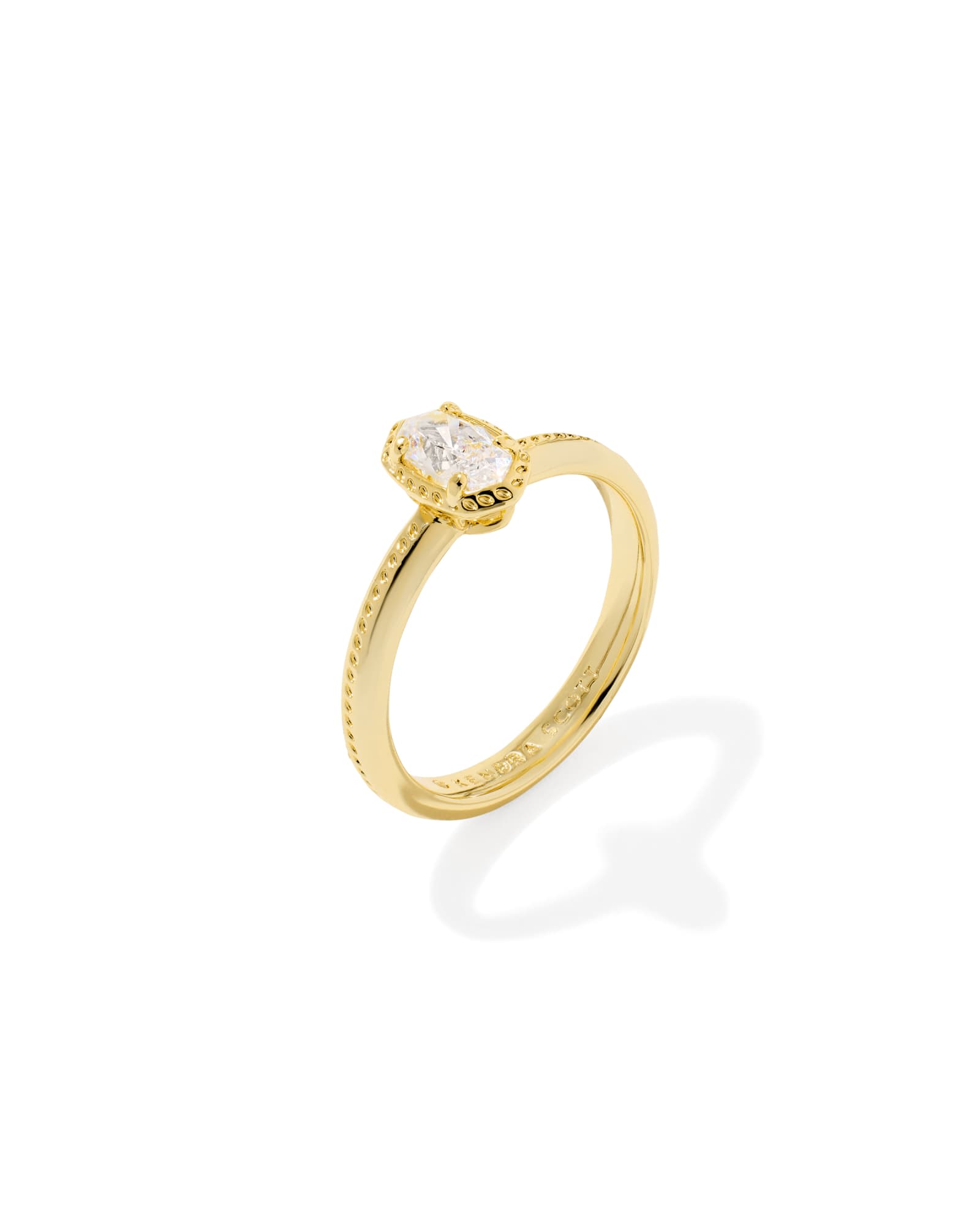
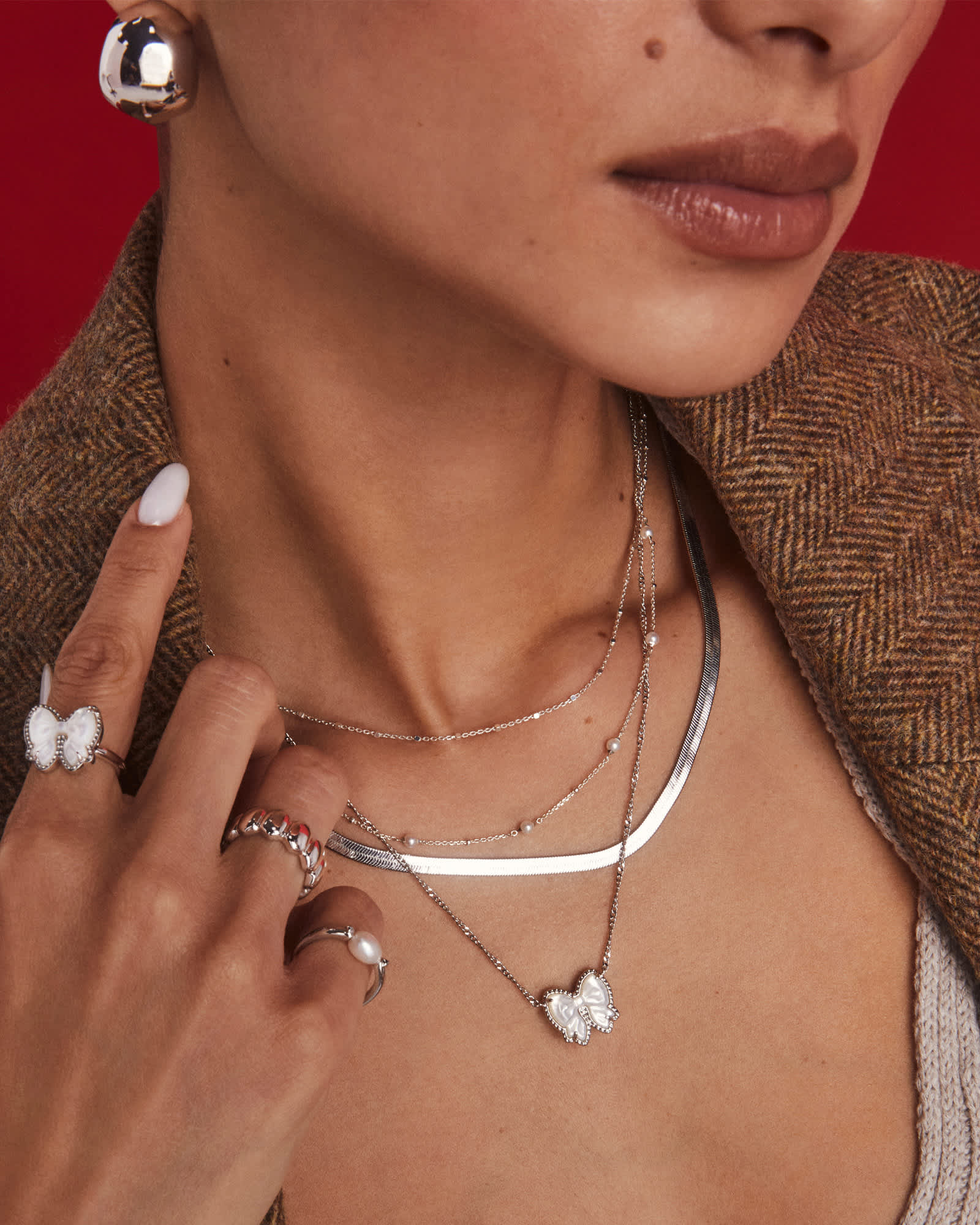
Rings for Small Fingers are designed to celebrate delicate style with a perfect fit. Explore a curated selection of pieces that complement petite hands, offering elegant details and eye-catching designs. Whether you’re searching for a subtle accent or a standout statement, these rings bring confidence and charm to every look. Find your next favorite accessory and let your unique personality shine through with rings crafted just for you.
Sort by:
0 Item(s)
Filter & Sort
Filter & Sort
0 item(s)
Sort by
This product is not available
Check out the following recommendations.
Rings for Small Fingers
Rings for small fingers bring personal style into focus through proportion, comfortable fit, and details that feel considered rather than crowded. A smaller finger circumference does not necessarily mean a shorter finger, so the most flattering ring depends on more than size alone. Slender fingers may suit a narrow band with a distinct focal point, while shorter fingers can benefit from a design that leaves a little space between the ring and the knuckle. Thin bands, often around 1 to 2 millimeters wide, create a light visual footprint and can work beautifully on their own or alongside another ring. Width is only part of the picture, though: the height of the design, the size of its central detail, and the direction of its silhouette all influence how it looks on the hand. Oval, pear, and marquise shapes draw the eye along the finger, while rounded forms offer a softer, more compact look. These are styling possibilities, not rules. A wider ring can be just as expressive on a petite hand when its proportions feel comfortable and its shape suits the wearer. An open silhouette can give a substantial design a lighter appearance, and a simple band can provide a quiet counterpoint to a more detailed ring. For everyday outfits, a single understated ring adds a finishing touch without competing with patterned sleeves or other accessories. For a dinner, celebration, or dressed-up occasion, a more noticeable focal shape can stand on its own, letting the ring carry the look. The appeal of petite rings is not limited to a delicate aesthetic; it is the freedom to choose a design that feels intentional on the hand. Whether the preference is minimal, playful, or sculptural, rings for petite fingers should reflect the wearer’s taste rather than suggest that small hands belong to only one style. Thoughtful scale leaves room for personality, with each curve, color, and detail contributing to a look that feels individual.
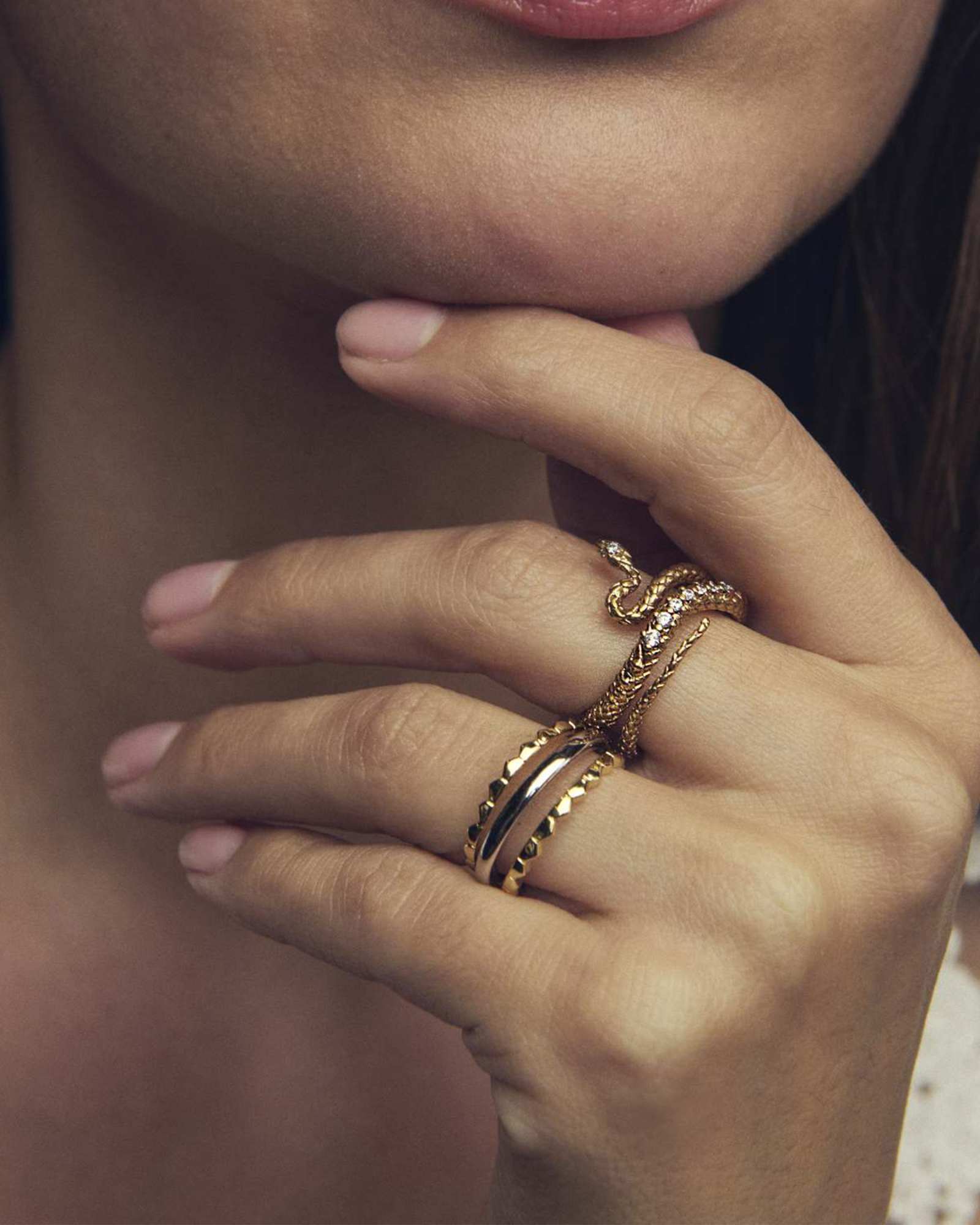
Fit gives that visual balance its practical foundation. A ring should sit securely at the base of the finger without pinching and pass over the knuckle with gentle resistance rather than force. Finger circumference and knuckle size can differ, which helps explain why two rings with the same stated size may not feel identical. Band width and interior shape also affect comfort: a broad band covers more skin than a narrow one, and several stacked rings can feel more substantial than each ring worn separately. For small ring sizes, a small difference in fit can be especially noticeable, making measurements and the size information for the individual design more useful than assumptions based on appearance. A pinky ring and a midi ring also sit in different places on the hand, so neither should be chosen simply because it has a small size. Midi rings rest above the middle knuckle and need a fit suited to that position; a ring intended for the base of a finger needs its own measurement. Adjustable designs, when identified as adjustable, can offer some flexibility, but their stated adjustment limits still matter. Repeated bending is not a substitute for an appropriate fit. Comfort also comes down to daily habits. Someone who spends much of the day typing may appreciate a smooth profile that does not press against neighboring fingers, while someone frequently pulling on fitted cuffs may prefer a design that sits closer to the hand. Taller details can make an expressive accent for occasions when ease of movement is less of a concern. Stacking offers another way to personalize rings for small hands without relying on one large design. Two narrow bands with different visual textures can create dimension, while a little space between rings keeps the arrangement from feeling crowded. The most wearable combination allows the fingers to bend freely and feels comfortable through ordinary gestures, from holding a coffee cup to fastening a necklace. A secure, easy fit helps a ring become part of a routine rather than something that needs constant readjustment.
Color, materials, and care add another layer to choosing rings for small fingers, especially when the goal is a piece that works across different outfits and occasions. A warm-toned ring can echo similar accents in earrings or a necklace, while a cooler tone can create a clean contrast with colorful clothing. For a warm-toned direction, explore Gold Rings For Petite Fingers, with the same attention to scale, profile, and comfortable fit. Color alone does not establish a ring’s metal or construction, so the stated material and finish details are important when comparing designs. Those details also help shoppers with known sensitivities make informed choices. Where a ring features a stone or another decorative element, its description should clarify the material rather than leave its identity to appearance. Care needs can vary between designs, making the provided care directions the best starting point for cleaning and storage. A soft cloth can be useful for gentle surface care when recommended, while cleaning products and soaking methods should be suited to the stated materials. Removing rings before swimming, household cleaning, lifting weights, or other activities that expose them to chemicals, pressure, or hard contact can help reduce avoidable wear. Separate storage helps keep rings from rubbing against one another, and checking a ring for a bent shape or loosened detail can reveal when it needs attention. Durability is about matching a design to the way it will be worn, not assuming that a delicate appearance makes a ring suitable for every activity. For gifting, a known ring size and the recipient’s preferred finger provide a thoughtful starting point. A familiar ring measured for the same finger can offer more useful information than a guess based on hand size. Birthdays, anniversaries, graduations, and personal milestones are meaningful occasions for a ring that reflects someone’s style. A restrained band may suit a person who rarely changes accessories, while a distinctive silhouette may feel right for someone who enjoys experimenting. The lasting connection comes from choosing proportions, comfort, and character that feel personal.
Bestsellers
Related Pages
Top Collections
Unique Necklaces Fine Jewelry Gold Necklaces Engravable Rings Guide: What to Know Before You Customize Jewelry Gifts For Teens Genuine Gold Necklaces 16th Birthday Gifts For Daughter Sterling Silver Cross Necklaces For Women Gemstone Cuff Bracelets Fashionable Pink Necklaces Cute Friendship Necklaces