- Home /
- Helix Hoop Earrings
Helix Hoop Earrings
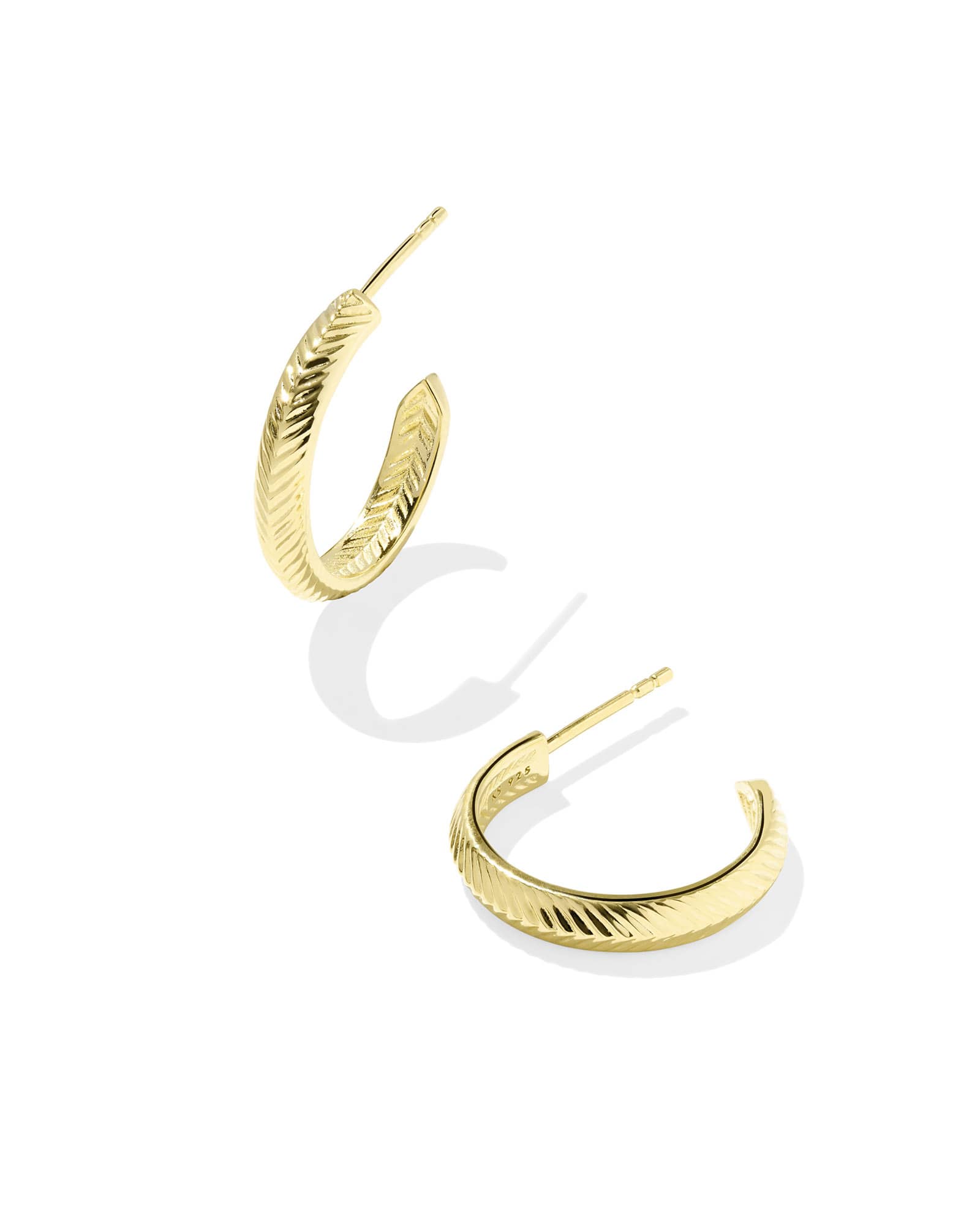
Helix Hoop Earrings are the perfect blend of modern style and timeless elegance, designed to elevate any jewelry collection. Their unique silhouette adds a touch of sophistication to both everyday looks and special occasions. Whether you’re seeking a subtle accent or a bold statement, Helix Hoop Earrings offer versatile options to complement your personal style. Discover how these eye-catching hoops can bring a fresh twist to your accessory lineup.
Sort by:
0 Item(s)
Filter & Sort
Filter & Sort
0 item(s)
Sort by
This product is not available
Check out the following recommendations.
Helix Hoop Earrings
Helix hoop earrings bring a considered finishing touch to the upper ear, tracing the outer cartilage with a curved silhouette that can feel understated, expressive, or somewhere in between. Unlike a hoop worn through the soft earlobe, a helix hoop sits along the firmer outer rim, so its proportions matter as much as its appearance. A small circle can frame the edge of the ear, while a roomier shape creates more visible space around the piercing. Neither look is automatically the better fit: placement, ear anatomy, and the thickness of the jewelry all influence how a hoop rests. For someone who enjoys a carefully arranged ear stack, a helix hoop can add a point of interest above a row of lobe earrings without making the arrangement feel crowded. It can also stand alone, offering a simple accent that becomes visible when hair is tucked behind the ear. The appeal lies in that flexibility. A restrained silhouette pairs easily with tailored clothing and everyday outfits, while a more decorative profile can complement a celebratory look. When comparing designs, consider the full view of the ear rather than the hoop in isolation. Leaving a little visual space between earrings helps each shape feel intentional, particularly when several piercings sit close together. Repeating rounded forms creates a cohesive arrangement; pairing a hoop with a small angular stud introduces contrast. Color can provide another connection, whether the earrings share a similar tone or combine contrasting finishes. For a closer look at the category, the Helix Earring Hoop page offers another place to explore the style. The most personal combinations often come from simple choices: the scale that feels comfortable, the profile that suits a favorite hairstyle, and the balance between a subtle detail and a more noticeable accent.
Choosing a helix hoop starts with understanding measurements, because an earring that looks petite in a photograph may still be too large, too small, or too thick for a particular piercing. Inner diameter describes the space inside the ring, while gauge describes the thickness of the section that passes through the piercing. Those measurements serve different purposes and should not be treated as interchangeable. A close-fitting look should never depend on a ring pressing into the ear, and extra diameter does not necessarily translate to greater comfort if the hoop catches on hair or accessories. A qualified professional piercer can assess the placement and recommend dimensions that allow the jewelry to sit without compression. This is especially important when changing from a stud to a hoop or shopping for a piercing whose original measurements are unknown. An earring intended for a lobe is not automatically appropriate for cartilage, even when the overall shape looks similar. Check the stated intended use, dimensions, closure, and material details before deciding. Material selection deserves particular attention for anyone with a history of metal sensitivity. Appearance alone cannot establish composition, and a color description does not reveal which materials may touch the skin. Review the complete listing rather than assuming that a familiar finish will suit a sensitive piercing; when details are unclear, seek clarification before wearing the jewelry. Closure design also affects the experience. The fastening should secure as intended, and the part traveling through the piercing should not be forced into place. Consider how the hoop will interact with daily routines, too. Over-ear headphones, a phone held against the ear, eyeglass arms, and hair brushed behind the ear can all make an upper-ear placement more noticeable. A decorative detail that looks appealing from the front may project farther from the side, so profile views and measurements can be just as useful as a styled photograph. Comfort is individual, but careful attention to these practical details makes comparison more meaningful than choosing by appearance alone.
Helix hoops are often considered for established piercings, but readiness for a jewelry change should be assessed by a professional piercer rather than judged only by how the outside of the ear looks. Cartilage can remain sensitive even when a piercing appears settled, and switching jewelry too soon may disturb healing. For a healing piercing, follow individualized aftercare advice and avoid removing or rotating the jewelry simply to clean it. For an established piercing, jewelry care still needs to match the stated materials and construction. Follow the supplied care directions, avoid improvised cleaning mixtures, and do not assume that a method suitable for one finish or decorative element is suitable for another. When earrings are removed, storing them separately can help reduce tangling and rubbing against other jewelry. Check the closure periodically for changes in alignment or security, and stop wearing a hoop that has become bent, rough, or difficult to fasten. Durability is not something that can be determined from shine or size alone; construction, handling, and exposure during wear all play a role. Sleeping deserves separate consideration because pressure against a pillow can irritate an ear even when the hoop feels comfortable during the day. Smooth styling does not guarantee that a ring will be comfortable overnight, and projecting details may create additional contact points. Rather than assuming that every helix hoop is suitable for continuous wear, discuss persistent pressure or irritation with a professional piercer and seek medical advice for suspected infection. As a gift, helix hoop earrings can be a thoughtful choice for someone who already enjoys styling a healed cartilage piercing, provided the recipient’s measurements and material preferences are known. A graduation, birthday, or personal milestone can make the gesture especially meaningful without requiring an elaborate design. Confirming fit beforehand preserves the pleasure of receiving jewelry chosen with care. Whether selected as a gift or as part of a personal collection, a well-considered helix hoop balances an expressive silhouette with the everyday details that make wearing it feel natural.