- Home /
- Helix Earring Hoop
Helix Earring Hoop
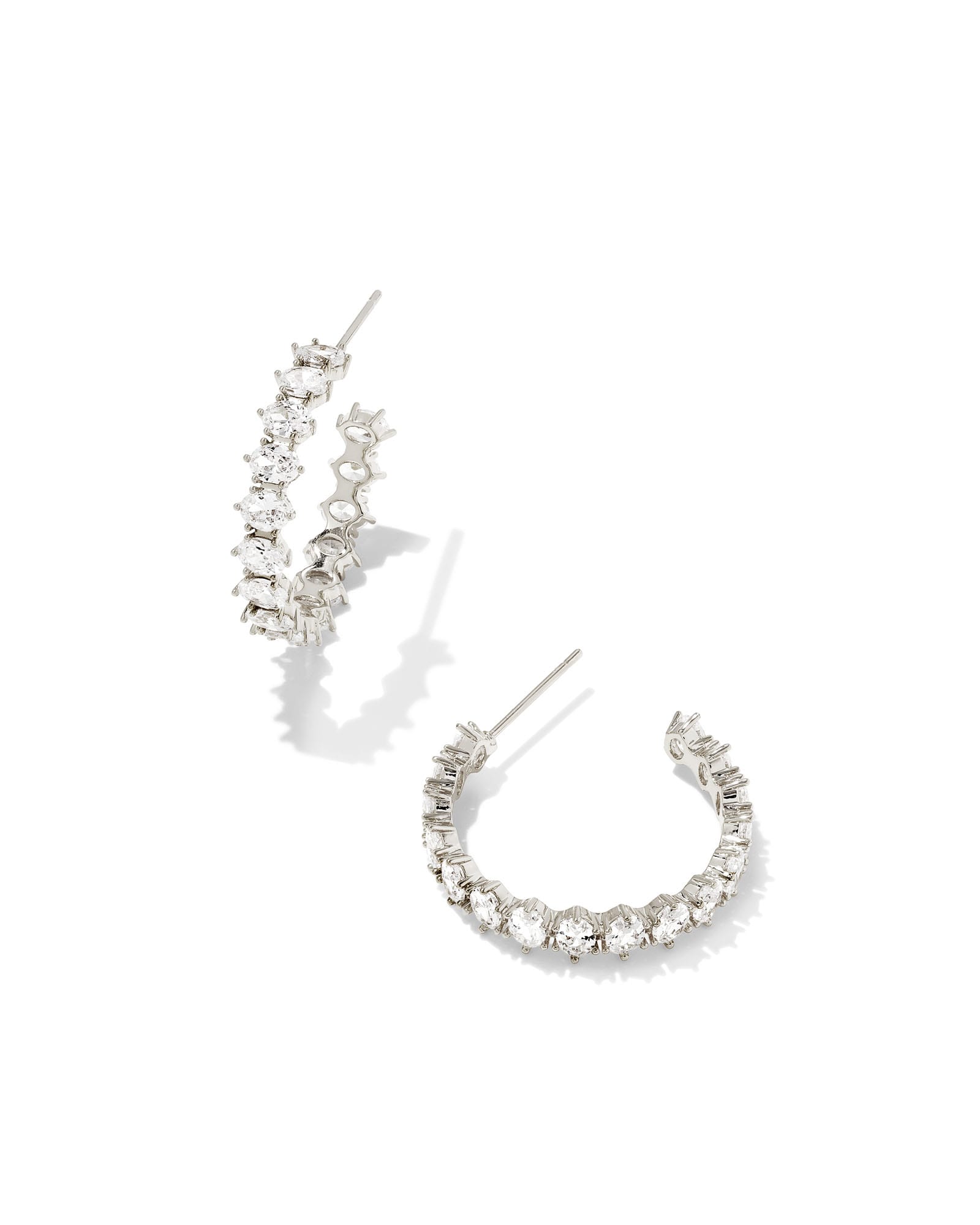
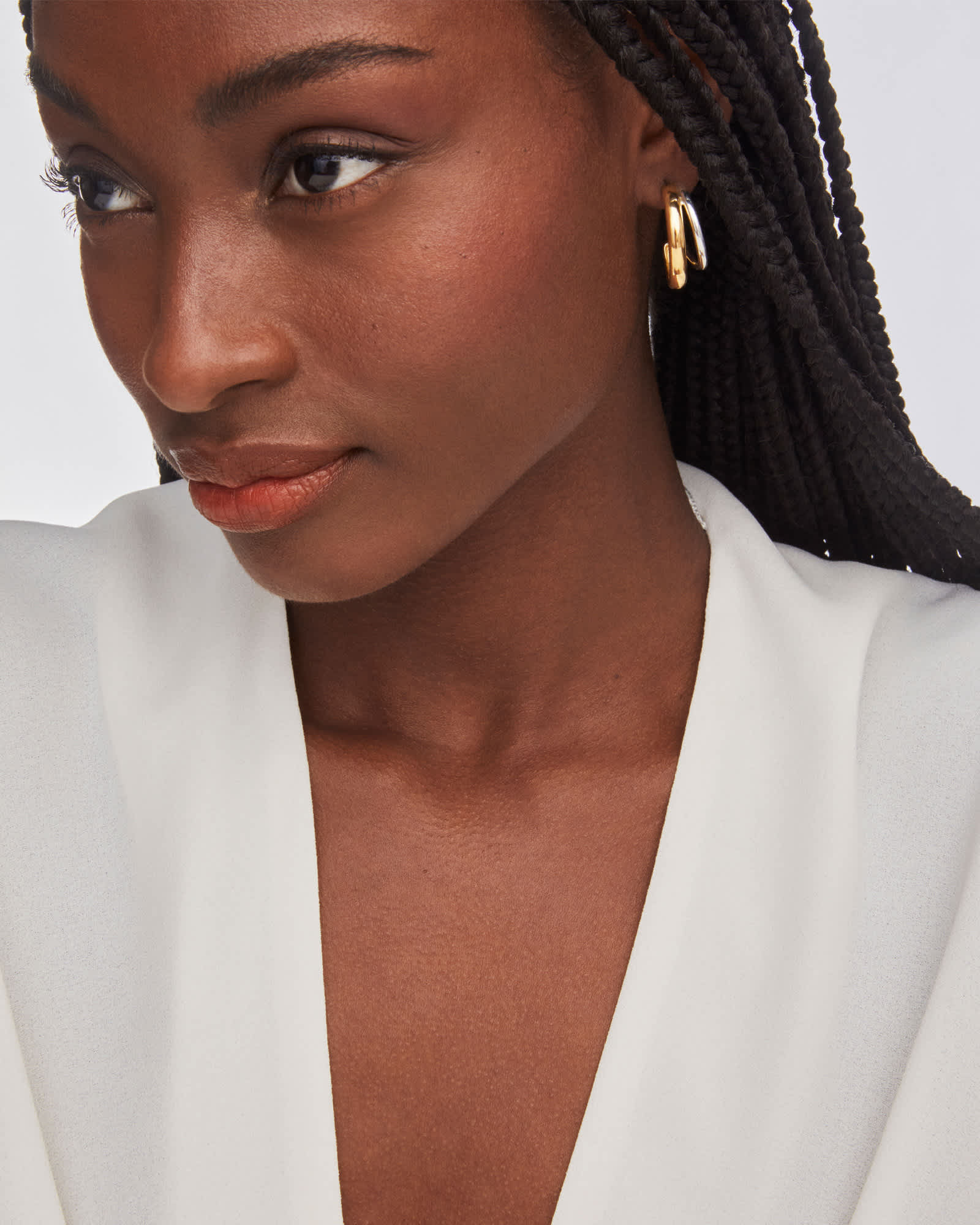
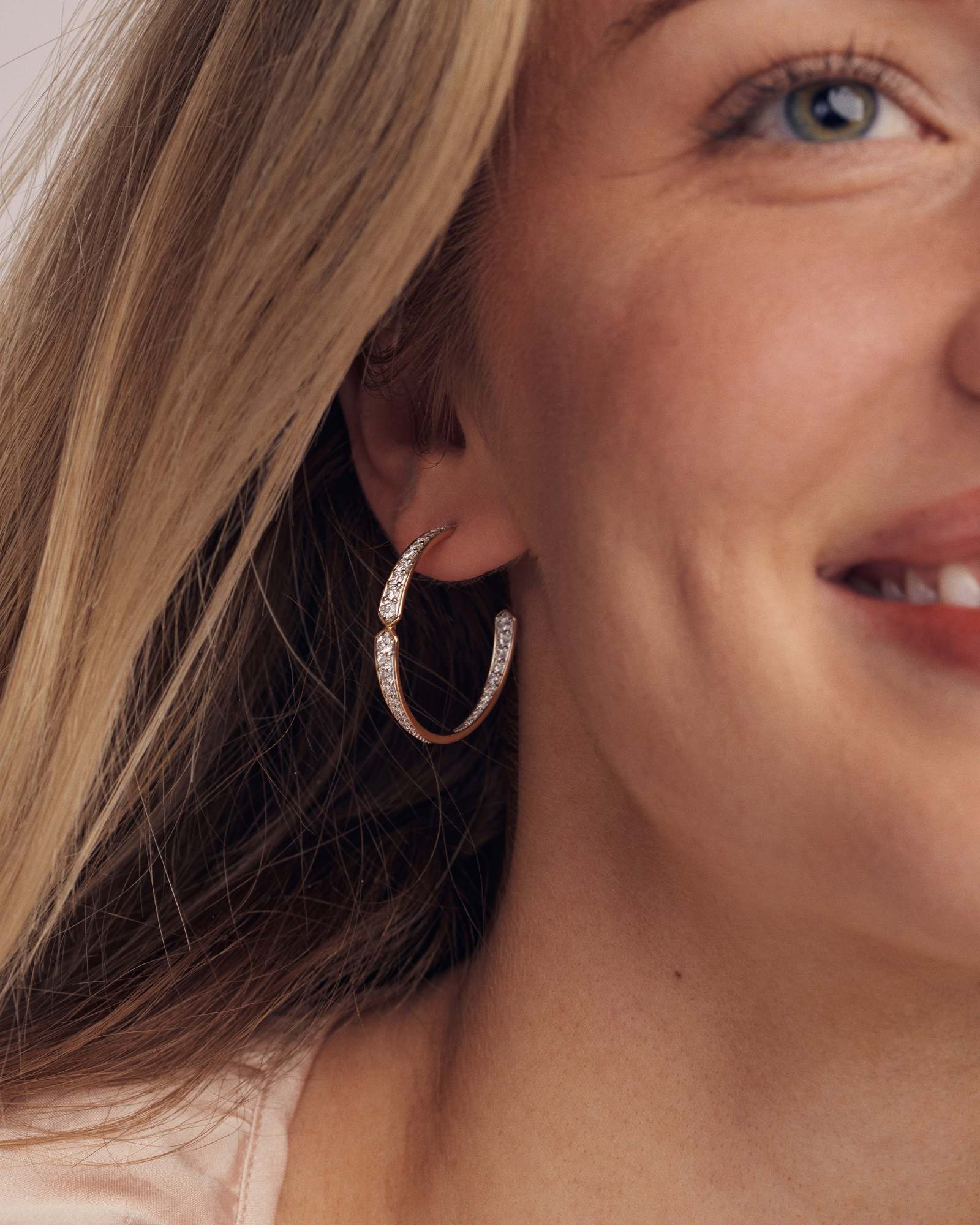
Elevate your ear stack with the Helix Earring Hoop, a chic and versatile accessory designed to complement any look. Perfect for adding a touch of modern elegance, these hoops bring effortless style whether you're dressing up for an evening out or keeping it casual. Discover bold, bright options and beachy-inspired designs that make a statement all summer long. Find your new favorite Helix Earring Hoop and express your individuality with every wear.
Sort by:
0 Item(s)
Filter & Sort
Filter & Sort
0 item(s)
Sort by
This product is not available
Check out the following recommendations.
Helix Earring Hoop
A helix earring hoop is a circular earring worn through a piercing along the upper outer rim of the ear. Its curved silhouette frames the cartilage, creating a small but distinctive detail that can stand alone or become part of a layered ear look. Unlike a hoop worn at the earlobe, a helix hoop needs to suit the location and angle of a cartilage piercing, making proportion and fit just as important as appearance. The effect can be understated: a neat curve at the top of the ear, a little space between the hoop and the rim, or a subtle accent that draws attention when hair is tucked back. For someone who prefers a simple jewelry routine, one well-chosen hoop can provide a finishing touch without requiring an elaborate arrangement. For someone who enjoys mixing earrings, it can bring balance to a combination of lobe hoops and small studs. Explore Helix Hoop Earrings with the overall silhouette in mind, considering how closely the hoop follows the ear and how its scale relates to other earrings. A smaller visual profile can keep the focus on clean lines, while a more noticeable curve creates a stronger focal point. Matching every earring is not necessary; repeating a shape, color, or level of detail can make an arrangement feel cohesive without making it uniform. A simple helix hoop can complement a more expressive earlobe earring, while an upper-ear accent with more visual detail may look especially balanced beside quieter pieces. Think about the jewelry that already feels comfortable and familiar, whether that means a single pair for daily wear or a thoughtfully assembled mix for dinners, celebrations, and everyday outings. The most personal combinations often come from small decisions about spacing and proportion rather than adding more earrings. Leaving room between accents allows each shape to remain visible and gives the whole arrangement a considered, uncluttered feel.
Fit begins with the piercing itself, not with a size that happens to be popular. The distance between the piercing channel and the edge of the ear, the thickness of the cartilage, and the angle of the placement all influence how a hoop sits. Inner diameter describes the opening inside the hoop, while outer diameter includes the hoop’s thickness; these measurements are not interchangeable. For example, a 6 mm inner diameter has a smaller opening than an 8 mm, 10 mm, or 12 mm inner diameter, but none of those measurements guarantees a comfortable fit for every helix piercing. A close-fitting look should not mean that the hoop presses into the ear, and additional space should not leave the earring catching unnecessarily on hair or clothing. The thickness of the part that passes through the piercing, often described as its gauge, is a separate measurement from diameter. A small hoop designed for an earlobe is not automatically appropriate for cartilage simply because its size looks right. A qualified piercer can help confirm the measurements and jewelry suitability for an individual placement, particularly before changing jewelry in a new or still-healing piercing. Material information deserves the same attention as dimensions. Read the stated composition and finish rather than relying on a color description or photograph to determine what an earring is made from. If there is a history of sensitivity to particular materials, use the disclosed details and professional guidance to narrow the choice; appearance alone cannot establish suitability. Consider the profile and closure information provided in the description as well. A fastening should close as intended without forcing, and any decorative detail should be considered in relation to where it will sit against the ear. These practical details support the desired look rather than competing with it. When measurements and specifications are clear, it becomes easier to distinguish a hoop chosen mainly for its appearance from one that also suits the intended piercing and wear routine.
A helix hoop should fit into everyday life as thoughtfully as it fits into an ear arrangement. Hair length, glasses, headphones, and the way clothing moves around the head can all affect the wearing experience. Someone who often pulls a sweater over the head may prefer a less projecting silhouette, while someone who wears over-ear headphones should consider whether the jewelry will sit beneath a point of pressure. Even a healed piercing can become uncomfortable when an earring is repeatedly caught, rubbed, or pressed against. Overnight wear is not a universal benefit of a small hoop, and a close fit does not make every design suitable for sleeping. For a new or healing piercing, follow a qualified piercer’s guidance about jewelry changes, cleaning, and activities rather than adapting an earlobe jewelry routine. For the earring itself, care should follow the instructions associated with its stated materials and finish. Avoid assuming that every hoop tolerates water, personal-care products, or the same cleaning solution. Handle the fastening gently, keep removed jewelry in a clean storage space, and avoid storing earrings loose where they can become tangled or scratched. Check that the closure works as intended before wear, and do not force a damaged or misaligned fastening. Durability depends on the individual design, its disclosed construction, and how it is handled; size or appearance alone is not a reliable measure of strength. As a gift, a helix earring hoop can be a thoughtful choice for someone with an established cartilage piercing and a clear sense of personal style. Knowing the recipient’s preferred measurements, material requirements, and usual earring combinations makes the selection more meaningful than guessing from appearance. A birthday, graduation, or personal milestone can be an opportunity to choose a shape that reflects the recipient’s style without requiring an entirely new jewelry wardrobe. Whether selected as a gift or a personal finishing touch, the best match brings together an appealing silhouette, appropriate specifications, and a comfortable place in the wearer’s routine.
Bestsellers
Related Pages
Top Collections
Unique Necklaces Fine Jewelry Gold Necklaces Engravable Rings Guide: What to Know Before You Customize Jewelry Gifts For Teens Genuine Gold Necklaces 16th Birthday Gifts For Daughter Sterling Silver Cross Necklaces For Women Gemstone Cuff Bracelets Fashionable Pink Necklaces Cute Friendship Necklaces