- Home /
- Unique Botanical Design Necklaces
Unique Botanical Design Necklaces
Discover a fresh way to express your personal style with unique botanical design necklaces. Inspired by the beauty of nature, these pieces capture the essence of flourishing gardens and lush greenery. Perfect for adding a touch of organic elegance to any outfit, each necklace brings a sense of natural charm and artistry to your jewelry collection. Embrace a look that’s both timeless and distinctive with unique botanical design necklaces that celebrate the wonders of the outdoors.
Sort by:
0 Item(s)
Filter & Sort
Filter & Sort
0 item(s)
Sort by
This product is not available
Check out the following recommendations.
Unique Botanical Design Necklaces
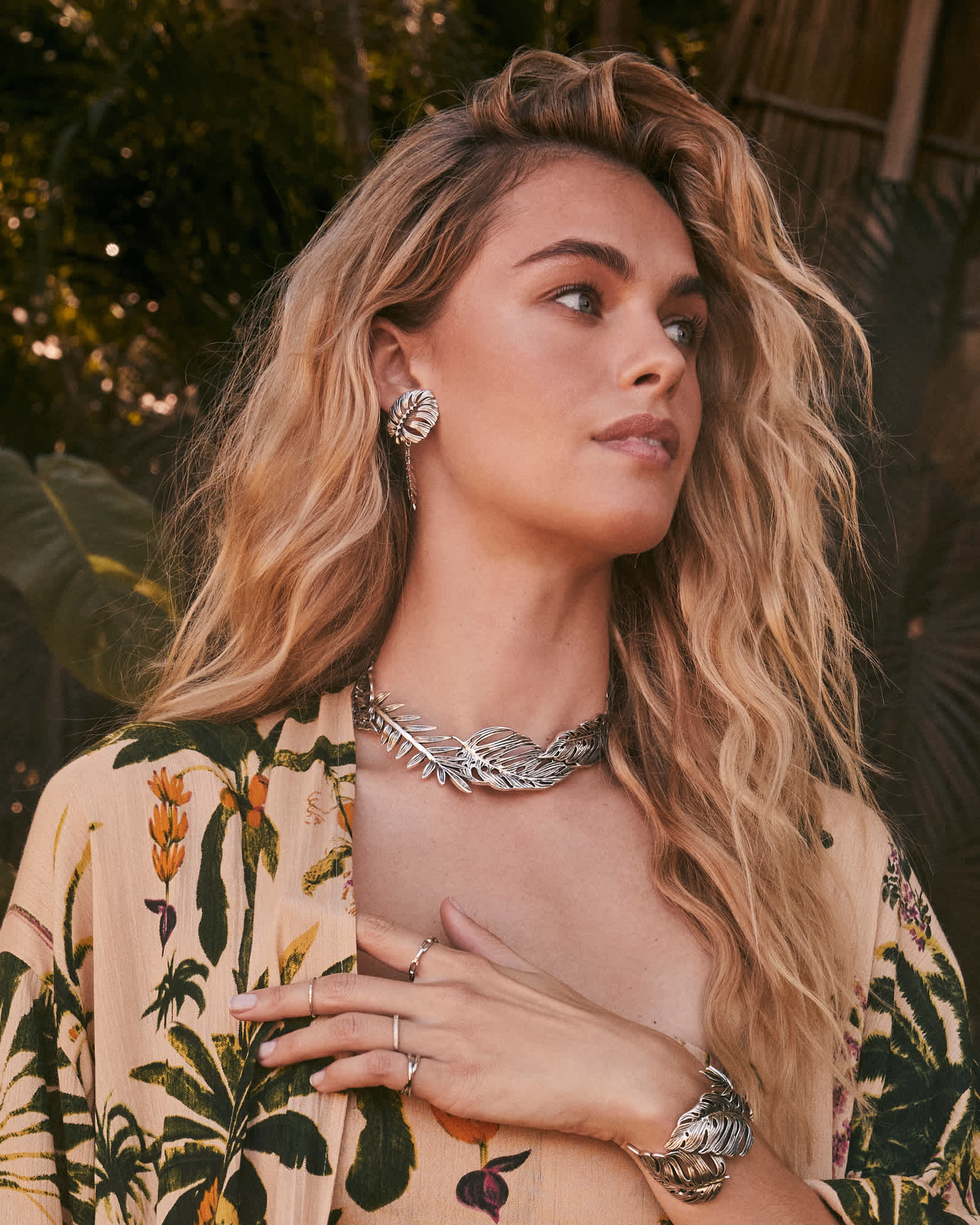
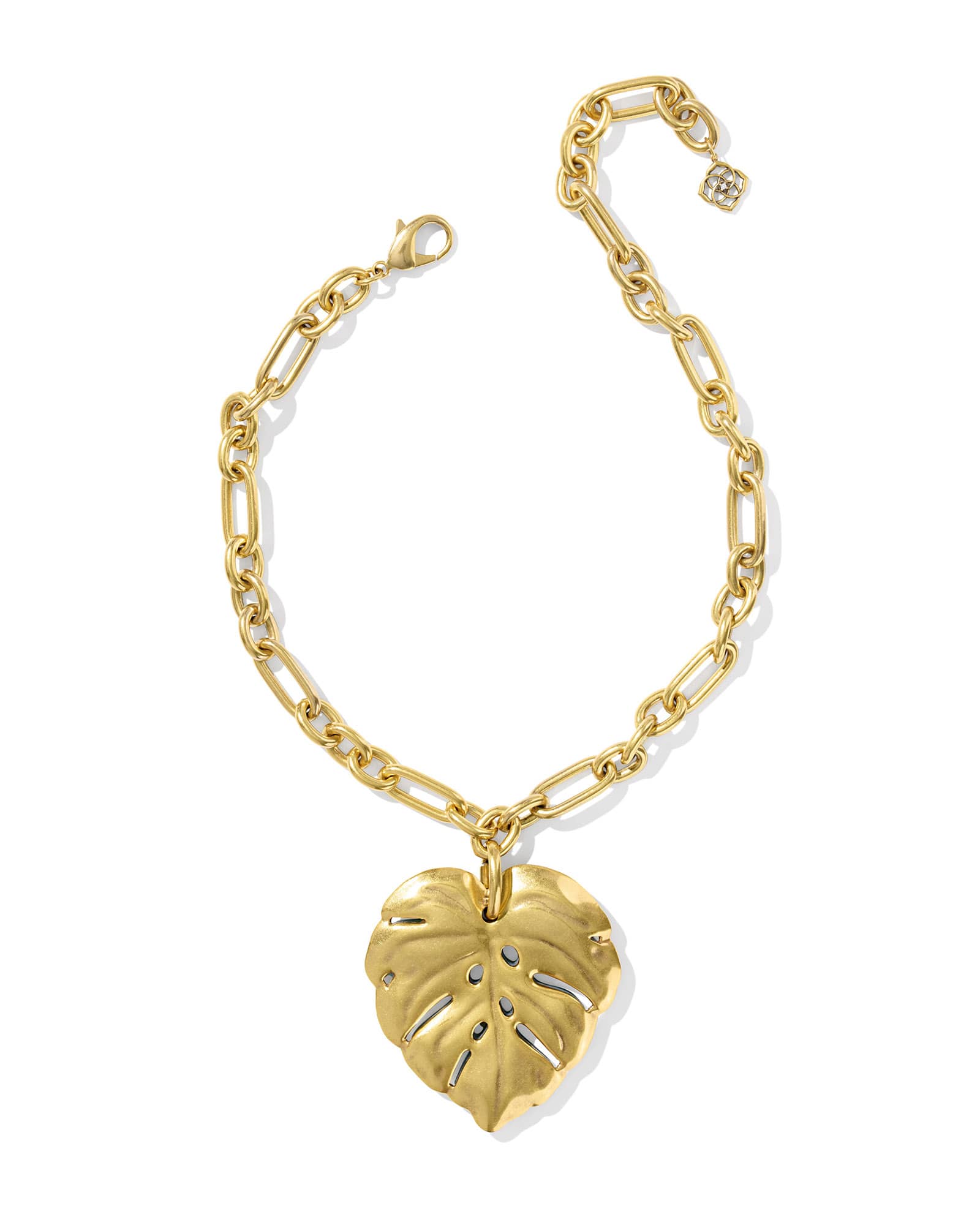
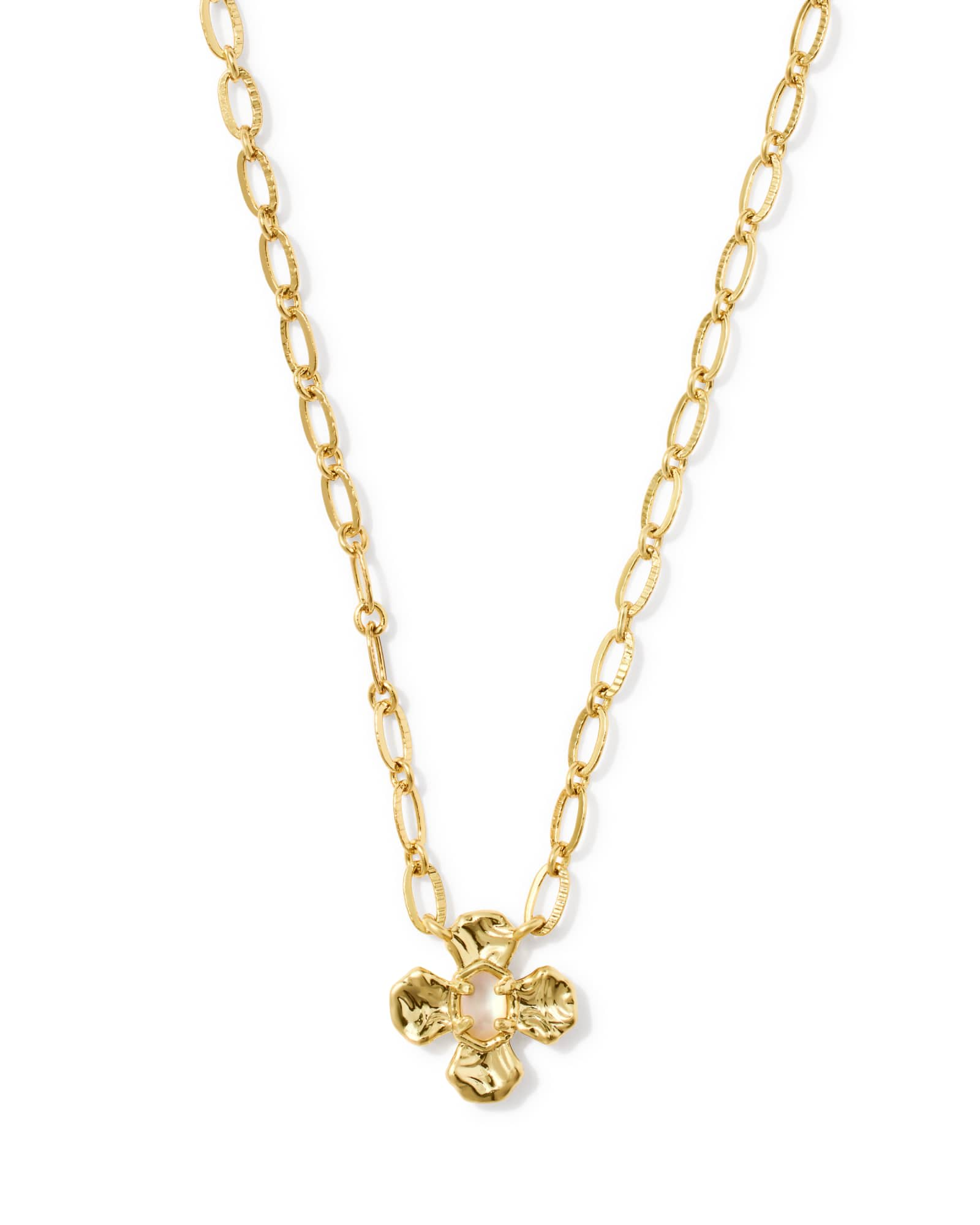
Unique botanical design necklaces translate the shapes of flowers, leaves, vines, and branches into jewelry with a personal, expressive feel. Their appeal comes from the balance between recognizable plant forms and the unexpected details that make a design memorable: a petal-shaped outline, a gently curling silhouette, or an arrangement that feels more like a growing stem than a perfectly symmetrical pattern. Botanical does not necessarily mean literal. A necklace can suggest a blossom through overlapping shapes or recall a leaf through its tapered profile without reproducing every detail. Floral necklaces often emphasize rounded contours and the rhythm of petals, while leaf-inspired necklaces tend toward elongated lines and softly pointed edges. Vine and branch motifs introduce movement, giving a design a flowing quality even when its overall shape is simple. These differences matter when choosing a necklace that feels at home in an everyday wardrobe. Someone drawn to clean, understated clothing might enjoy a single botanical shape as a focal point, while someone who loves expressive accessories may prefer a fuller arrangement with more visual texture. Color, scale, spacing, and silhouette all contribute to the effect; a small motif can feel quietly distinctive, and a larger design can bring definition to an otherwise simple outfit. The botanical theme describes the visual inspiration, not the necklace’s composition, so a flower-shaped pendant should not be assumed to contain flowers, and a leaf motif does not establish its material or construction. Individual descriptions are the place to confirm those details. What connects these nature-inspired necklaces is their ability to bring familiar forms into a different setting. The outline of a favorite garden bloom, the curve of a climbing vine, or the structure of a single leaf can become a detail worn close, offering a connection to nature without requiring an entire outfit built around the theme.
Choosing a botanical necklace starts with how its shape and proportions work with the person wearing it. Consider both the listed necklace length and the dimensions of the decorative element, since a small pendant and a broad floral arrangement can sit very differently at the same length. A necklace that rests near the collarbone gives its motif a clear frame with an open neckline, while a longer style can create a vertical focal point over a simple top. Neck size, pendant proportions, and the cut of a garment all influence where the design actually falls. Measuring a favorite necklace that already sits comfortably is a useful reference, especially when shopping for a gift. If an adjustable length is listed, consider how that range would work with the necklines worn most often rather than assuming every setting will suit every outfit. Scale deserves the same attention. A detailed leaf can become less visible against a busy print, while a more defined floral outline may remain easy to distinguish. For a presentation at work, a restrained botanical pendant can add personality without competing with a patterned blouse. For a celebration, a larger nature-inspired design can anchor a plain dress or an unfussy neckline. Those drawn to a more prominent focal point can explore Botanical Statement Necklaces for a more expressive interpretation of the theme. Layering offers another way to personalize the look, but leaving space around the botanical element helps its outline remain visible. Two necklaces resting at nearly the same point may overlap and obscure the detail that made the design appealing. Materials and construction should also be part of the decision: review the stated composition, closure, and care information, and check any components that matter to known sensitivities. Surface color alone does not identify a metal or finish. For frequent wear, comfort, a manageable scale, and a closure that suits the wearer’s routine can matter as much as the motif itself.
Botanical design necklaces make thoughtful gifts when the inspiration connects to the recipient rather than relying on a presumed meaning for every flower or leaf. A floral motif might recall time spent tending a garden with a parent, an interest in botanical illustration, or the flowers carried at a meaningful celebration. A leaf-inspired shape may appeal to someone who enjoys long walks, plant-filled rooms, or accessories with fluid, organic lines. Those associations can make a birthday, graduation, anniversary, or thank-you gift feel considered without requiring a personalized inscription. The recipient’s habits offer practical clues, too. Someone who wears one necklace almost every day may appreciate a design that fits easily into that routine, while someone who dresses around accessories might enjoy a larger silhouette. Notice whether they favor shorter or longer necklaces, simple outlines or intricate detail, and subtle or noticeable color contrasts. Include the care information with a gift so the recipient can look after its particular materials and finish. For everyday ownership, durability depends on the stated construction and how the necklace is worn and stored, not on the botanical theme alone. More projecting shapes deserve attention around loosely woven scarves, lace, and other fabrics that could catch on an edge. Before exercising, swimming, or using household cleaning products, removing a necklace helps limit unnecessary contact, pulling, and exposure. Follow the care directions for the individual piece rather than assuming a jewelry dip, polishing treatment, or soaking method is suitable. Store necklaces separately to reduce tangling and surface contact, giving wider motifs enough room that their details are not pressed beneath other accessories. An occasional look at the clasp and connecting points can help reveal changes that need attention before the next wear. With a design chosen for its proportions, personal appeal, and place in daily life, a botanical necklace can feel equally considered with a favorite shirt or a celebration outfit. Its lasting appeal lies in that combination of visual interest and personal connection: a familiar shape from the living world, reimagined as a distinctive finishing touch.