Elevate your style with sapphire necklaces for layering, the perfect way to add a touch of elegance and color to any ensemble. Whether you're dressing up for a special occasion or adding a hint of sophistication to your everyday look, these versatile pieces can be mixed and matched for a personalized statement. Explore a range of delicate designs and rich blue hues that effortlessly complement both bold and understated outfits. Discover how sapphire necklaces for layering can transform your jewelry collection with timeless beauty and endless styling possibilities.
- Home /
- Sapphire Necklaces For Layering
Sapphire Necklaces For Layering
Sort by:
0 Item(s)
Filter & Sort
Filter & Sort
0 item(s)
Sort by
This product is not available
Check out the following recommendations.
Sapphire Necklaces For Layering
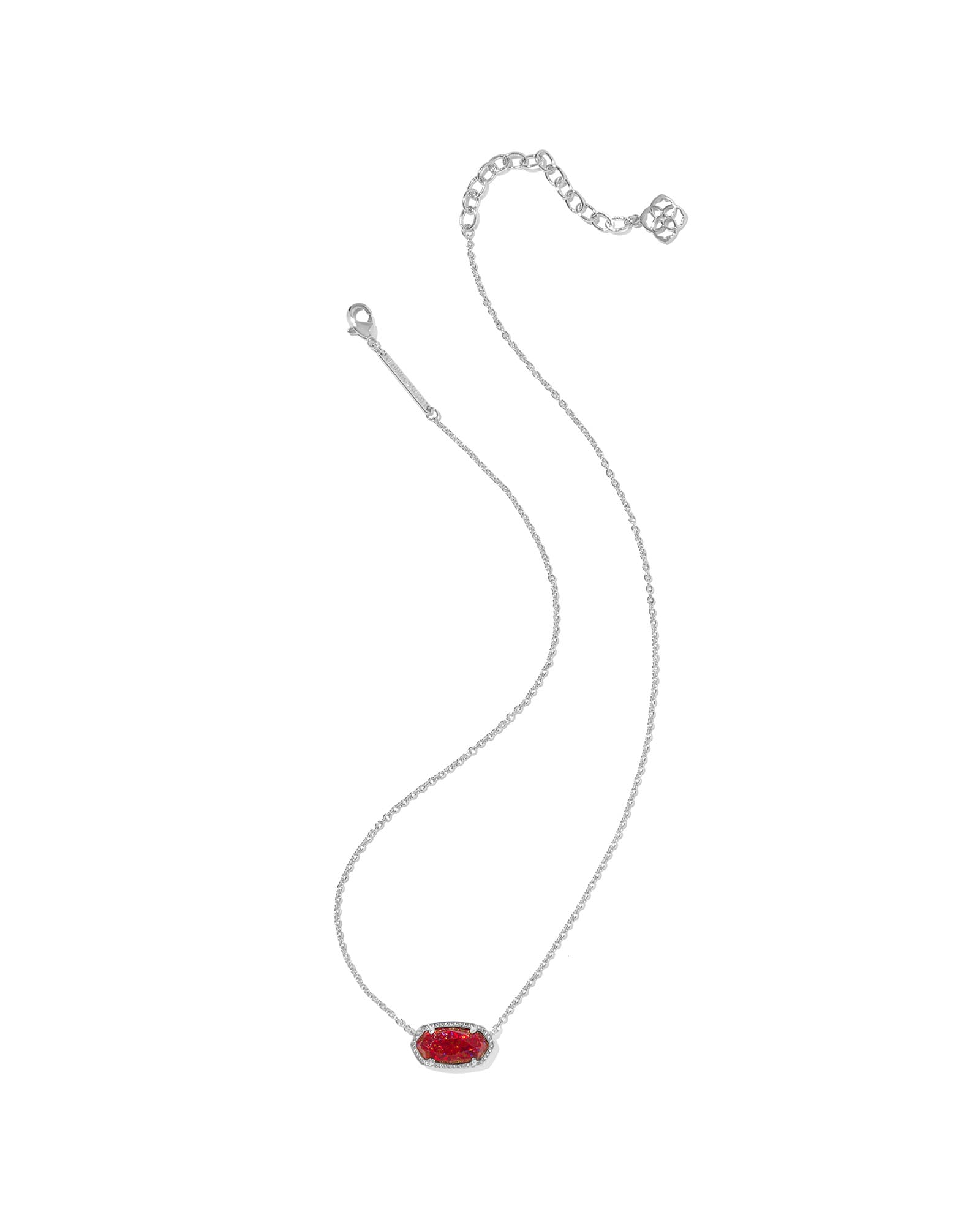
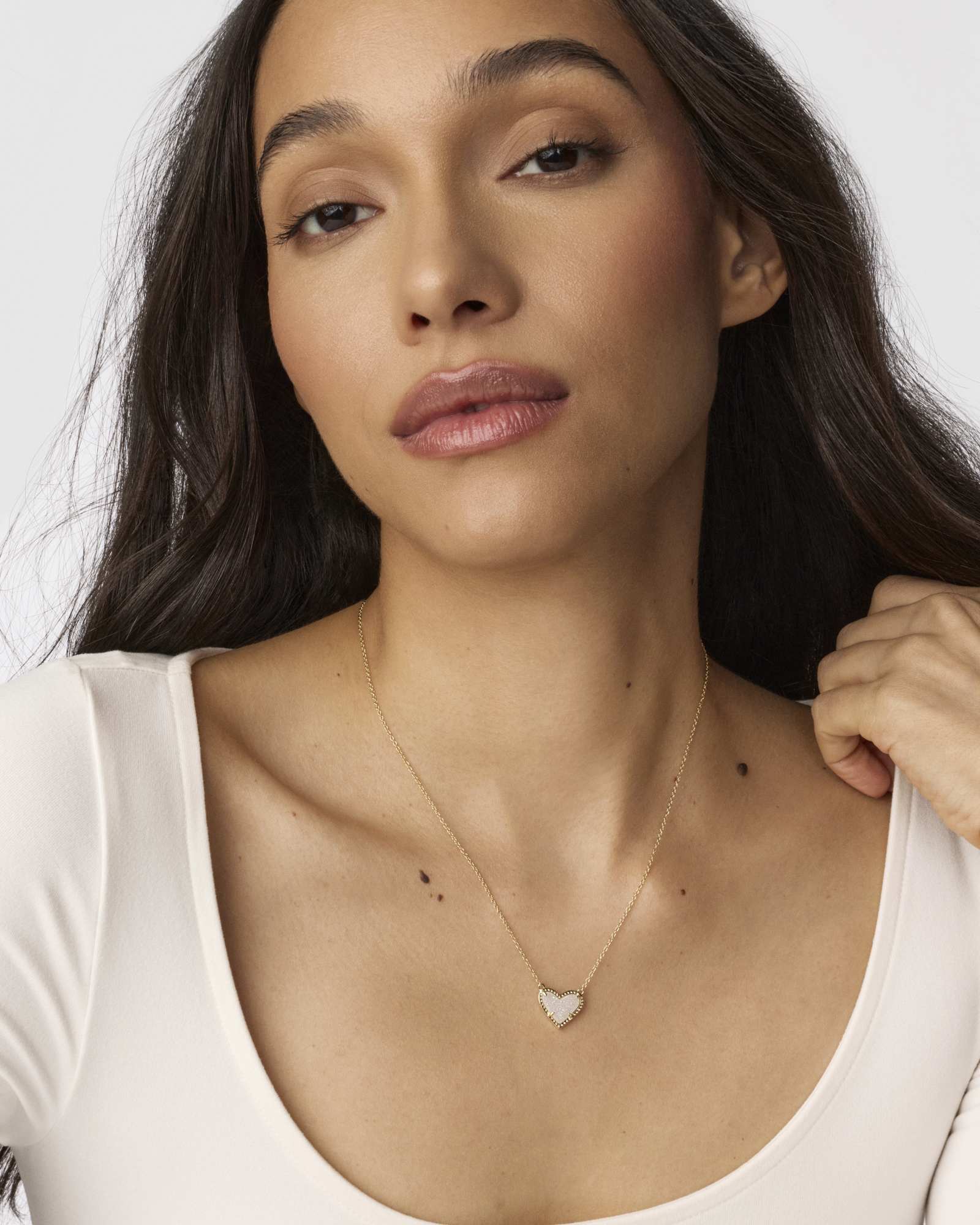
Sapphire necklaces for layering bring a rich blue focal point to a necklace stack, adding color and definition without requiring every piece to make a statement. The appeal is in the contrast: a small accent near the collarbone, a pendant resting a little lower, and an understated chain connecting the look. Together, those elements can feel personal and composed, whether worn with an open-collar shirt, a simple crewneck, or a dress with a gently curved neckline. A successful layered arrangement gives each necklace enough space to be seen. A difference of about one to two inches between chains can be a useful starting point, although pendant size, chain shape, and individual fit all affect the spacing. For example, necklaces measuring 14, 16, and 18 inches may create distinct tiers on one person but sit closer together on another. Those measurements are a styling example rather than a universal formula; the most comfortable arrangement follows the wearer’s proportions and leaves room for each pendant to settle. A shorter necklace can frame the face, while a longer blue accent draws the eye down the center of the outfit. For a quieter effect, two necklaces may be enough, particularly when one has a noticeable pendant. Three layers allow more variation in texture and scale, but the goal is still balance rather than filling every space. Exploring Sapphire Necklaces can help establish the color and silhouette that will anchor the combination. Deep blue creates a distinct contrast against cream, gray, and soft neutral clothing, while pairing it with a navy top creates a more tonal effect. A gold-tone appearance can lend warmth to the arrangement, and a silver-tone appearance can create a cooler visual contrast. Matching finishes keeps the focus on shape and color; mixing finishes can feel equally considered when the same contrast appears elsewhere in the outfit.
The details that make a necklace appealing on its own also influence how comfortably it layers. Chain length is only part of the picture: pendant height, the position of the clasp, and the way a chain moves can change where the necklace rests. A pendant adds a drop below the chain, so two necklaces with different listed lengths may still overlap if the shorter one carries a larger accent. Adjustable length, when specified in the details, can offer flexibility for different necklines and combinations. A close-fitting layer should feel comfortable when sitting, turning the head, or leaning forward, rather than pressing against the neck. Longer layers need enough separation to avoid repeatedly catching on a shorter pendant or disappearing beneath a neckline. For someone who spends much of the day at a desk, a compact arrangement may be easier to wear than several long, swinging layers. For a celebration or evening gathering, a more pronounced drop can give a simple outfit a finished focal point. Texture matters as much as length. A slender chain beside a more defined chain creates contrast without asking both pieces to compete, while repeating similar proportions produces a softer, more uniform look. Material descriptions, dimensions, closure information, and care notes are useful when comparing designs that appear similar in photographs. Metal color alone does not explain a necklace’s construction or how it should be maintained, and stone or accent details deserve the same attention as the chain. Comfort also includes personal sensitivities, making the stated materials especially relevant for anyone who knows certain jewelry components do not suit their skin. Durability depends on the complete design and how it is worn, not simply on the appearance of the focal accent. Connections, clasps, and finer chain sections benefit from gentle handling. Keeping pendants from repeatedly rubbing against neighboring pieces can also help preserve their appearance. Thoughtful spacing makes the combination easier to enjoy while allowing the individual details to remain visible.
A layered sapphire necklace look can become a recognizable part of someone’s everyday style, with the same blue focal point taking on a different mood as the accompanying chains change. Worn alone, it may feel understated; paired with a shorter necklace, it gains structure; placed beneath two lighter layers, it becomes the finishing detail. That flexibility makes the category meaningful for gifting, particularly for someone drawn to blue, someone who enjoys birthstone jewelry, or someone who already wears a favorite chain every day. A birthday, anniversary, graduation, or personal milestone can be marked with a necklace that complements an established jewelry wardrobe rather than replacing it. The most thoughtful choice reflects the recipient’s habits: a smaller silhouette for someone who prefers subtle accents, a more noticeable pendant for someone who enjoys a focal point, or a length that works with the necklines they wear most often. Existing jewelry offers helpful clues, including preferred metal color, usual chain length, and whether the person tends to wear one necklace or several. Care is another part of making layered necklaces easy to enjoy. Following the directions provided for each piece is important because different materials and constructions can require different treatment. Keeping jewelry away from fragrances, lotions, and household cleaners helps reduce unnecessary exposure, while removing necklaces before activities that could pull, snag, or strike them limits avoidable wear. After wearing, separate the layers rather than leaving them twisted together. Use the cleaning method recommended for each necklace, and store pieces individually in a dry organizer or separate compartments so chains do not knot around one another. Fastening clasps before storage can make the next wear less fussy. When dressing, checking each closure and giving the necklaces a moment to settle helps reveal any overlap before heading out. These small habits support a polished look without making jewelry feel complicated. The result is a combination built around expressive color, comfortable proportions, and details that feel connected to the person wearing them.
Bestsellers
Related Pages
Diamond Necklaces For Layering Sapphire Necklaces Red Gemstone Necklaces For Layering Blue Stone Necklaces For Layering Gold Necklaces For Layering Ruby Gold Necklaces For Layering With Pendants Statement Necklaces for Layering Diamond Accent Necklaces for Layering Garnet Pendant Necklaces For Layering Ruby Gold Necklaces For Layering Sets
Top Collections
Unique Necklaces Fine Jewelry Gold Necklaces Engravable Rings Guide: What to Know Before You Customize Jewelry Gifts For Teens Genuine Gold Necklaces 16th Birthday Gifts For Daughter Sterling Silver Cross Necklaces For Women Gemstone Cuff Bracelets Fashionable Pink Necklaces Cute Friendship Necklaces