- Home /
- Oxidized Silver Gold Bracelets
Oxidized Silver Gold Bracelets
Elevate your jewelry collection with the striking contrast of oxidized silver gold bracelets. These unique pieces blend dark, vintage-inspired finishes with radiant golden accents, creating a look that’s both modern and timeless. Perfect for stacking or making a statement on their own, oxidized silver gold bracelets add an effortlessly chic touch to any outfit. Whether you’re dressing up for a special occasion or adding flair to your everyday style, discover the bold beauty of these versatile accessories.
Sort by:
0 Item(s)
Filter & Sort
Filter & Sort
0 item(s)
Sort by
This product is not available
Check out the following recommendations.
Oxidized Silver Gold Bracelets
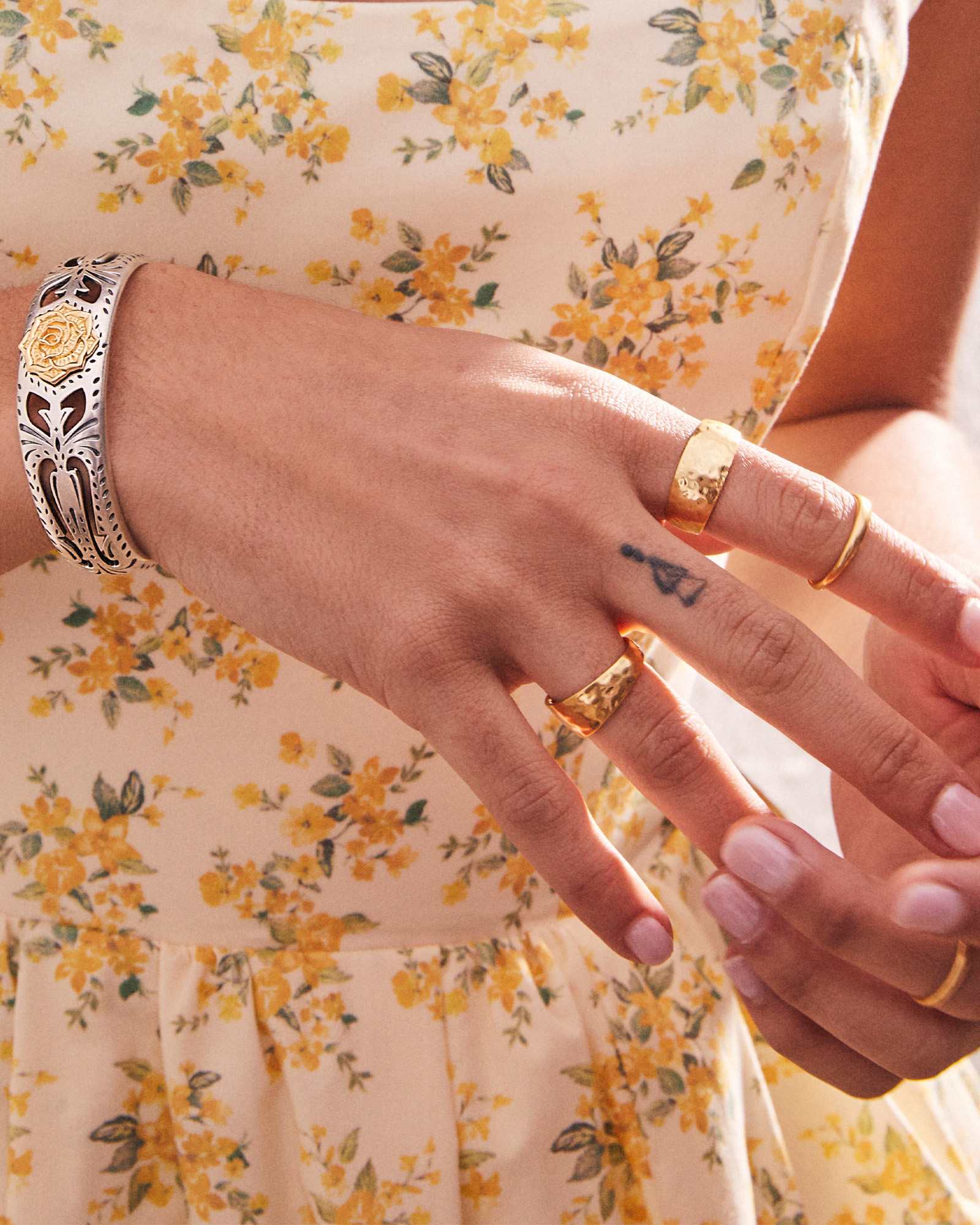
Oxidized silver and gold bracelets pair the depth of darkened silver with the warmth of gold-colored details, creating a mixed-metal look with a strong sense of dimension. Oxidation is the intentional darkening of a silver surface, often used to emphasize texture, recessed areas, and the contours of a design. That contrast can make individual links easier to distinguish and give decorative details a more pronounced outline. Against the darker silver appearance, gold tones create points of light that keep the overall effect balanced rather than uniform. The appeal lies in that interplay: a bracelet can feel understated from a distance, then reveal more detail as the wrist moves. For someone who enjoys both silver and gold colors, this combination offers a comfortable connection between accessories that might otherwise feel separate. It can complement silver-colored earrings, a gold-toned necklace, or a watch without requiring every finish to match exactly. Worn alone, a mixed-metal bracelet gives a simple outfit a considered finishing touch; layered with other bracelets, it can become the element that brings different tones together. A narrow silhouette tends to leave more space around the wrist, while a wider profile draws attention to the bracelet’s shape and surface. Neither approach needs an elaborate outfit to feel expressive. A clean neckline, a rolled sleeve, or a tailored jacket can provide enough visual space for the contrast to stand out. These bracelets suit a range of personal styles, from someone who prefers one distinctive accessory to someone who enjoys building a varied bracelet stack. Their darker details can lend definition to softer clothing shapes, while their warm accents can soften an otherwise monochromatic look. The result is jewelry that feels intentional without demanding a perfectly coordinated set, making oxidized silver and gold bracelets especially appealing to people who dress through small, meaningful details.
Shape and fit influence how that contrast looks and feels throughout the day. A flexible chain follows the wrist’s movement, while a bangle or cuff holds a more defined silhouette; those differences matter when choosing jewelry for a desk, a dinner, or an occasion with plenty of movement. Link scale also changes the impression. Smaller links create a finer visual rhythm, whereas larger links make their outlines and darkened details easier to see. Flat profiles may appeal to someone who prefers a bracelet that sits closer to the wrist, with less projection beneath a sleeve. For a related look centered on link shape, Oxidized Silver Flat Link Bracelets offer another way to explore the appeal of darkened silver. When considering fit, the wrist measurement is only part of the picture. The width of the bracelet, its interior shape, and the amount of movement preferred all affect comfort. A close fit can keep a bracelet from rotating excessively, while a little additional room allows it to move more freely. Too much space may let a heavier design slide toward the hand or catch against nearby objects. A bangle also needs an opening that passes comfortably over the hand, and a cuff should not be assumed to tolerate repeated bending unless its design allows adjustment. Closure style deserves attention as well, particularly for someone who puts on jewelry without assistance. A clasp that is comfortable to handle can make a favorite bracelet easier to incorporate into an everyday routine. For stacking, proportion matters as much as color: one substantial bracelet alongside a slimmer style can create contrast without crowding the wrist. Leaving some breathing room between jewelry and a watch can also reduce contact between surfaces. At a keyboard, a lower-profile bracelet may feel less intrusive; for a celebration, a more prominent silhouette can carry the look on its own. The most satisfying choice balances visual character with the way the wearer actually moves.
Materials, finish, and care are equally important to long-term enjoyment. A gold-colored appearance does not, by itself, establish a bracelet’s metal content or construction, so the stated materials and finish provide a better basis for choosing than color alone. Those details are particularly useful for someone with known metal sensitivities or a preference for a particular type of construction. Oxidized detailing also calls for a different approach from jewelry that is meant to remain uniformly polished. Because the darker surface is part of the intended appearance, aggressive polishing, abrasive tools, or chemical silver dips can diminish the contrast that makes the design distinctive. A soft, dry cloth is a gentler option for removing light surface residue, with any additional cleaning guided by the care directions supplied for the bracelet. Areas with gold-colored detailing may have their own care requirements, making it important to treat the bracelet as a complete design rather than clean each visible color the same way. Removing jewelry before swimming, showering, exercising, or household cleaning helps limit exposure to moisture, products, and unnecessary impact. Allowing lotions and fragrances to dry before putting on a bracelet can also reduce buildup. Separate storage helps keep links and decorative surfaces from rubbing against other jewelry, while fastening a chain bracelet before putting it away can help prevent tangling. Durability depends on construction and wear habits, not simply on how substantial a bracelet looks; repeated friction can affect a decorative surface over time. For gifting, these practical details sit alongside the recipient’s style. Someone who already mixes silver and gold tones may appreciate a bracelet that connects the two, while a person who wears only one accessory at a time may prefer a distinctive shape with enough detail to stand alone. Birthdays, anniversaries, graduations, and personal milestones all offer opportunities for a thoughtfully chosen bracelet. Familiarity with the recipient’s wrist size, preferred profile, and everyday routine makes the gesture feel more personal, turning an appealing mixed-metal look into something comfortable to wear and easy to enjoy.
Bestsellers
Related Pages
Oxidized Silver Bracelets Oxidized Silver Flat Link Bracelets Oxidized Silver Bracelets With Colorful Stones Oxidized Silver Bracelets With Natural Stones Oxidized Silver Fashion Jewelry Oxidized Silver Bar Jewelry Oxidized Silver Band Jewelry Oxidized Sterling Silver Charms For Bracelets Oxidized Silver Accessories Oxidized Silver Fashion Rings
Top Collections
Unique Necklaces Fine Jewelry Gold Necklaces Engravable Rings Guide: What to Know Before You Customize Jewelry Gifts For Teens Genuine Gold Necklaces 16th Birthday Gifts For Daughter Sterling Silver Cross Necklaces For Women Gemstone Cuff Bracelets Fashionable Pink Necklaces Cute Friendship Necklaces