- Home /
- Oversized Turquoise Pendant Necklaces
Oversized Turquoise Pendant Necklaces
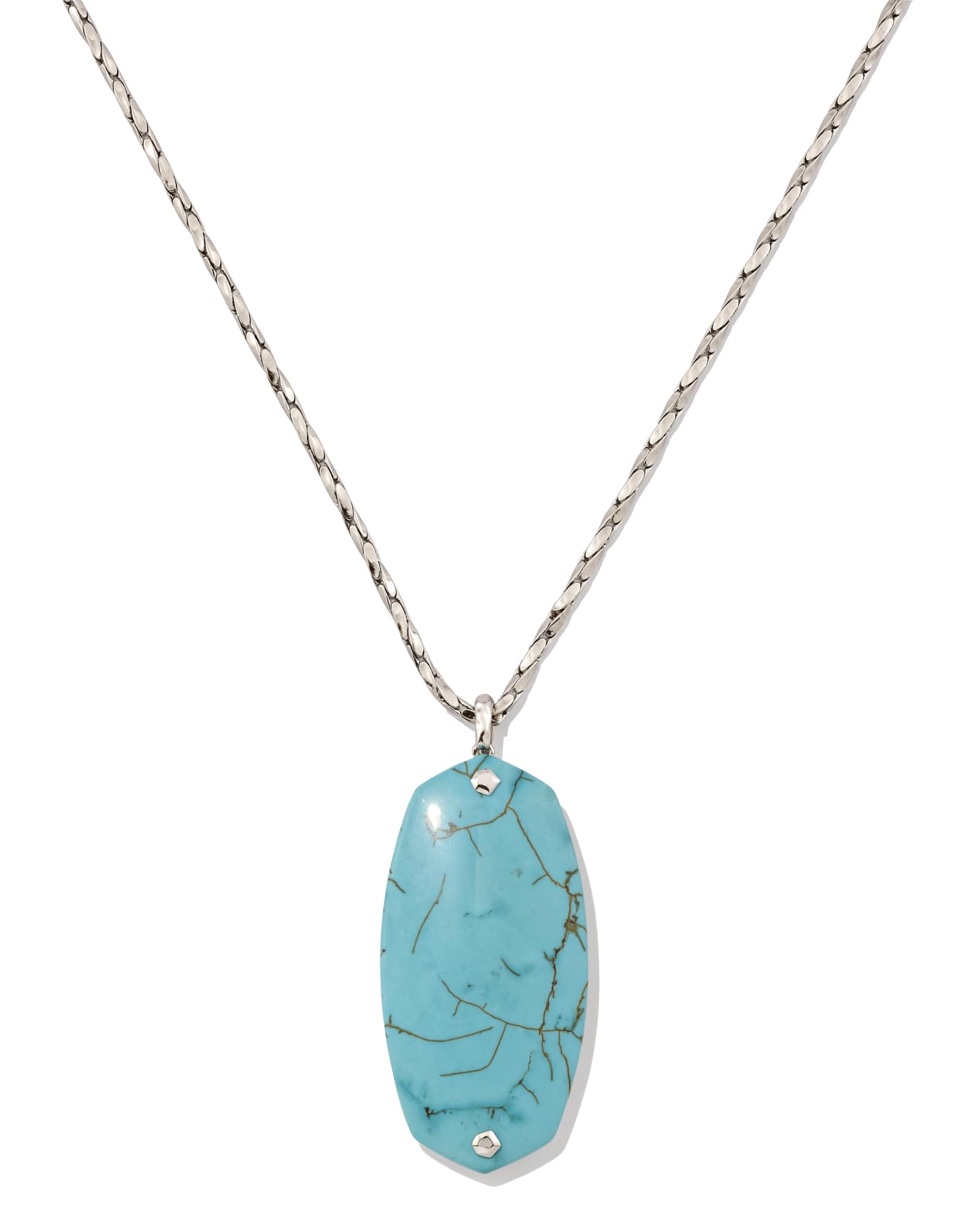
Oversized turquoise pendant necklaces bring a bold, vibrant touch to any jewelry collection. Known for their eye-catching color and statement-making style, these pieces are perfect for elevating both casual and dressy looks. Whether you’re drawn to beachy vibes or seeking a bright, standout accessory, oversized turquoise pendant necklaces offer a unique way to express your personal style all season long. Discover how these necklaces can add a pop of color and effortless charm to your favorite outfits.
Sort by:
0 Item(s)
Filter & Sort
Filter & Sort
0 item(s)
Sort by
This product is not available
Check out the following recommendations.
Oversized Turquoise Pendant Necklaces
Oversized turquoise pendant necklaces bring expressive color and generous proportions to a familiar jewelry silhouette, creating a focal point that can give even a simple outfit a sense of intention. The look centers on a large pendant rather than an all-over arrangement of smaller accents, letting shape, color, and placement lead the design. Turquoise tones introduce a distinctive blue-green note that stands out against white, black, denim, and warm neutrals without requiring an elaborate outfit. An oval silhouette can feel fluid and understated despite its size, while an angular outline creates a more graphic effect. Rounded shapes soften the look of a crisp collar; elongated pendants draw the eye vertically down an open neckline. Oversized is a relative description rather than a fixed measurement, so the pendant’s listed height and width matter more than the category name alone. A piece that looks dramatic on a close-up photograph may sit quite differently when worn, and a wider pendant can have more visual presence than a longer, narrower one. Consider both its outline and how much of the neckline it occupies. For someone who prefers one expressive accessory over several smaller layers, a large turquoise pendant offers a straightforward way to make color central to a look. It can serve as the finishing detail with a plain crewneck, lend personality to a button-front shirt, or bring contrast to a simple dress. The effect does not need to feel formal or overly coordinated: leaving the rest of the outfit relatively quiet allows the necklace to feel considered rather than crowded. Exploring Turquoise Pendant Necklaces can also help put scale in perspective, particularly when comparing a substantial centerpiece with a more restrained pendant silhouette. The most useful distinction is how much emphasis the necklace adds and whether that emphasis suits the wearer’s everyday style.
Fit makes a meaningful difference with a statement pendant because the necklace’s length and the pendant’s dimensions work together. The listed necklace length alone does not describe where the bottom of the pendant will fall; its drop adds to the overall visual length. A shorter necklace may position a large pendant near the collarbone, while a longer one can place it over the front of a shirt or dress. Neither placement is inherently better, but each interacts differently with necklines and proportions. With a V-neck, a pendant can sit within the opening, leaving a little space between the jewelry and the fabric. Over a high neckline, a longer placement can give the pendant a clean background, provided it does not repeatedly catch on textured fabric or compete with prominent buttons. A useful way to picture the proportions is to compare the listed measurements with a necklace already worn comfortably, then cut a small paper outline to the pendant’s approximate size. This makes an oversized silhouette easier to judge than a photograph alone. Weight deserves separate attention: a large-looking pendant is not necessarily heavy, and appearance cannot establish how comfortable it will feel through a full day. Look for weight information when provided, along with closure details and any stated length adjustment. Someone who spends hours at a desk may prefer a position that keeps the pendant from tapping against the work surface when leaning forward. Materials are another important consideration, especially for jewelry worn against bare skin. Turquoise color alone does not establish a stone’s composition, and the appearance of a metal finish does not establish the underlying metal or construction. The individual description should identify those details; color is best treated as a styling cue rather than proof of material. For wearers with sensitivities, reviewing the stated components is more helpful than making assumptions from photographs. These practical details help distinguish a necklace chosen mainly for occasional outfit-making moments from one that feels comfortable enough to reach for regularly.
Styling oversized turquoise pendant necklaces is often most effective when the surrounding details give the centerpiece room to stand out. Small earrings can echo the necklace’s outline without competing with it, while an uncluttered neckline keeps attention on the pendant’s shape. Matching every accessory is unnecessary; a consistent sense of proportion can feel more relaxed than a fully coordinated set. A turquoise-colored pendant against a black dress creates clear contrast, while the same color worn with a cream blouse and jeans can feel easy and personal. If layering is part of the wearer’s style, a shorter, finer necklace can add dimension above the pendant, with enough separation to reduce overlap. Trying the combination while sitting and moving is useful, since necklaces that appear neatly spaced in a mirror may shift together during wear. As a gift, this category is especially suited to someone who enjoys expressive accessories, frequently wears blue-green tones, or builds outfits around one standout detail. Familiarity with the recipient’s preferred necklace length and tolerance for larger jewelry matters more than choosing the biggest pendant. A favorite neckline or frequently worn pair of earrings can offer a thoughtful starting point. Care and durability also deserve consideration before making a necklace part of a regular rotation. A generous pendant has more opportunity to bump against a tabletop, catch on clothing, or rub against other jewelry, so mindful wear helps protect its appearance. Follow the care directions supplied for the specific materials rather than assuming that a cleaner suitable for one necklace is appropriate for another. Avoid experimenting with soaking, polishing products, or chemical cleaners when the material and finish are unclear. Removing the necklace before bathing, swimming, exercise, and household cleaning reduces unnecessary exposure to moisture, products, and impact. Store it separately so the pendant does not rub against other pieces and the necklace does not become tangled or kinked. With attention to proportion, comfort, and care, an oversized turquoise pendant can become a distinctive part of a personal jewelry wardrobe—an expressive touch that makes familiar outfits feel thoughtfully finished.
Bestsellers
Related Pages
Gold Turquoise Pendant Necklaces Turquoise Pendant Necklaces Unique Turquoise Stone Pendant Necklaces Designer Turquoise Statement Necklaces Statement Turquoise Pendant Necklaces Long Turquoise Statement Necklaces Unique Turquoise Necklaces Summer Turquoise Statement Necklaces Large Pendant Necklaces Chunky Turquoise Strand Necklaces
Top Collections
Unique Necklaces Fine Jewelry Gold Necklaces Engravable Rings Guide: What to Know Before You Customize Jewelry Gifts For Teens Genuine Gold Necklaces 16th Birthday Gifts For Daughter Sterling Silver Cross Necklaces For Women Gemstone Cuff Bracelets Fashionable Pink Necklaces Cute Friendship Necklaces