- Home /
- Oval Shaped Stone Rings
Oval Shaped Stone Rings
Sort by:
0 Item(s)
Filter & Sort
Filter & Sort
Sort by
This product is not available
Check out the following recommendations.
FAQs
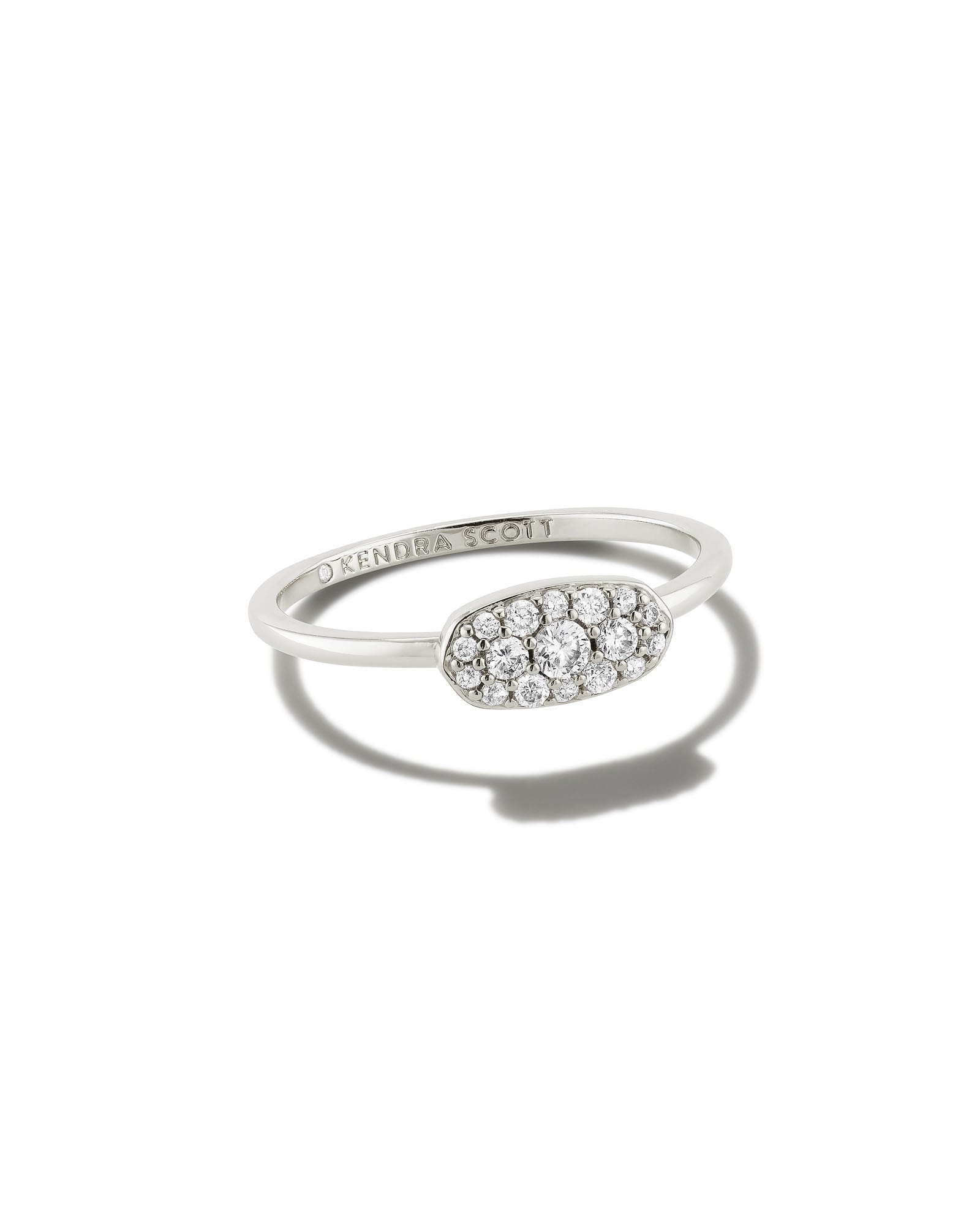
Oval shaped stone rings are known for their elegant, elongated silhouette that flatters the finger and maximizes the stone's brilliance. The oval cut combines the sparkle of a round stone with a distinctive, modern shape, making it a popular choice for those seeking something both classic and contemporary.
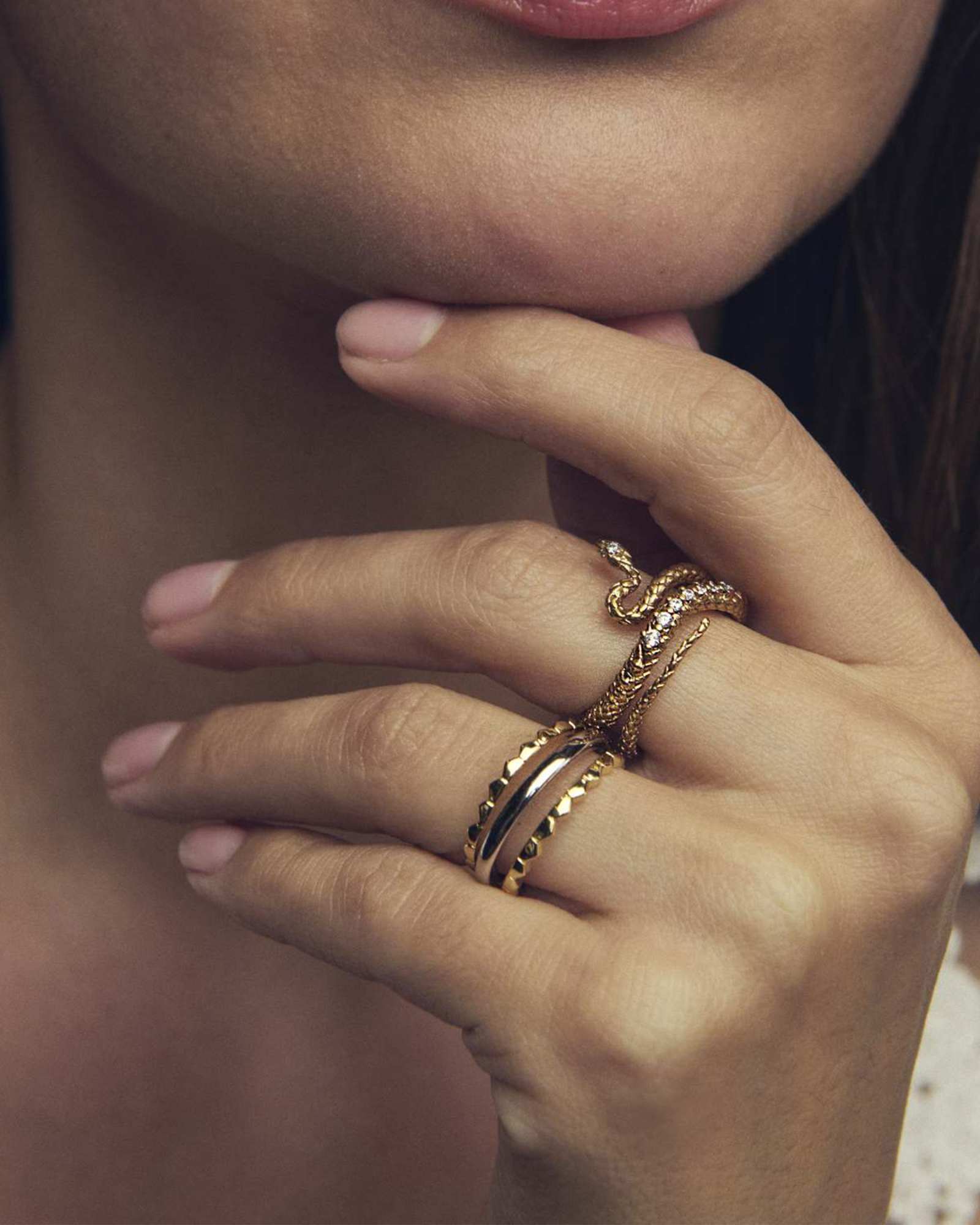
Oval shaped stone rings pair beautifully with both minimalist and statement pieces. For a cohesive look, try stacking them with slim bands or wearing them alongside matching oval-shaped earrings or necklaces. Mixing metals and textures can also add visual interest to your ensemble.
Yes, oval shaped stone rings are versatile enough for daily wear. Their smooth edges and balanced design make them comfortable on the finger, while their timeless appeal ensures they complement both casual and formal outfits.
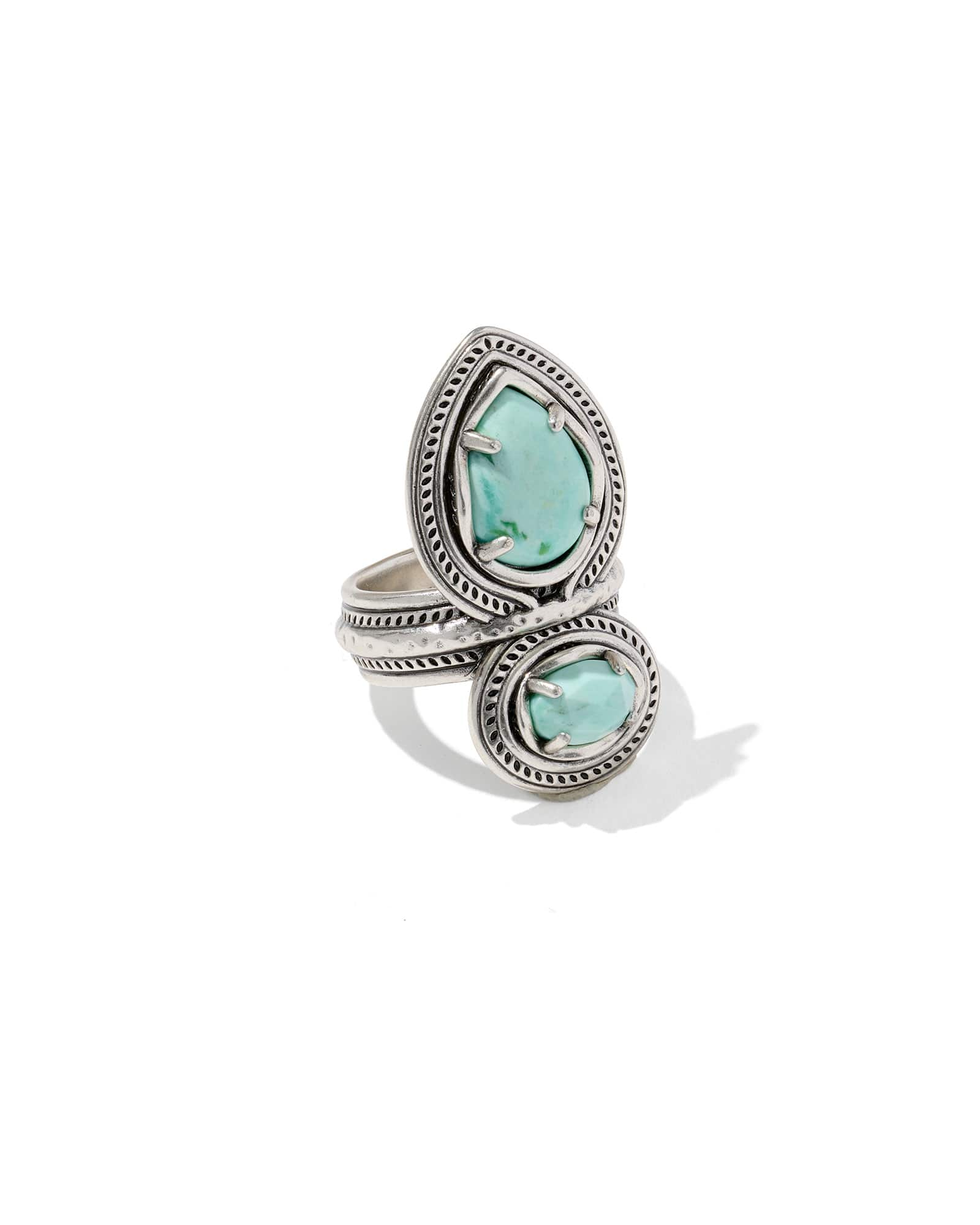
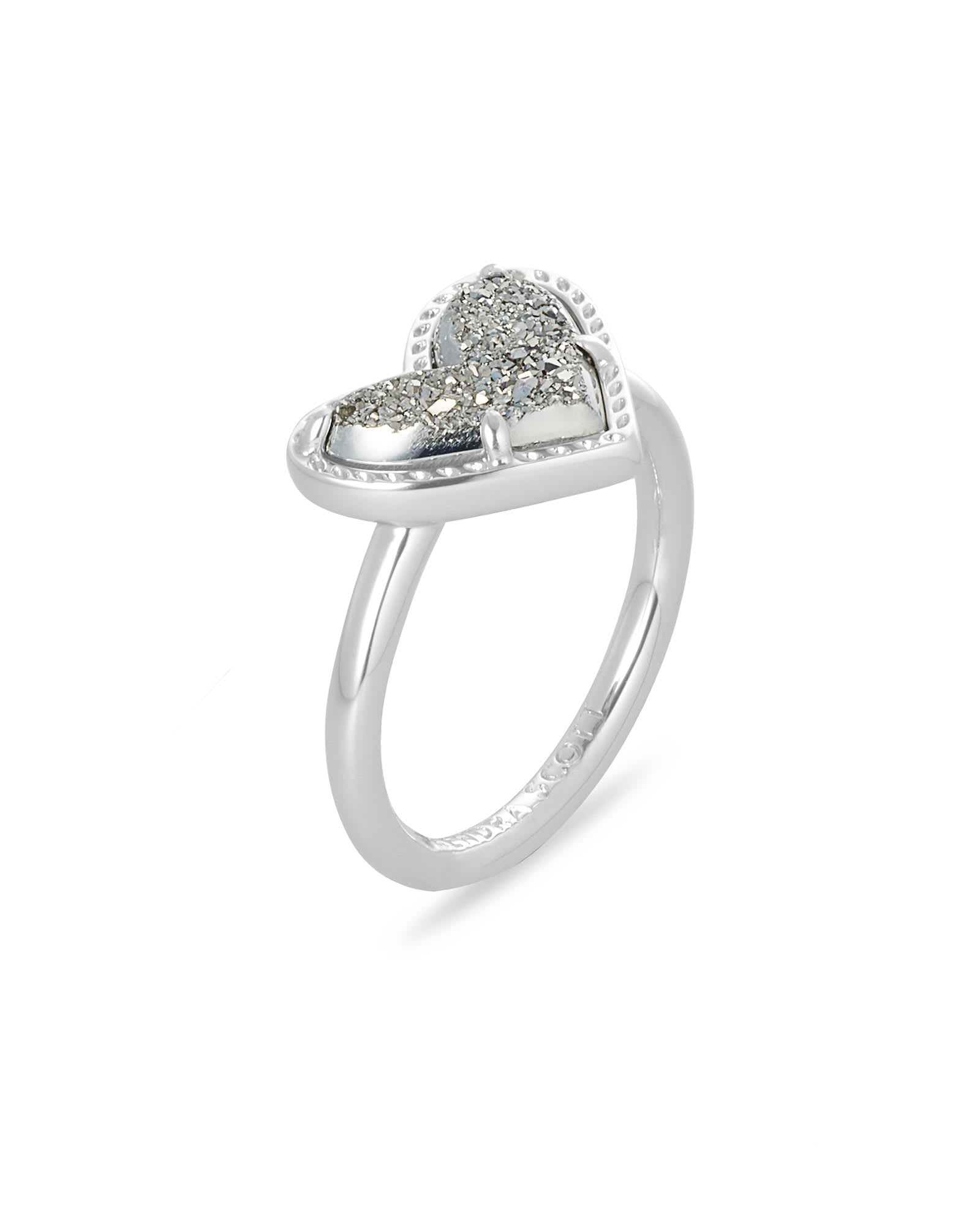
Oval shaped rings often showcase a variety of stones such as gemstones like amethyst, turquoise, opal, and mother-of-pearl, as well as classic options like diamonds or cubic zirconia. Each stone brings its own unique color and character to the ring.
Many jewelers offer personalization options for oval shaped stone rings, including custom engravings on the band or selecting specific stones that hold personal significance. This makes them a thoughtful gift for special occasions or milestones.
The experience of wearing an oval stone ring depends on its dimensions, setting, and band as much as its appearance in a photograph. Stone length and width help establish how much of the finger the design will cover, while the height of the setting affects how it sits against sleeves, gloves, and neighboring fingers. A lower profile may be easier to accommodate during a day spent typing or reaching into pockets; a more elevated setting deserves extra attention around fabrics that can catch. When comparing rings, the listed measurements offer a clearer sense of scale than a close-up image alone. Band width also influences the feel of a size, so a familiar ring size is a starting point rather than a guarantee that every design will fit identically. A comfortable fit should feel secure without pinching, allow normal movement, and pass over the knuckle with some resistance rather than sliding off freely. For a ring intended for a particular finger, measuring that finger is more reliable than borrowing the size worn on another. Materials deserve the same thoughtful attention. The band’s stated composition, the stone description, and any listed plating or surface finish provide a useful basis for comparison; color alone cannot establish what either the band or stone is made from. Those details also inform care and durability, since resistance to scratching, impact, moisture, and cleaning products varies by material and construction. A substantial-looking stone is not necessarily more resistant to damage, and a delicate-looking band should not be judged by appearance alone. Intended use helps bring these considerations together. A ring chosen for frequent wear may need to work comfortably with everyday routines, while one reserved for dinners and celebrations might place greater emphasis on scale or decorative detail. Both can feel personal and polished when the design suits the wearer rather than asking the wearer to work around it.
Oval stone rings also lend themselves to meaningful gifting because their character can be tailored to someone’s existing style without relying on an elaborate symbolic explanation. For a birthday, graduation, anniversary, or personal milestone, a familiar color or a well-chosen proportion can make the gesture feel attentive. Someone who usually wears one understated accessory may appreciate a smaller focal point, while a person drawn to expressive combinations may enjoy a more prominent oval shape. Looking at the rings already worn can reveal practical preferences, too: slim or substantial bands, close-fitting or raised profiles, and a single statement piece or several rings worn together. If a gift is intended for a specific finger, confirming the size beforehand helps preserve the pleasure of the moment; resizing or adjustability should never be assumed unless the design information confirms it. Once a ring becomes part of a regular rotation, considerate care helps protect its appearance. Follow the care instructions supplied for the particular materials, and avoid treating every stone or finish as though it responds to cleaning in the same way. Remove rings before activities that expose them to repeated knocks, abrasive surfaces, or household cleaning chemicals. Keep lotions, fragrances, and other personal-care products away from the ring where possible, and let those products dry before putting jewelry on. When cleaning is needed, use only the method recommended for that piece rather than assuming soaking, polishing compounds, or mechanical cleaners are suitable. Separate storage helps keep rings from rubbing against one another, especially when raised settings or decorative edges could make contact. Periodic attention to a loose-feeling stone, a catching edge, or a change in fit can also help identify when professional assessment is appropriate. With a comfortable proportion, clearly understood materials, and care matched to its construction, an oval shaped stone ring can become an expressive part of everyday dressing or a thoughtful accent saved for meaningful moments.