Multi Strand Diamond Necklaces For Layering
Multi strand diamond necklaces for layering bring a touch of elegance and versatility to any jewelry collection. Effortlessly elevate your style by pairing these dazzling pieces with your favorite outfits, whether you’re dressing up for a special occasion or adding subtle sparkle to your everyday look. Perfect for creating dimension and interest, multi strand diamond necklaces for layering let you express your unique style with every combination. Discover how these eye-catching designs can transform your neckline with radiant brilliance and timeless sophistication.
Read More

Kendra Scott Kendra Scott 0.19 ct Star Cluster 14k White Gold Multi Strand Necklace in White Diamond | Diamonds
A dazzling multi strand necklace in 14k white gold with white diamond accents.
$1100 $1100
SALE

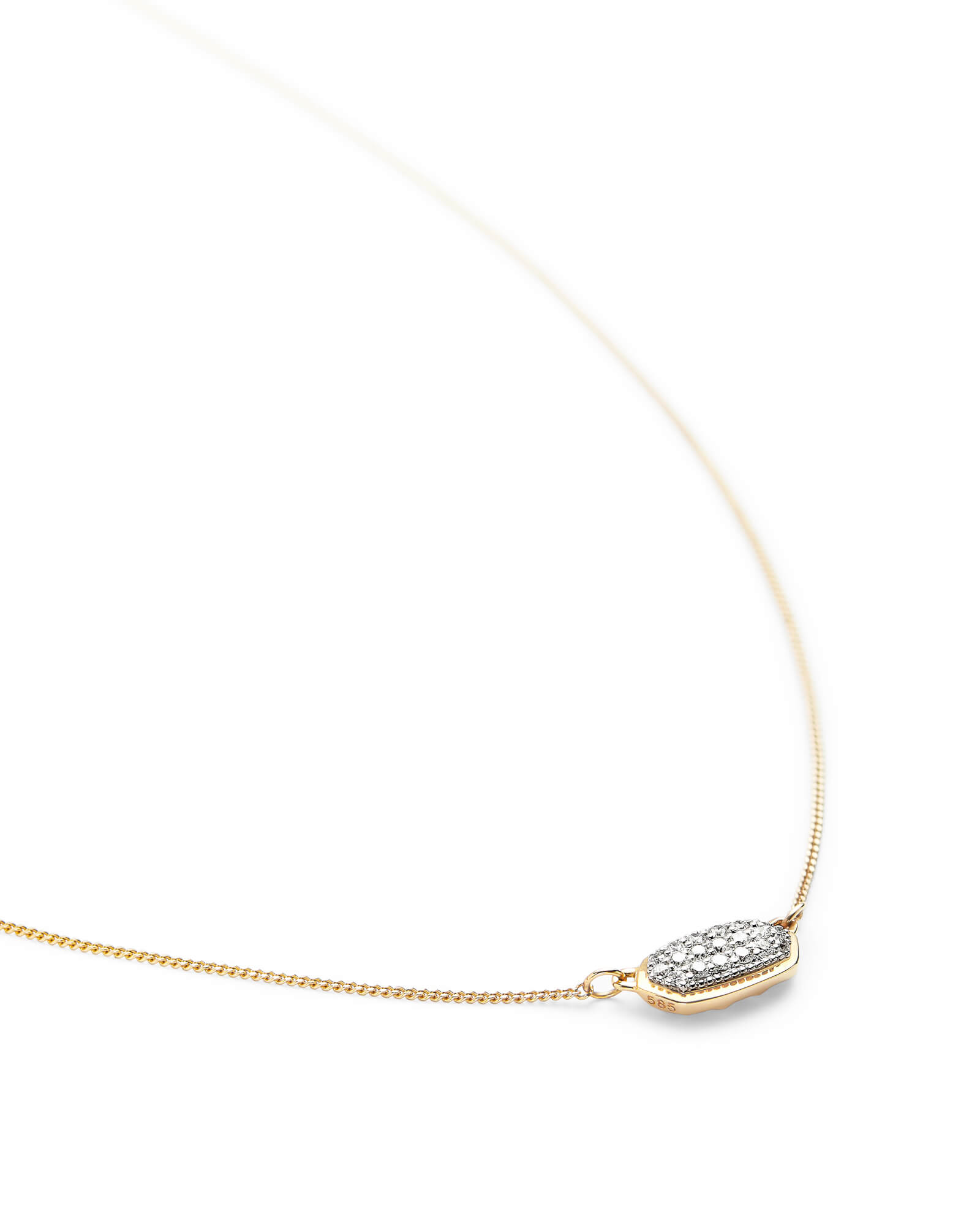
Kendra Scott Kendra Scott Abbie 14k Yellow Gold Pave Strand Necklace | Diamonds
A stunning 14k yellow gold strand necklace adorned with pave diamonds for timeless elegance.
$1200 $1200
SALE

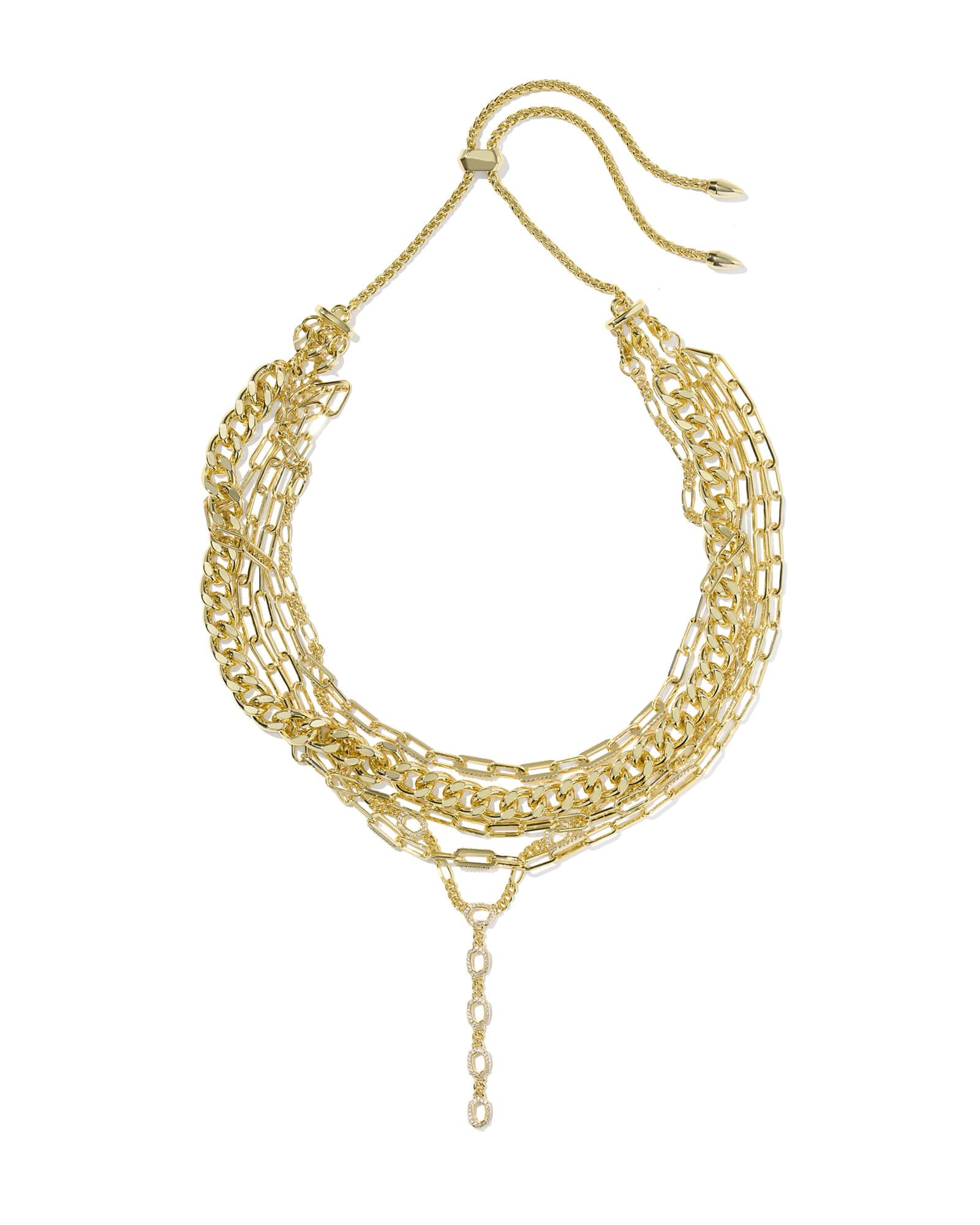
Kendra Scott Kendra Scott Lyla Silver Multi Strand Necklace | Cubic Zirconia/Metal Rhodium
A rhodium-plated multi-strand necklace featuring contrasting chains and a refined white cubic zirconia accent.
$60 $60
SALE
Multi Strand Diamond Necklaces For Layering
Multi-strand diamond necklaces for layering bring dimension to a jewelry look through two or more strands arranged at different lengths. The appeal is in the balance: a shorter strand frames the neckline, while a longer strand draws the eye downward and gives diamond accents room to stand out. Unlike a single necklace worn alone, a multi-strand silhouette creates depth through the relationship between its layers. Close spacing can feel understated and cohesive, while a more noticeable difference in length gives each strand its own presence. Designs that connect multiple strands to one closure offer a coordinated arrangement; necklaces worn separately allow more freedom to change the combination. A shared clasp does not eliminate tangling, but it can simplify fastening and keep the intended layers together. For someone who likes a finished look without choosing a new combination every morning, that distinction can make a difference. Diamond placement also shapes the overall effect. Accents positioned near the collarbone bring attention toward the face, while a lower focal point creates a longer visual line. The most appealing arrangement is not necessarily the one with the greatest number of layers. It is the one that lets the details remain visible without making the neckline feel crowded. Against a simple crewneck, layered strands can become the central detail of an outfit. Inside an open collar, they create a more intimate frame, with each strand tracing a different curve. A V-neck offers space for a descending arrangement, while a wider neckline can showcase layers that sit closer together. These necklaces suit a range of personal styles, from someone whose jewelry rarely extends beyond earrings and a favorite necklace to someone who enjoys building a more expressive combination. Their defining quality is a sense of movement and proportion, with diamond sparkle adding interest rather than requiring an elaborate outfit.
Length and fit determine whether a layered necklace feels effortless throughout the day. Listed measurements provide a starting point, but the same length can sit differently depending on neck size, posture, clothing, and the space between strands. The shortest layer establishes the upper edge of the arrangement, so its position matters as much as the length of the lowest strand. A necklace intended to rest near the collarbone should feel comfortable when sitting, turning the head, or leaning forward—not just when standing in front of a mirror. Where an adjustable closure is specified, the extra length may help position the necklace around different necklines, though the amount of adjustment depends on the design. For separately worn necklaces, distinct lengths generally make the individual layers easier to see; necklaces that fall at almost the same point are more likely to overlap visually. Chain scale matters, too. Fine-looking strands create a different balance from a more substantial chain, and a larger focal detail needs enough space to remain visible beneath the strand above it. Mixing silhouettes can add contrast without requiring additional layers. A curved upper strand paired with a lower central accent, for example, creates definition through shape rather than volume. For a simpler layered direction, Two Strand Gold Necklaces for Layering offers a related style to consider alongside diamond-focused arrangements. Color is another part of the overall composition: warmer or cooler metallic tones can echo frequently worn earrings, rings, or watch details, while contrasting tones can make a combination feel more personal. Color alone, however, does not identify a necklace’s metal composition or finish. Those details, along with any stated stone information and closure type, deserve attention when comparing designs, particularly for someone with metal sensitivities. A visually delicate necklace may still have several points of contact at the neck, so comfort, fastening preferences, and the way the strands settle are useful considerations alongside appearance.
Multi-strand diamond necklaces can mark a meaningful occasion without feeling reserved for that occasion alone. A graduation, anniversary, birthday, or personal milestone offers a thoughtful reason to choose a piece that becomes part of someone’s everyday style. For gifting, the recipient’s usual neckline and jewelry habits often provide better direction than the formality of the celebration. Someone who wears a necklace every day may appreciate a coordinated layered silhouette that feels familiar but adds dimension. Someone who prefers jewelry for dinners and special gatherings may favor a more noticeable arrangement with space between the strands. Observing whether the recipient reaches for shorter necklaces, longer pendants, or uncluttered shapes can help narrow the choice without needing to replicate an existing piece. Ease of care is worth considering as well, especially for jewelry intended for frequent wear. The appropriate cleaning method depends on the necklace’s stated materials, finishes, and stone details; diamonds alone do not determine what is suitable for the entire piece. Following the supplied care information helps protect the chain, closure, and any other components as well as the stones. A soft cloth can help with gentle surface care when permitted by those instructions, while harsh cleaners and vigorous scrubbing are best avoided unless expressly recommended. Removing a necklace before exercise, swimming, or tasks that could catch a strand reduces unnecessary exposure and pulling. Applying fragrance and lotions before putting jewelry on also helps limit residue. Between wears, storing the necklace so its strands remain separated can make the next wear easier; tossing several chains together in a small dish invites knots and friction. Even a connected multi-strand design benefits from being laid out carefully rather than bundled. If strands become crossed, gently separating them before fastening is preferable to pulling them apart while worn. These practical details support the pleasure of the design: distinct layers, comfortable movement, and diamond accents that remain the focus. Chosen with the wearer’s habits in mind, a layered necklace can feel equally at home with a simple blouse, a favorite dress, or an outfit assembled around a meaningful piece of jewelry.
Read More