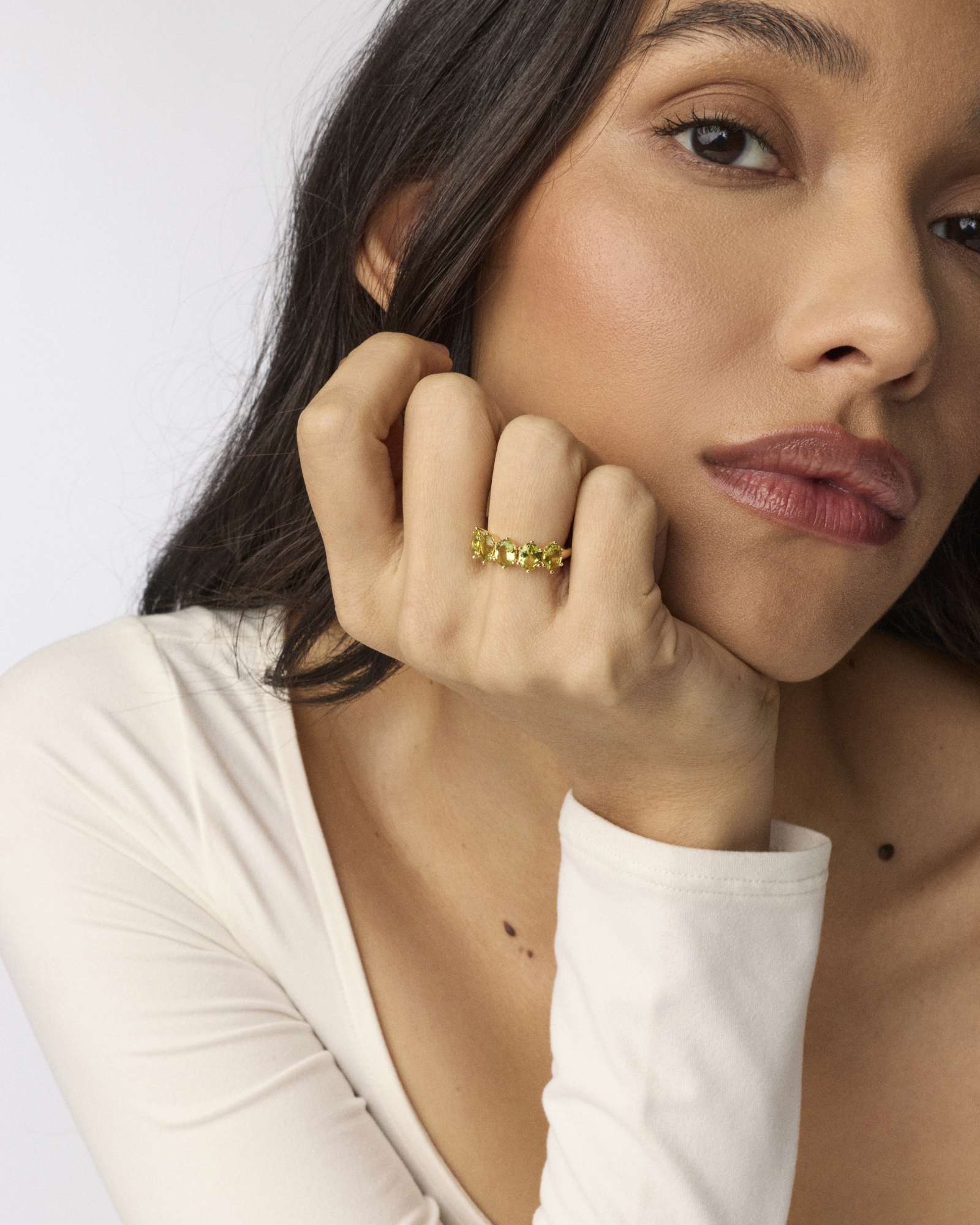
Elevate your everyday style with light gemstone rings that capture the essence of effortless elegance. Perfect for stacking or making a subtle statement, these delicate pieces add a touch of luminous color to any look. Whether you’re dressing up for a special occasion or adding a hint of sparkle to your daily ensemble, light gemstone rings bring a fresh and airy charm that complements every outfit. Discover how these radiant accents can brighten your jewelry collection and reflect your unique sense of style.
- Home /
- Light Gemstone Rings
Light Gemstone Rings
Sort by:
0 Item(s)
Filter & Sort
Filter & Sort
0 item(s)
Sort by
This product is not available
Check out the following recommendations.
Light Gemstone Rings
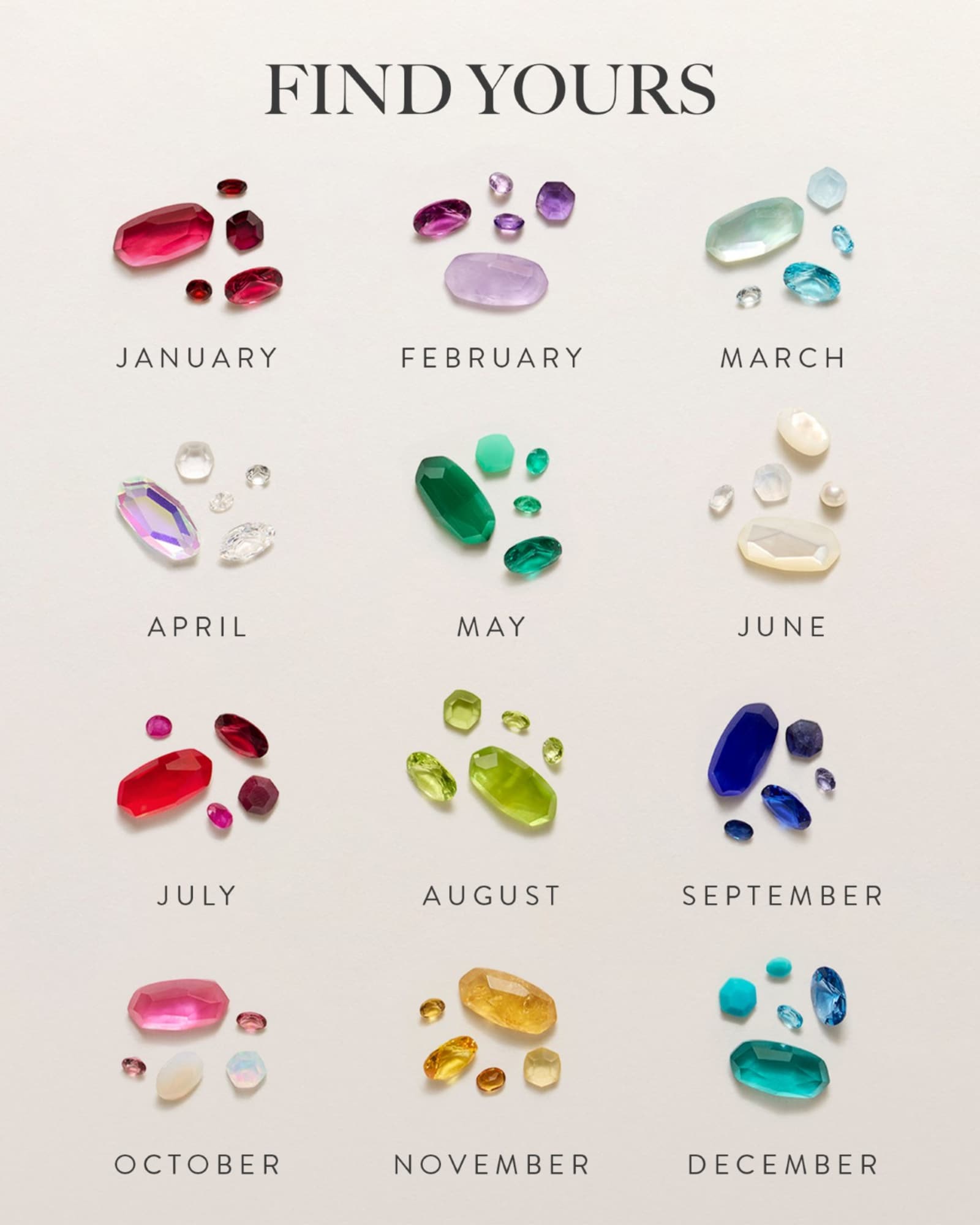
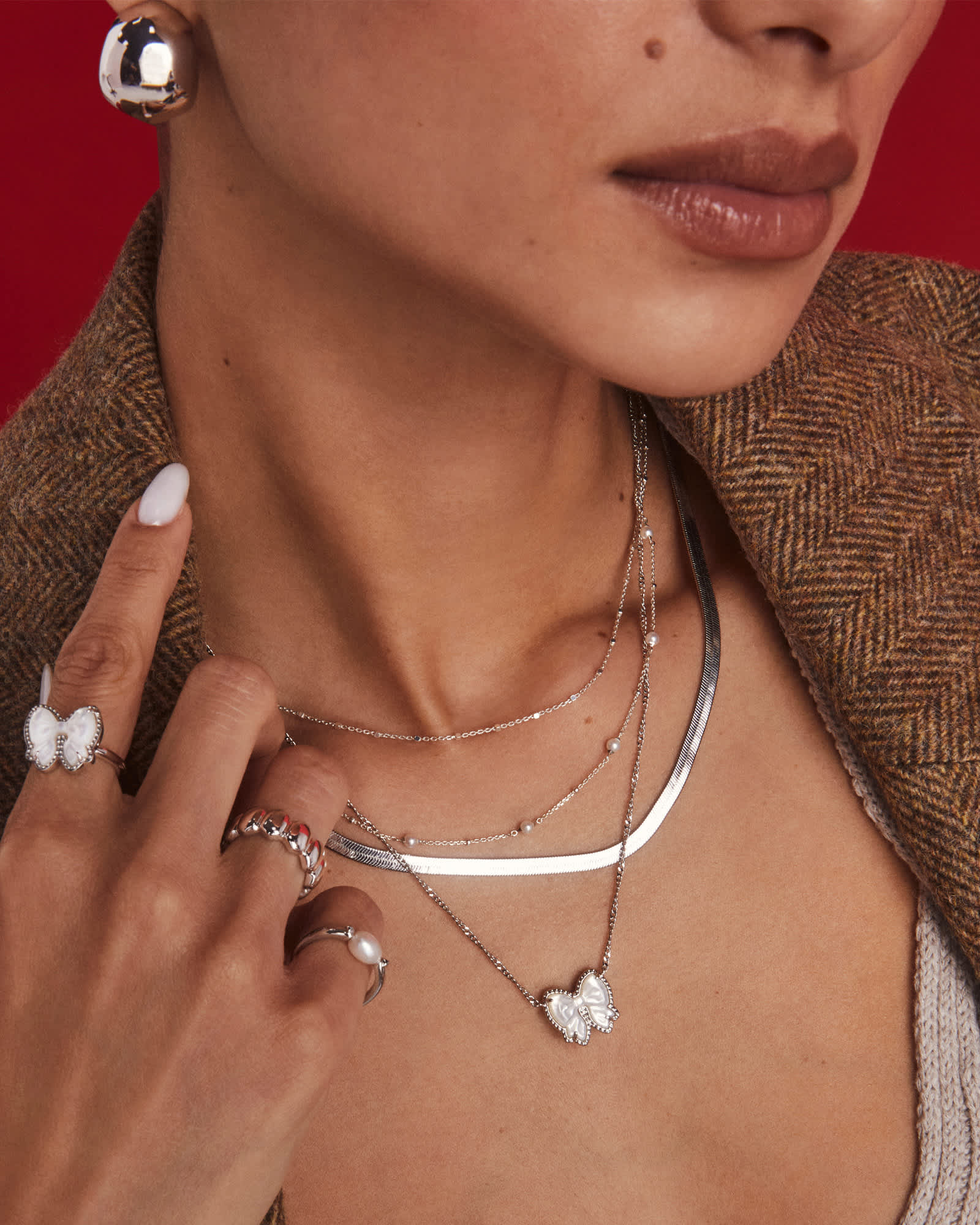
Light gemstone rings are defined by a soft color palette and a luminous appearance, with pale, muted, or light-toned stones creating a gentle focal point on the hand. Here, “light” describes the visual effect rather than guaranteeing a particular weight, stone type, or construction. Think of the way a blush accent softens a tailored outfit, or how a pale blue detail stands out against a simple white shirt: these rings offer color without requiring an entire look to revolve around it. Their appeal lies in that balance of expression and versatility. A subtle stone can feel polished with workwear, relaxed beside a favorite pair of jeans, or thoughtfully dressed up for a celebration. Color is only part of the overall impression, though. The outline of the stone, the proportions of the band, and the height of the setting all influence whether a ring looks delicate, sculptural, understated, or eye-catching. A rounded outline can lend softness, while a more angular shape can introduce definition and contrast. A larger face may showcase the color more prominently, while a smaller one can serve as a quiet accent among other jewelry. When comparing light-colored gemstone rings, look at the full design rather than the stone alone: the surrounding metal tone, visible setting details, and space around the center can change how the color reads. Photographs taken from different angles are helpful for understanding those relationships, especially when a pale shade appears subtle in one image and more distinct in another. The written description is the best place to confirm the stone name and any stated finish or treatment. A color resemblance does not make two stones the same material, and a luminous photograph does not establish how a stone was formed. Keeping appearance and material information separate makes it easier to choose a ring for both its look and its suitability for the way it will be worn.
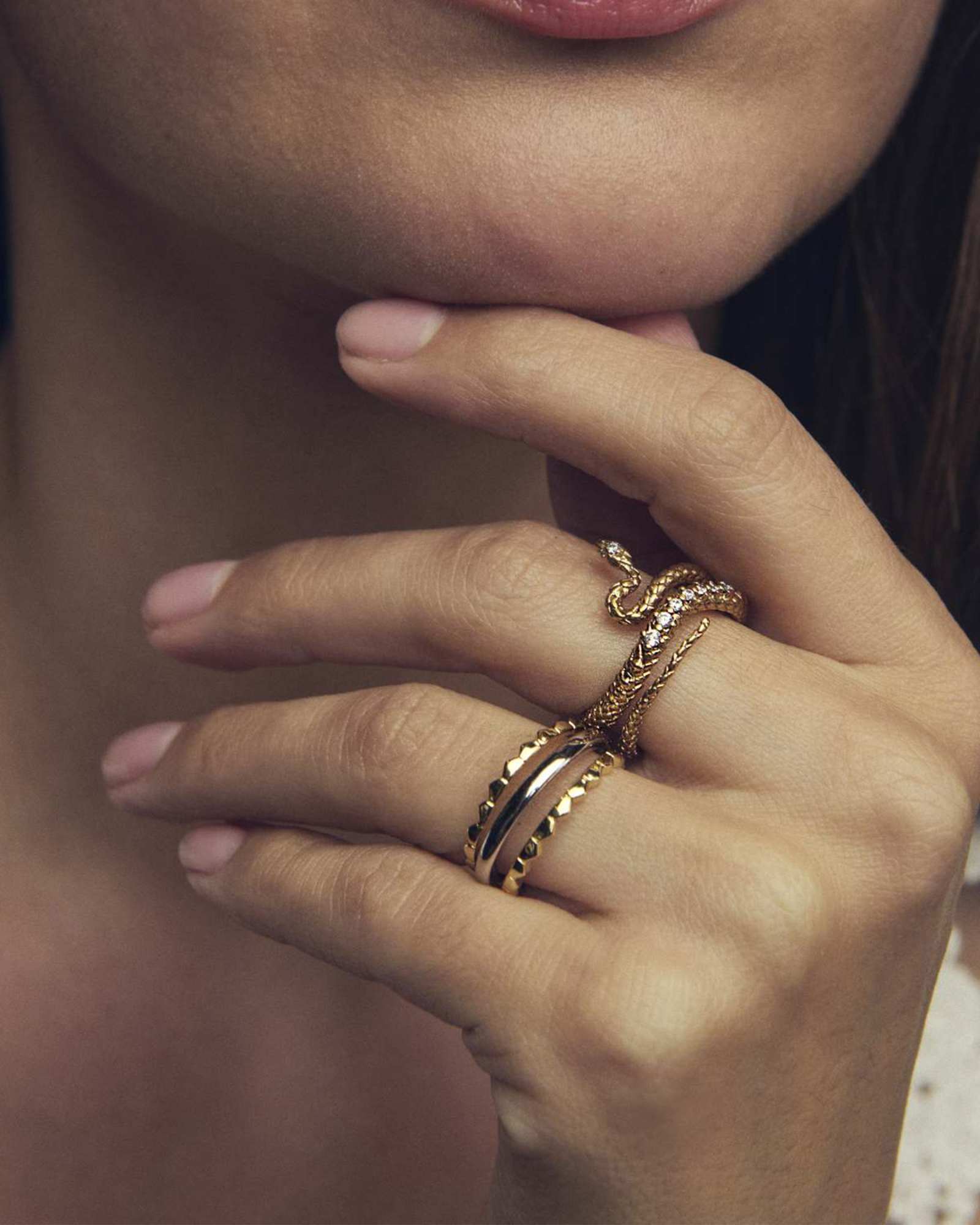
Comfort gives a beautiful ring its place in a regular jewelry rotation. Beyond the listed size, band width and shape affect how a ring feels: a wider band occupies more space on the finger, while the inner profile influences how easily it slides on and sits against the skin. A comfortable fit generally feels secure at the base of the finger and passes over the knuckle without excessive force. A ring that turns constantly or slips too easily may be distracting, while one that pinches can be uncomfortable during ordinary activities. Because sizing conventions and design proportions can differ, the size information attached to a ring matters more than assuming every style will fit exactly alike. Setting height deserves attention, too. Someone who types throughout the day, reaches into a handbag frequently, or wears fitted sleeves may prefer a profile that feels less intrusive during those movements. For a ring intended mainly for dinners, photographs, or celebrations, a more prominent silhouette may suit the occasion. Neither approach is inherently better; the useful distinction is how closely the design matches everyday habits. Materials and construction also deserve consideration beyond their appearance. Check the stated stone, metal, and construction details rather than inferring them from color, shine, or a familiar-looking shape. A gold-colored finish, for example, does not by itself identify the underlying material. Durability depends on the combination of stone characteristics, setting, band construction, and wear, so a light gemstone color should not be treated as a measure of strength or fragility. A substantial-looking ring is not automatically suited to every activity, either. For stacking, consider how neighboring bands meet: they should feel comfortable together, without one setting pressing into another or making the combined stack overly tight. Leaving a little visual space between decorative elements can also help each shape remain distinct. These practical details support an easy wearing experience, whether the ring becomes a daily accent or something chosen for particular moments.
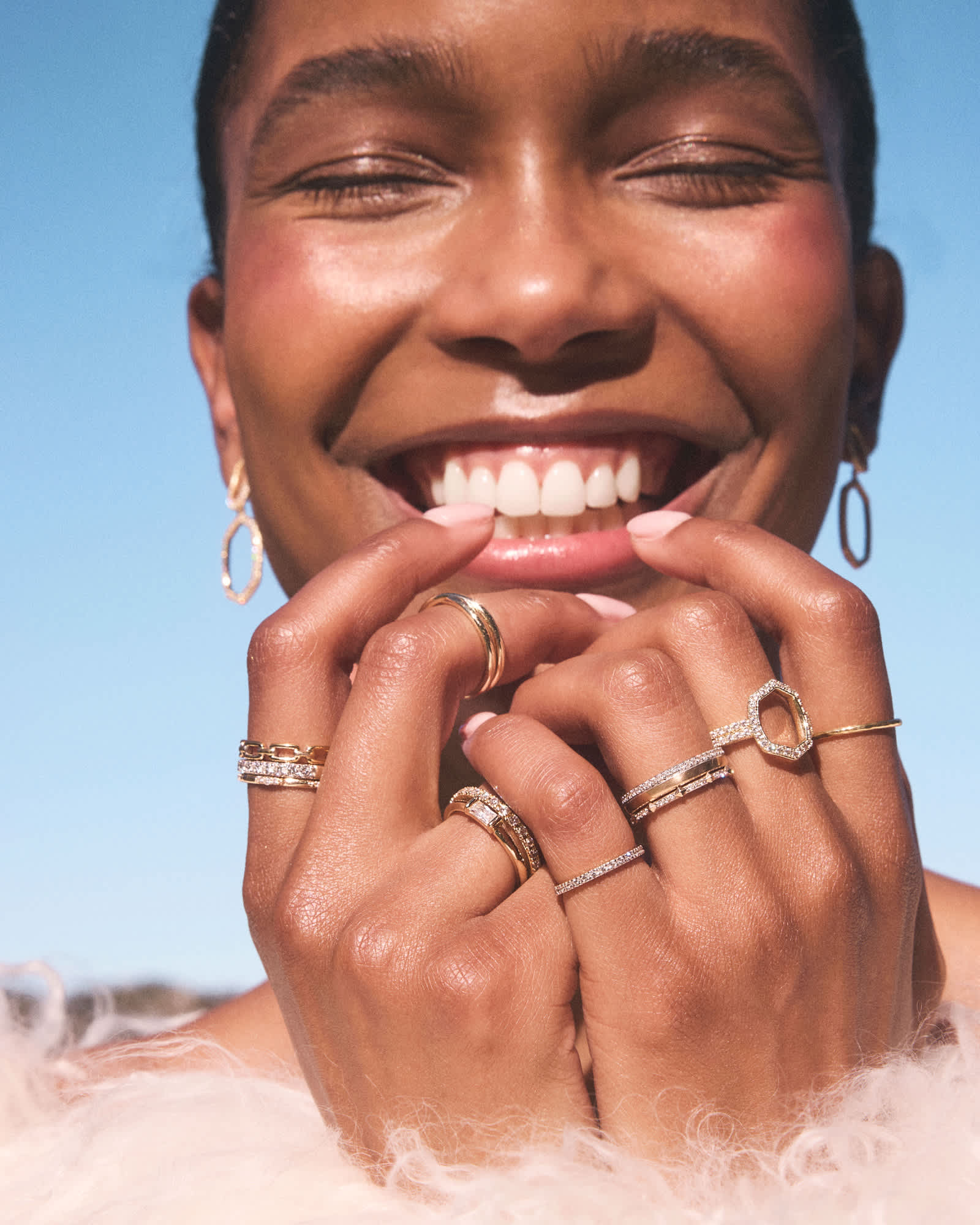
Within the broader range of Gemstone Rings, lighter colors offer an inviting way to explore personal style without committing to a high-contrast palette. They can echo a favorite clothing color, complement other softly colored accessories, or become the only colored detail in an otherwise simple outfit. Worn alone, a ring gives its shape and setting room to stand out; paired with understated bands, it can add dimension while keeping the overall look composed. Coordinating jewelry does not require an exact color match. Repeating a similar metal tone or balancing comparable proportions often creates a more cohesive effect than trying to make every detail identical. For gifting, that flexibility can be especially appealing. A birthday, graduation, personal achievement, or meaningful thank-you offers an opportunity to choose a ring around someone’s preferences rather than a passing trend. Notice the colors they wear often, whether they favor small accents or larger silhouettes, and how frequently they wear rings already. Size is just as important as style, and confirming it discreetly helps make the gesture feel considered. A pale-colored stone can also hold personal meaning simply because its shade recalls a favorite place, a treasured outfit, or a shared memory; that connection does not need to rely on claims about a stone’s powers or origin. Once a ring is part of a jewelry collection, thoughtful care helps protect its appearance. Follow the care directions for the stated materials, since a cleaning method suitable for one stone or finish may not suit another. Avoid assuming that soaking, steam, ultrasonic cleaning, or household cleaners are appropriate. When recommended, a soft cloth can help remove surface residue without unnecessary abrasion. Removing rings before activities that involve impact, prolonged moisture, or cleaning chemicals reduces avoidable exposure. Separate storage helps prevent jewelry from rubbing together, and occasional attention to the setting can reveal a change before it becomes more noticeable. With a comfortable fit, a design that reflects personal taste, and care suited to its materials, a light gemstone ring can feel easy to reach for and meaningful to wear.
Bestsellers
Related Pages
Top Collections
Unique Necklaces Fine Jewelry Gold Necklaces Engravable Rings Guide: What to Know Before You Customize Jewelry Gifts For Teens Genuine Gold Necklaces 16th Birthday Gifts For Daughter Sterling Silver Cross Necklaces For Women Gemstone Cuff Bracelets Fashionable Pink Necklaces Cute Friendship Necklaces