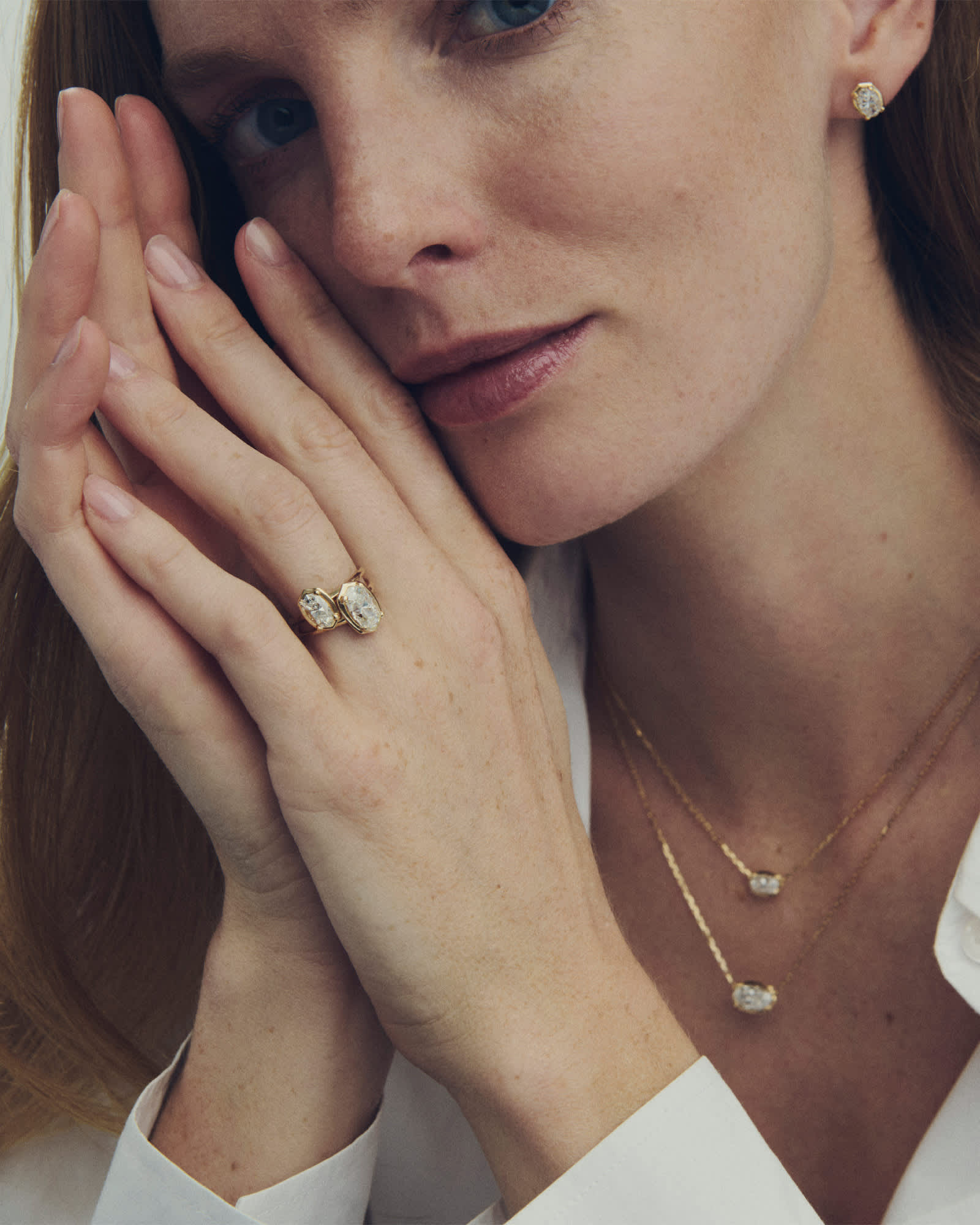
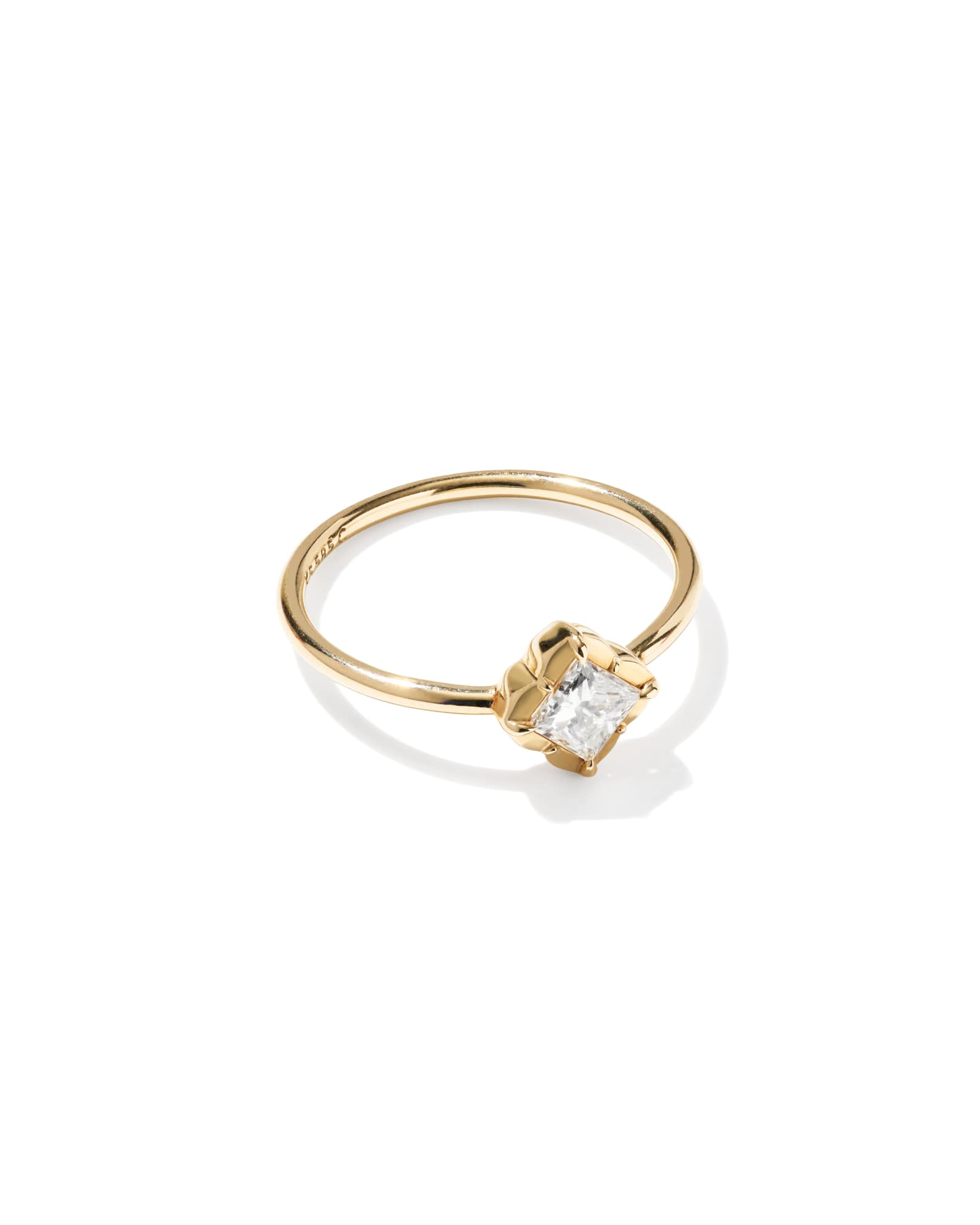
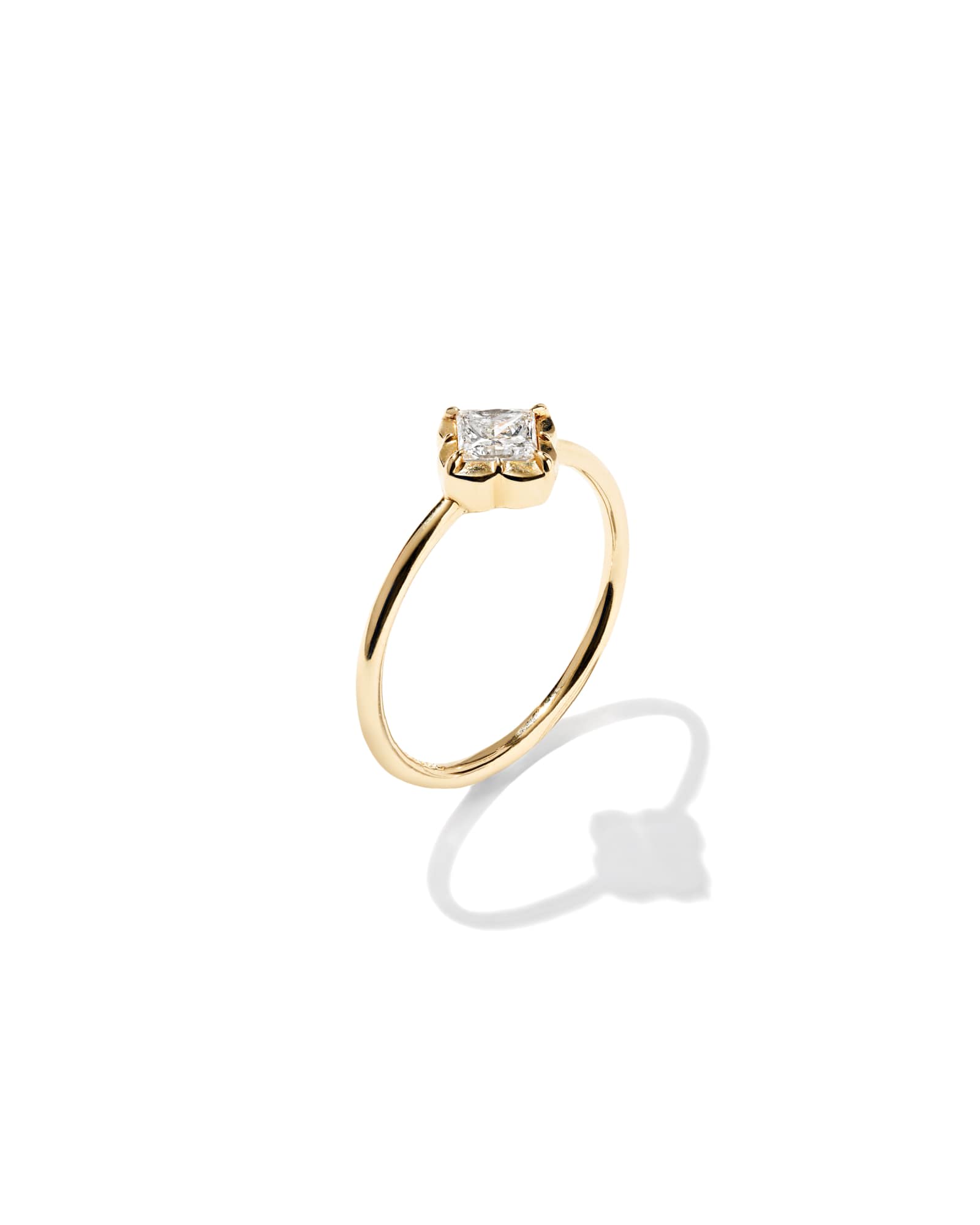
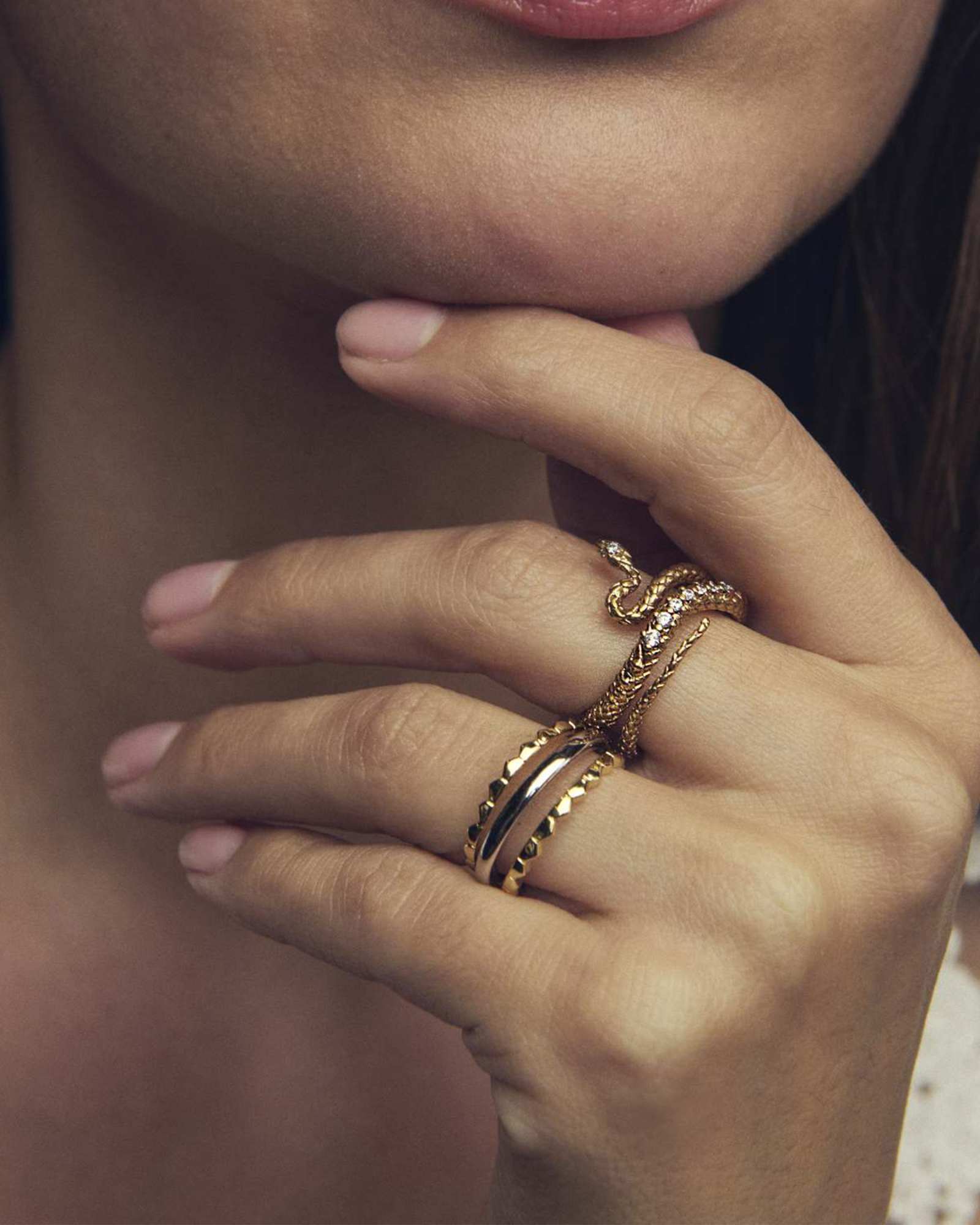
Lab-made diamonds rings offer a stunning blend of timeless elegance and modern innovation, perfect for celebrating life’s most meaningful moments. Discover a dazzling array of styles designed to capture your unique personality, from classic solitaires to contemporary settings. Whether you’re searching for an engagement ring or a special gift, lab-made diamonds rings provide a radiant choice that shines with brilliance and sophistication. Explore designs that reflect your individuality and add a touch of sparkle to every occasion.
- Home /
- Lab Made Diamonds Rings
Lab Made Diamonds Rings
Sort by:
0 Item(s)
Filter & Sort
Filter & Sort
0 item(s)
Sort by
This product is not available
Check out the following recommendations.
Lab Made Diamonds Rings
Lab-made diamond rings bring together expressive design and the significance of a piece chosen with intention. A diamond created in a laboratory has the same essential chemical composition, crystal structure, and physical properties as a mined diamond; the distinction is how it forms. Lab-made diamonds are diamonds, rather than diamond look-alikes, and their appearance still varies according to characteristics such as cut, color, clarity, and carat weight. Those details help explain why two rings with similar proportions can make different impressions on the hand. Cut influences the way a diamond interacts with light, while shape describes its outline, from rounded curves to elongated or angular forms. Carat measures weight, not visible size, so a stone’s proportions and setting also contribute to its presence. For someone drawn to understated sparkle, a balanced silhouette can feel just as expressive as a larger focal point. For someone who loves a statement, a more prominent shape can become the defining detail of an otherwise simple outfit. Exploring lab diamond rings is as much about recognizing that personal connection as it is about comparing specifications. The most appealing design often echoes something already familiar: a preference for clean lines, a love of delicate details, or the confidence of wearing one striking accessory. A single focal stone draws attention to its shape and light, while an arrangement of smaller stones creates a different rhythm across the finger. Neither approach needs an elaborate occasion to feel meaningful. A ring can mark a commitment, celebrate an accomplishment, or simply reflect a sense of style that has become more defined over time. Whether worn with tailored clothing, a favorite everyday outfit, or something selected for a celebration, the overall effect comes from the relationship between the diamond, the setting, and the person wearing it.
Comfort and proportion deserve as much attention as sparkle, particularly for a ring intended for frequent wear. Band width, setting height, and the amount of space a design occupies across the finger all influence how it feels throughout the day. A wider band may fit differently from a slender one, even when both carry the same listed size, and several rings worn together can feel more substantial than each does separately. Accurate sizing is especially helpful when choosing a ring for a particular finger or planning to pair it with an existing band. A comfortable fit should feel secure without pinching and allow the ring to pass over the knuckle with gentle resistance. For someone who types throughout the day, frequently reaches into pockets, or prefers jewelry that stays close to the hand, setting height can be an important consideration. A raised profile creates dimension, but it may also make contact with clothing or nearby objects more often. Rounded edges and balanced proportions can make a noticeable difference when the hand is moving rather than resting in a photograph. When pairing rings, the way their edges meet matters, too: some shapes sit closely beside a straight band, while others leave a visible gap. That space can be part of the look rather than something to disguise. Materials and construction should be evaluated through the individual ring’s stated details, including its metal, any surface finish, and how its stones are secured. The appearance of a metal alone does not establish its composition, and anyone with known sensitivities should review that information carefully. Close-up images, measurements, and care instructions offer useful context beyond a styled photograph. Together, these details help connect the visual appeal of a lab-made diamond ring with practical expectations for its fit, feel, and everyday use.
Lab-made diamonds are highly resistant to scratching, but hardness does not make a ring immune to damage. A diamond can chip under a sharp impact, and the surrounding setting needs care of its own. Removing rings before lifting weights, moving heavy objects, gardening, or using household cleaners helps limit unnecessary contact with hard surfaces and chemicals. Keeping a small jewelry dish in a consistent, secure place can make that habit easier, especially before tasks that involve gripping or repeated pressure. Storage matters as well: separate compartments or individual soft pouches help prevent rings from rubbing against other jewelry. Cleaning should follow the instructions provided for the complete ring, not just the diamond, because the metal, finish, and any additional materials may have different requirements. Lotions and everyday residue can soften the appearance of sparkle, but aggressive scrubbing or an unsuitable cleaning method can create a different problem. Before using an ultrasonic or steam cleaner, confirm that the method is appropriate for the setting and every component. If a stone moves, a prong feels rough, or the ring begins catching on fabric unexpectedly, set it aside for professional inspection rather than continuing to wear it. Thoughtful care supports the enjoyment of a piece that may carry considerable personal meaning. As a gift, a lab-made diamond ring can recognize an anniversary, a graduation, a professional milestone, or another achievement worth remembering. An engagement or commitment ring carries its own symbolism, while a ring chosen for oneself can celebrate independence, progress, or a fresh expression of personal style. The recipient’s existing jewelry offers helpful clues: notice whether they favor a single ring or several, smaller proportions or substantial shapes, and subtle details or a clear focal point. Confirming ring size and preferred finger can be more useful than trying to guess from appearance alone. A well-considered choice leaves room for both sentiment and practicality, giving the wearer a piece that feels connected to their life rather than reserved only for a special photograph. Its meaning can live in ordinary moments, too—a gesture across a dinner table, a hand wrapped around a coffee cup, or the familiar sparkle noticed during a busy day.
Bestsellers
Related Pages
Lab Created Diamond Bands Lab Grown Diamond Fashion Rings Lab Diamonds Rings Modern Lab Diamond Cocktail Rings Lab Grown Diamond Cocktail Rings Lab Grown Gemstone Rings Lab Made Diamond Stud Earrings Lab Grown Diamond Rings For Weddings One Of A Kind Lab Diamond Rings Lab Diamond Rings For Engagement
Top Collections
Unique Necklaces Fine Jewelry Gold Necklaces Engravable Rings Guide: What to Know Before You Customize Jewelry Gifts For Teens Genuine Gold Necklaces 16th Birthday Gifts For Daughter Sterling Silver Cross Necklaces For Women Gemstone Cuff Bracelets Fashionable Pink Necklaces Cute Friendship Necklaces