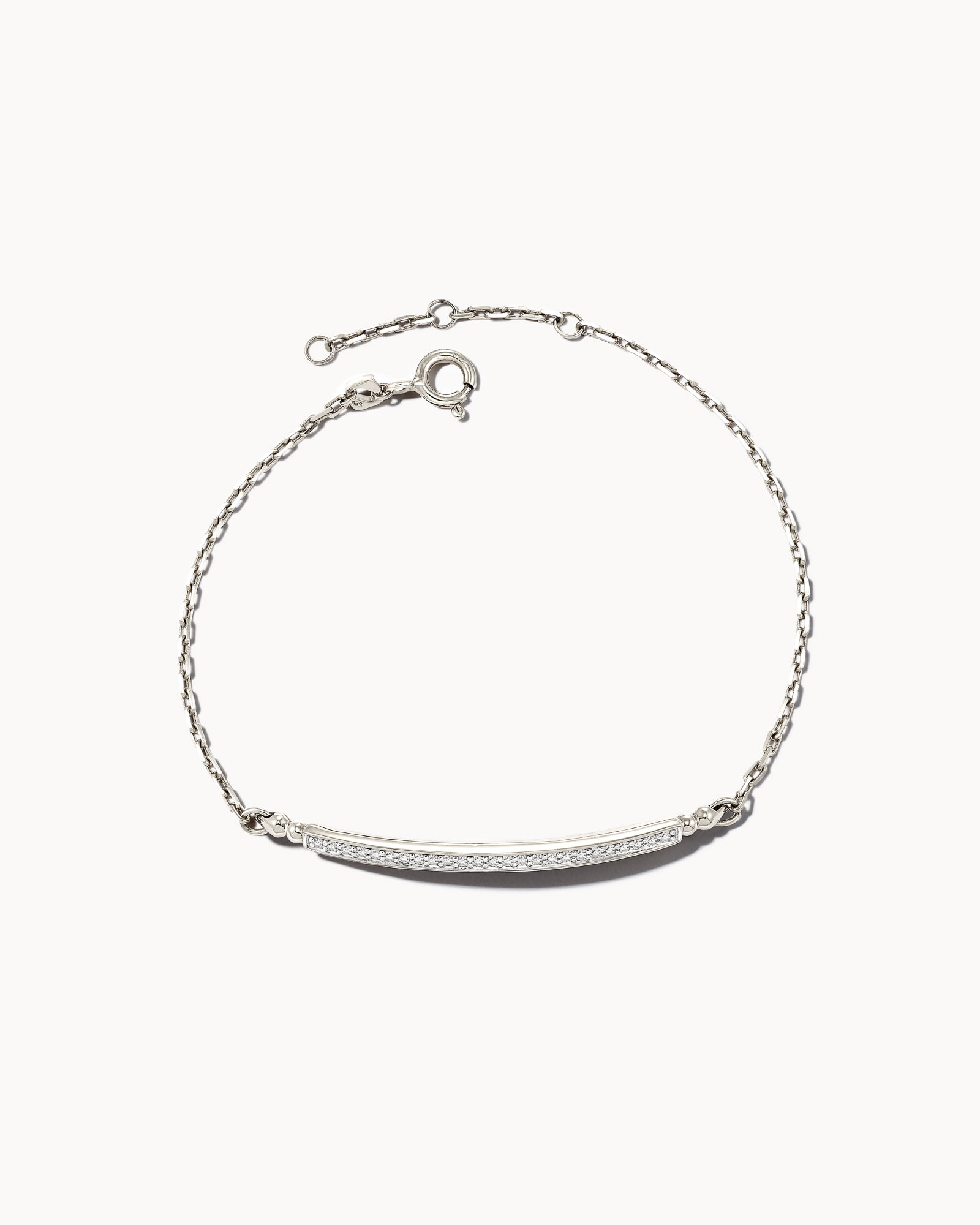
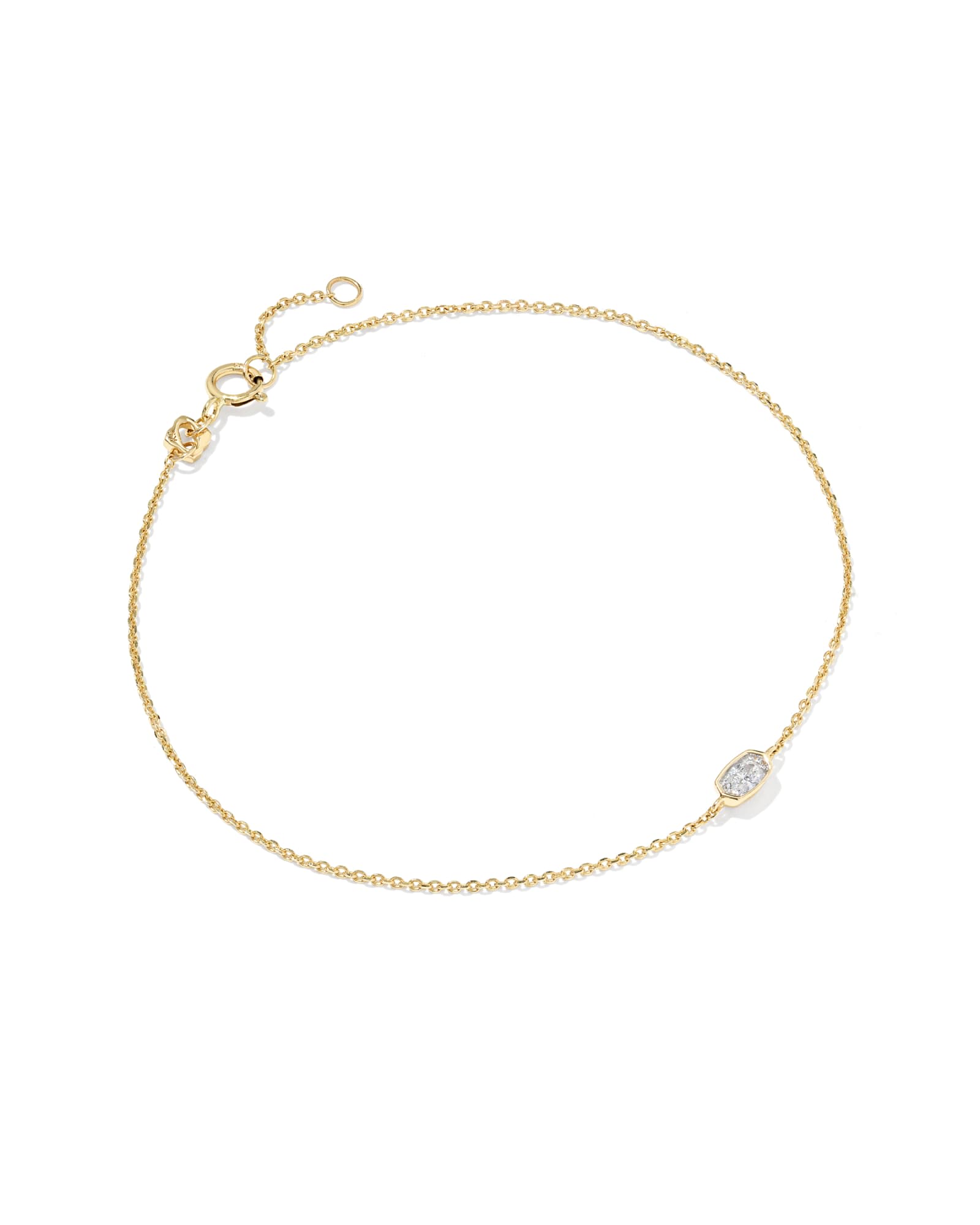
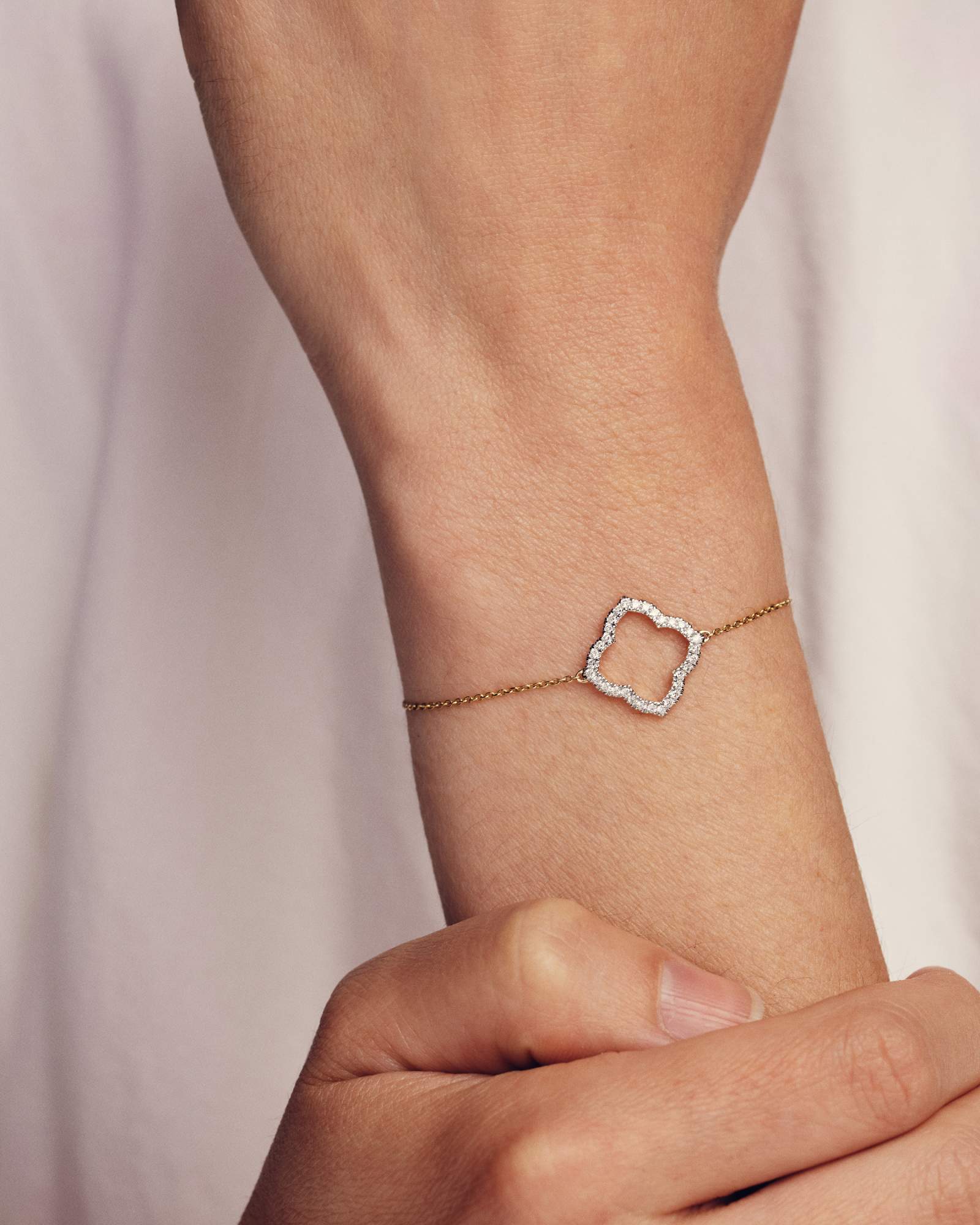
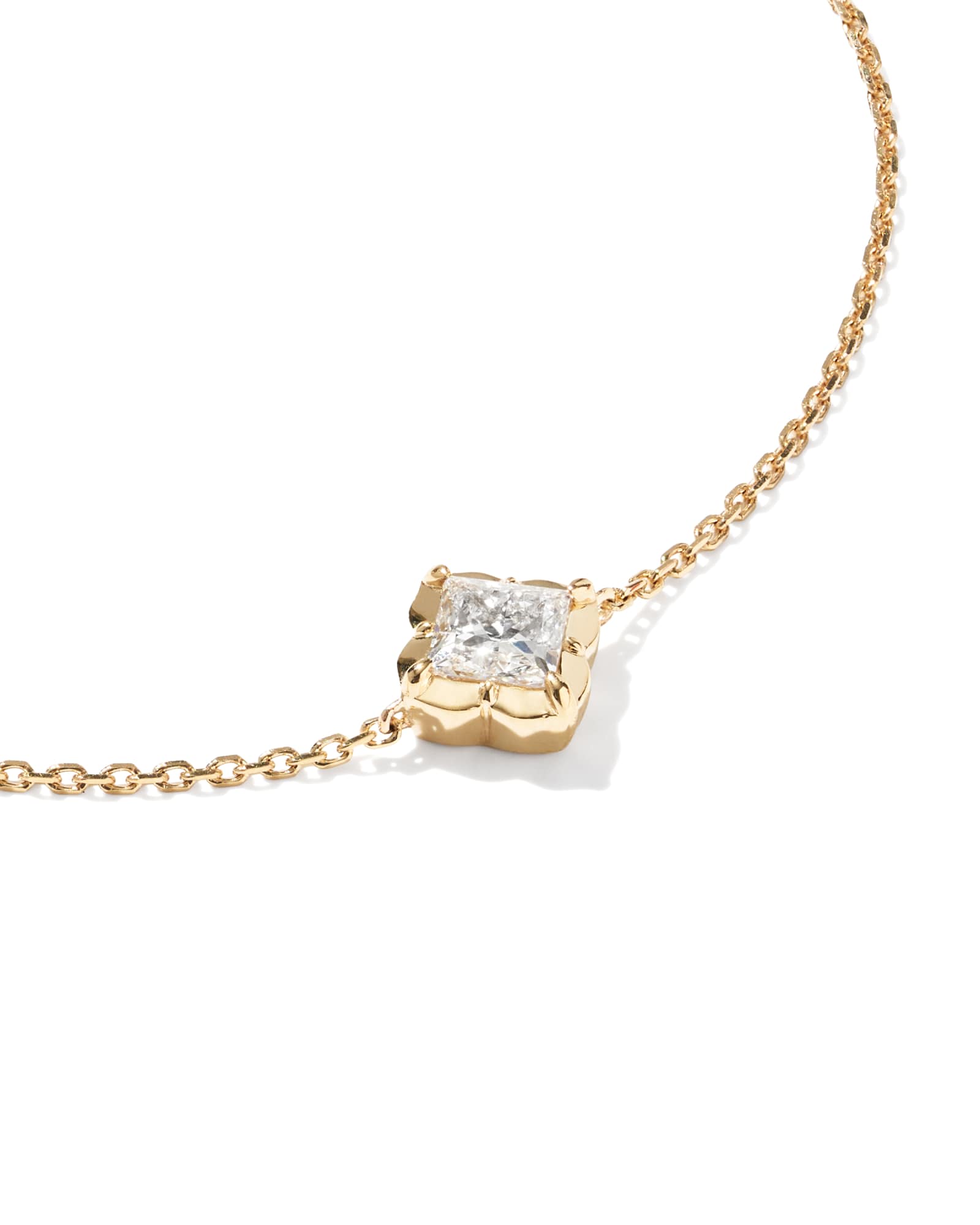
Diamond bracelets for Father’s Day offer a meaningful way to celebrate the special men in your life. Whether you’re honoring a dad, grandfather, or father figure, these timeless pieces add a touch of sophistication to any look. Discover diamond bracelets for Father’s Day that make unforgettable gifts and lasting symbols of appreciation. Find the perfect style to express your gratitude and make his day truly memorable.
- Home /
- Diamond Bracelets For Father's Day
Diamond Bracelets For Father's Day
Sort by:
0 Item(s)
Filter & Sort
Filter & Sort
0 item(s)
Sort by
This product is not available
Check out the following recommendations.
Diamond Bracelets For Father's Day
Diamond bracelets for Father’s Day pair a distinctive finishing touch with a personal gesture of appreciation. For a father, grandfather, stepdad, or father figure who enjoys jewelry, a bracelet can reflect the style he has made his own: understated and neat, expressive and substantial, or somewhere between the two. The appeal of Father’s Day Diamond Bracelets lies in that balance of meaningful gifting and individual expression. Diamond details catch the light without needing to dominate an outfit, and their arrangement can make a design feel subtle, structured, or striking. A continuous line of diamonds creates a rhythmic look often associated with tennis bracelets, while diamond accents placed along links offer a different balance of texture and sparkle. Cuff and bangle silhouettes bring a more defined outline to the wrist, making shape and proportion central to their appeal. These broader design directions provide useful context, but the strongest choice starts with the recipient’s preferences rather than a rule about what men should wear. Someone who keeps his wardrobe simple may appreciate a restrained profile that sits comfortably beside a shirt cuff. A dad who already wears necklaces, rings, or bracelets might enjoy a more prominent silhouette that complements his existing jewelry. Cool-toned or warm-toned finishes can also help a bracelet feel connected to the accessories he reaches for most often. For someone new to wearing diamonds, a focused accent can introduce sparkle without changing the character of his look. For someone who enjoys dressing for dinners, celebrations, or important family gatherings, a more visible diamond arrangement can become a finishing detail. Father’s Day gives that choice an added layer of meaning: the bracelet is not simply decorative, but something selected with his habits, tastes, and personality in mind. It can mark appreciation for everyday encouragement, shared traditions, or the steady presence that has made a difference over the years.
Fit and construction help determine whether a diamond bracelet feels as good as it looks. Bracelet length, width, weight, and flexibility all affect the experience on the wrist, and two designs with similar measurements can wear differently because of their shape. An articulated bracelet can follow the curve of the wrist, while a rigid silhouette holds a more consistent outline. A comfortable fit generally allows some movement without letting the bracelet slide excessively onto the hand or catch repeatedly against clothing. Comparing a wrist measurement with the listed dimensions is more useful than relying on a standard size, especially when choosing a gift. A bracelet he already wears comfortably can offer a helpful point of reference, provided the two styles have comparable shapes. For cuffs and bangles, opening dimensions and inner circumference deserve attention alongside width. Clasp design matters, too: the closure should suit the wearer’s dexterity and be something he can fasten confidently without unnecessary effort. Diamond settings add another practical consideration. Lower-profile details may be easier to wear beneath sleeves, while raised settings can create a more dimensional appearance but require attention around knitwear and other fabrics that may snag. Materials and finishes influence weight, skin comfort, and maintenance, making the individual bracelet’s description important to the decision. Anyone with known sensitivities should pay particular attention to metal composition rather than choosing by color alone. Diamond carat weight, when listed, describes weight rather than bracelet length or overall scale; total carat weight refers to the combined weight of the diamonds. The spacing, size, and placement of those diamonds also shape the visual effect, so a larger number does not tell the whole design story. Intended use provides the final piece of context. A bracelet chosen for occasional celebrations may prioritize presence, while one intended for frequent wear should fit comfortably into the recipient’s routine. If he wears a watch, consider how the bracelet’s width and movement will work alongside it, or whether wearing it on the opposite wrist would feel more natural.
Care is part of enjoying a diamond bracelet over time, especially when it becomes a familiar accessory rather than something reserved for special occasions. Diamonds resist scratching, but that does not make an entire bracelet immune to damage. Settings, links, clasps, and surface finishes still need thoughtful handling, and a hard impact can affect the piece even when the diamonds appear unchanged. Removing a bracelet before workouts, lifting heavy objects, gardening, or hands-on household projects helps limit avoidable knocks and snags. Swimming, cleaning products, and personal-care products can also affect different materials and finishes, so care directions for the particular bracelet should guide when it is worn and how it is cleaned. A soft, lint-free cloth can help remove surface residue where appropriate, while soaking, brushing, chemical cleaners, and cleaning devices should only be used when the stated care instructions support them. Separate storage helps prevent a bracelet from rubbing against other jewelry, and fastening the clasp before putting away a flexible design can help keep it organized. An occasional check of the closure, links, and settings is a useful habit; a loose component or unexpected movement deserves attention before the bracelet is worn again. These practical details make the gift easier to enjoy, but the presentation can carry just as much meaning. A handwritten note recalling a shared experience, a lesson he passed along, or a quality admired in him gives the bracelet a personal context. The occasion does not require an elaborate message: a few specific words often say more than a broad sentiment. Whether his style centers on relaxed shirts, tailored jackets, or a favorite watch, a well-considered diamond bracelet can add a distinctive detail without asking him to dress like someone else. That connection between design and the person receiving it is what makes a Father’s Day jewelry gift feel especially thoughtful, with room for both celebration and everyday expression.
Bestsellers
Related Pages
Diamond Jewelry For Father's Day White Gold Diamond Bracelets For Father's Day Father’s Day Diamond Bracelets Gold Bracelets For Father's Day Classic Diamond Rings For Father's Day Elegant Diamond Rings For Father's Day Father's Day Diamond Rings for Gifts Bracelets For Father's Day Modern Bracelets For Father's Day Father’s Day Diamond Necklaces
Top Collections
Unique Necklaces Fine Jewelry Gold Necklaces Engravable Rings Guide: What to Know Before You Customize Jewelry Gifts For Teens Genuine Gold Necklaces 16th Birthday Gifts For Daughter Sterling Silver Cross Necklaces For Women Gemstone Cuff Bracelets Fashionable Pink Necklaces Cute Friendship Necklaces