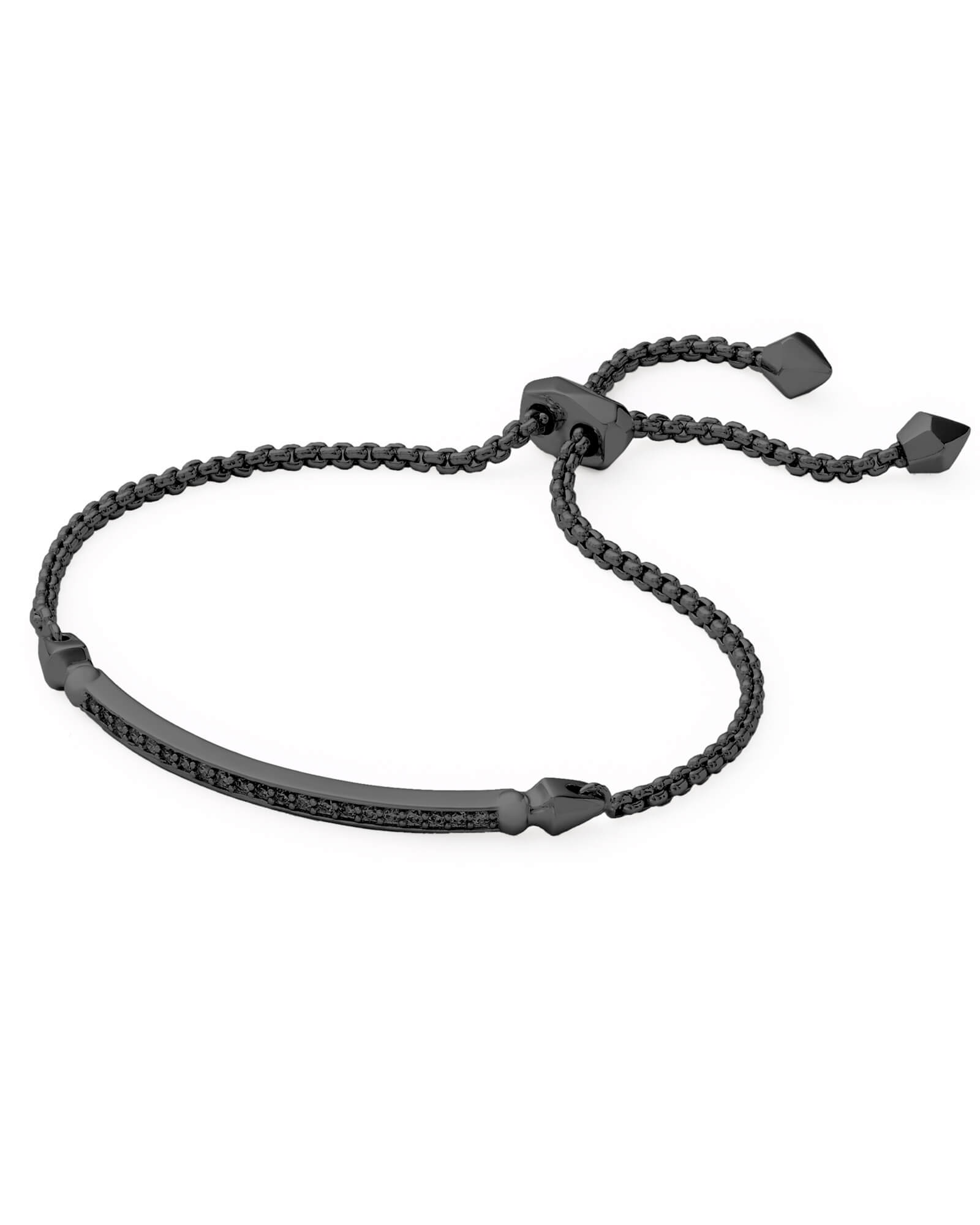
Curb Chain Jewelry
Curb chain jewelry exudes timeless elegance and modern sophistication, making it a versatile addition to any accessory collection. With its distinctive interlocking links and sleek design, curb chain jewelry effortlessly complements both casual and formal attire. Whether you're seeking a statement piece or a subtle accent, these exquisite creations offer endless possibilities for personal expression. Explore our curated selection of curb chain necklaces, bracelets, and more to find the perfect piece that resonates with your unique style. Embrace the allure of curb chain jewelry and elevate your ensemble with a touch of refined charm.
Read More

Kendra Scott Kendra Scott Curb Chain Bracelet in Oxidized Sterling Silver | Metal
A classic 8.5" curb chain bracelet in oxidized sterling silver, perfect for everyday wear.
$228 $228
SALE

Kendra Scott Kendra Scott Alexa Vintage Silver Multi Strand Necklace | Cubic Zirconia
A vintage silver multi-strand necklace featuring beach-inspired charms and sparkling white cubic zirconia accents.
$89.97 $89.97
SALE

Kendra Scott Kendra Scott Keziah Vintage Silver Statement Link and Chain Necklace | Metal
A vintage silver statement necklace featuring an oversized curb chain and intricately etched Western-inspired details.
$150 $150
SALE

Kendra Scott Kendra Scott Keziah Vintage Silver Statement Link and Chain Bracelet | Metal
An intricately etched vintage silver bracelet featuring oversized curb links and a toggle clasp for bold style.
$75 $75
SALE

Kendra Scott Kendra Scott Keziah Vintage Gold Link and Chain Necklace | Metal
A vintage gold curb chain necklace featuring etched metal details and a toggle clasp for added interest.
$125 $125
SALE

Kendra Scott Kendra Scott Davie Gold Diamond Locket Watch Pendant Necklace | Metal
A gold stainless steel locket necklace featuring an ivory mother-of-pearl watch face and diamond accent.
$298 $298
SALE
Curb chain jewelry is defined by interlocking, rounded or oval links shaped with a slight twist so they align in a flat, repeating pattern. That close, connected arrangement gives the chain its recognizable profile: a continuous line with enough detail to stand on its own and enough simplicity to complement other jewelry. Unlike a chain with links that alternate prominently in different directions, a curb chain has a flatter silhouette that follows the neckline or wrist. Its appeal comes from that balance of structure and movement. The individual links create a steady rhythm, while their surfaces catch the light as the wearer turns, reaches, or gestures. Scale makes a noticeable difference in the overall effect. A slender curb chain offers a subtle finishing touch beside an open collar, while a wider version brings more visual weight to a simple neckline. Neither needs an elaborate outfit to feel considered; a plain shirt, tailored jacket, or understated dress gives the link pattern space to show. Curb chain necklaces and bracelets also suit different approaches to personal style, from a single signature accessory to a more expressive mix of shapes and proportions. Worn alone, the chain becomes the focal point through its repetition and silhouette rather than added ornament. Layered with other jewelry, it introduces a defined line that can contrast with a finer chain or a softer, rounded shape. For someone who prefers accessories that move easily between a workday, a casual lunch, and a dinner out, that adaptable appearance is part of the attraction. Curb chain jewelry can feel understated or substantial depending on its width, length, and placement, making those visible details more useful than a style label when choosing a look that feels personal.
Proportion and fit help determine how curb chain jewelry becomes part of an everyday rotation. For a necklace, the listed length is only a starting point: the same measurement can sit differently depending on neck size, body proportions, and the neckline of an outfit. A shorter chain can frame the base of the neck, while a longer one creates a line farther down the chest. Comparing the stated measurement with a necklace that already sits comfortably offers a practical sense of placement. Width matters alongside length, since a broader link pattern occupies more space and can feel more substantial than a narrow chain of similar length. With bracelets, a little room for movement can support comfortable wear, but excessive looseness may let the chain slide toward the hand or catch against a desk edge. Someone who spends much of the day typing may prefer a closer fit over a bracelet that travels freely along the wrist. Closure style, any stated adjustment options, and the dimensions of the links are worth considering together, especially when ease of fastening is important. Materials and finishes deserve the same attention as silhouette. Color alone does not establish what a chain is made from, so the individual description should be the reference for its metal, surface treatment, and care requirements. Explore Curb Sterling Silver Chain for a material-specific expression of this distinctive link pattern. Beyond material preference, a warm or cool color can coordinate with frequently worn accessories or introduce a deliberate contrast. When layering necklaces, different lengths give each chain room to remain visible rather than gathering at the same point. A pendant adds another consideration: its opening must accommodate the chain and its end fittings, and compatibility should be confirmed rather than assumed. These details help connect the appeal of a curb chain with the way it will actually be worn, whether the goal is a clean neckline, a balanced bracelet stack, or a single piece with visual presence.
The lasting enjoyment of curb chain jewelry depends on choosing it for the intended use and caring for its particular construction. A substantial appearance does not, by itself, establish durability; link construction, connections, closures, materials, and surface treatments all influence how a chain responds to wear. Close-fitting links still need freedom to move, and pulling at a tangle or forcing a bent section can place stress on the chain. Gentle handling is especially helpful when taking jewelry off over clothing or separating it from another necklace. Following the supplied care directions is the best starting point for cleaning, because a method suitable for one material or finish may not suit another. A soft cloth may be appropriate for routine wiping when permitted by those directions, while cleaning solutions, soaking, and polishing treatments should be used only when recommended. Keeping chains separate in storage helps limit tangling and contact with other jewelry; laying a necklace out neatly or giving a bracelet its own compartment also makes the next wear easier. Removing jewelry before activities that could expose it to force, abrasion, or chemicals can help reduce avoidable wear. For gifting, the curb chain’s recognizable shape offers a thoughtful starting point without requiring an exact match to a highly decorative motif. A graduation, birthday, anniversary, or personal milestone can be marked with a style chosen around the recipient’s habits: a narrow profile for someone who wears small accessories, a more prominent link for someone who favors statement details, or a length similar to a necklace they reach for often. Preferred color, comfortable fit, and ease of fastening make the gesture feel more personal than appearance alone. The same considerations matter when choosing jewelry for oneself. A curb chain earns its place through the relationship between design and daily life—the way it rests beside a favorite collar, complements a familiar ring, or adds definition to an otherwise simple outfit. Its connected links offer a clear, expressive foundation for a jewelry collection shaped by individual taste.
Read More