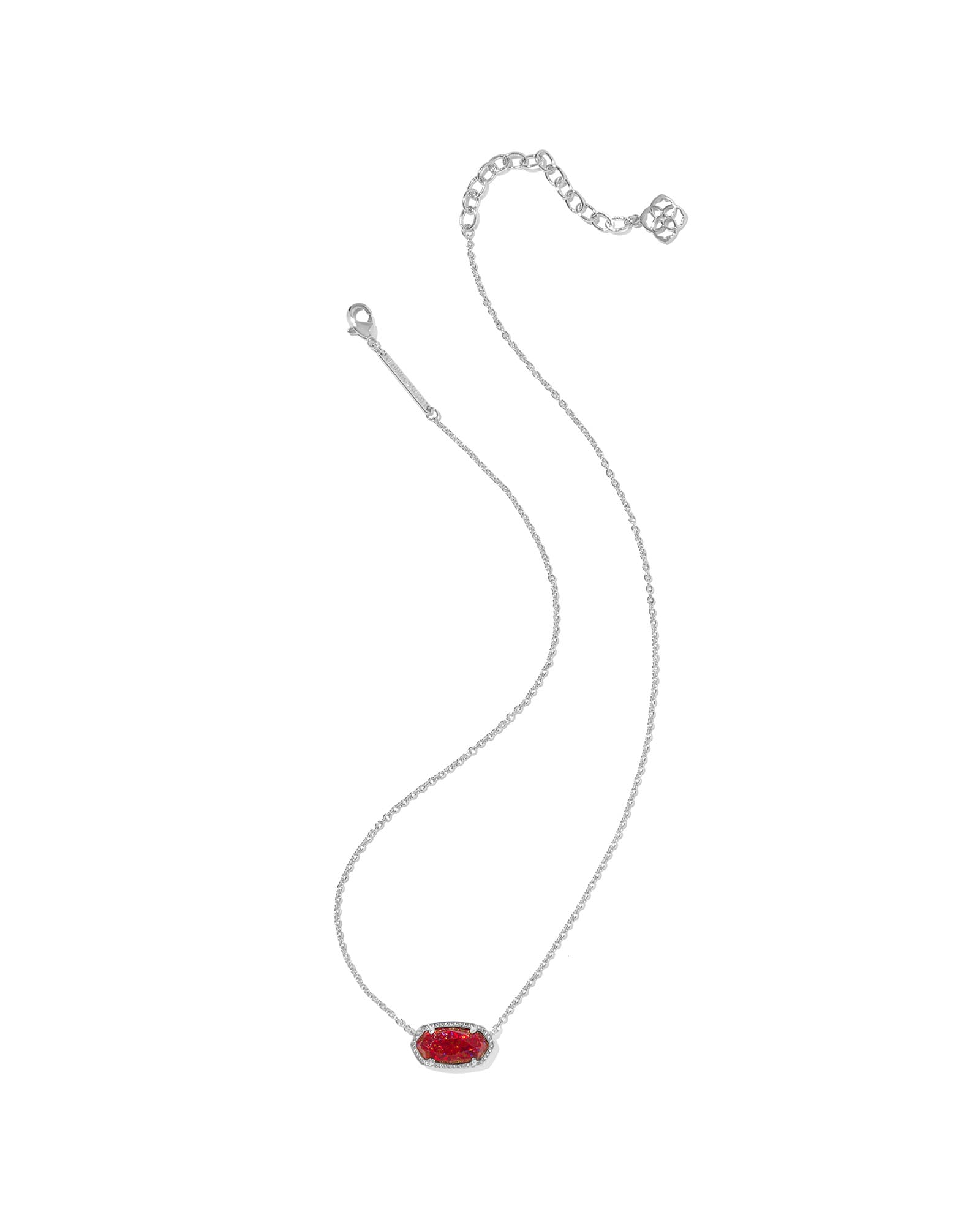
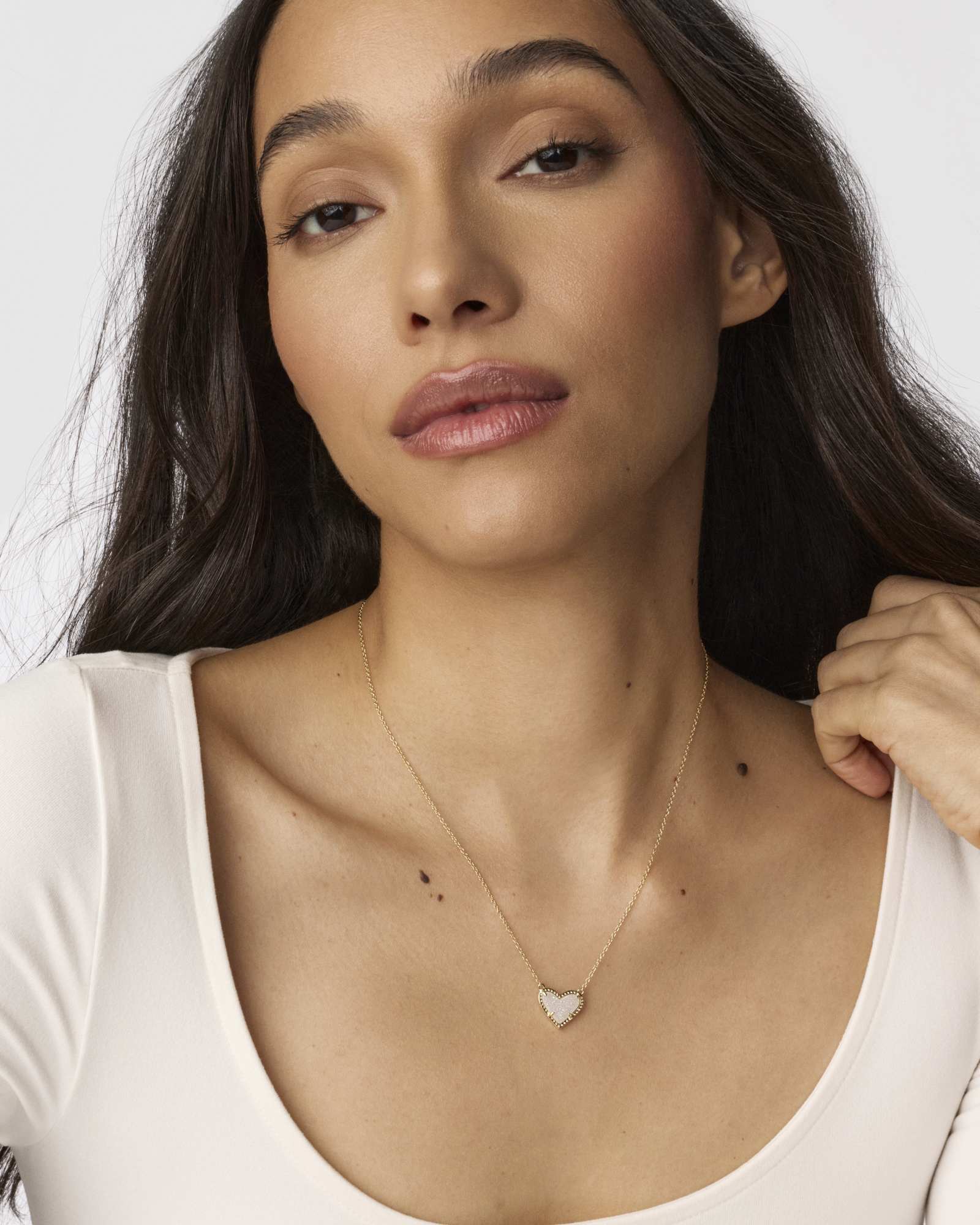
Discover a delightful collection of children's necklaces that perfectly blend playful charm with timeless elegance. Each piece is thoughtfully designed to bring joy and sparkle to little ones, making every occasion extra special. From whimsical pendants to personalized treasures, our selection offers something for every child's unique style and personality. Crafted with care and attention to detail, these necklaces are not only beautiful but also durable, ensuring they can be cherished for years to come. Explore the magic of children's jewelry and find the perfect necklace that will capture their heart and imagination.
- Home /
- Children's Necklaces
Children's Necklaces
Sort by:
0 Item(s)
Filter & Sort
Filter & Sort
0 item(s)
Sort by
This product is not available
Check out the following recommendations.
Children's Necklaces
Children's necklaces offer a personal way to express a favorite color, celebrate a milestone, or add a finishing touch to an outfit chosen with care. For a child old enough to wear jewelry responsibly, a necklace can become part of getting dressed for a family celebration, a school picture, or a special outing. The appeal often lies in a detail that feels distinctly theirs: a meaningful shape, an initial, or a color they reach for again and again. Choosing children's jewelry is about balancing that sense of delight with proportions and wearing habits that suit the child. A small pendant can feel understated against a patterned dress, while a more expressive design can become the focal point of a simple top. Scale matters as much as decoration; a necklace should complement the wearer rather than feel heavy, distracting, or difficult to manage. For children developing their own preferences, having a say in the design helps make the choice feel personal. Some gravitate toward playful details, while others prefer a simpler look that echoes the jewelry worn by someone they admire. Neither approach needs to feel overly grown-up. The most thoughtful choice reflects the child's interests and comfort instead of an adult's expectations about how jewelry should look. Children's necklaces can also make meaningful birthday gifts or mark an achievement, a performance, or another family moment worth celebrating. A gift feels especially considered when its design connects to something the recipient already loves, whether that is a favorite hue or a shape with a shared story. For those drawn to a silver color palette, Children's Silver Necklaces offers a more focused place to browse, with each necklace's description providing the details needed to understand its composition, dimensions, and care.
Comfortable fit is an important consideration when comparing necklaces for children, and an age label alone does not establish the right length. Children of the same age can have different proportions, and the placement of a pendant changes with both chain length and the neckline beneath it. Reviewing the listed measurements helps make sense of how a necklace may sit, particularly when product photography makes scale difficult to judge. For an older child, an adult can use a soft measuring tape to assess a comfortable length without pulling it tight around the neck. The pendant should rest without pressing against the throat or hanging where it repeatedly catches on clothing. A larger decorative element may also feel different from a smaller one, even when the listed chain lengths match. If an adjustable length is specified, check the full range rather than assuming every setting will suit the wearer. The closure deserves similar attention: consider whether an adult will need to help fasten it and whether the child can leave it alone while wearing it. Materials should be evaluated through the stated product information, not appearance alone. A silver or gold color does not, by itself, identify the underlying metal, finish, or construction. Where skin sensitivities are a concern, review the complete material details and any known triggers before making a choice; a color description is not a substitute for that information. Surface texture, pendant edges, and the way a design rests against skin can also influence comfort. Durability depends on construction and care, so a delicate appearance should not be interpreted as suitable for unrestricted daily activity. Children's necklaces are best considered accessories for appropriate occasions, not objects designed to withstand tugging, chewing, or active play. Thoughtful proportions, clearly described materials, and realistic expectations about wear help narrow the choice without losing sight of the design that first caught the child's attention.
Caring for a child's necklace begins with knowing when it should be worn and when it should be put away. Necklaces are not appropriate for babies or toddlers and should be removed before sleep, sports, playground activities, or rough play. Follow the stated age guidance and warnings for the design, and provide adult supervision appropriate to the child and setting. A secure clasp does not eliminate the risk of a necklace catching on something, and adult supervision does not make every activity suitable for jewelry. For an older child, a family meal, a portrait session, or a celebration can offer an opportunity to enjoy a necklace without expecting it to remain on throughout the day. Removing jewelry before bathing or swimming also helps avoid exposure that may be unsuitable for its materials or finish. Cleaning should follow the supplied care instructions, since different components may require different treatment. Do not assume that a household cleaner, jewelry dip, or soaking method is suitable simply because it works for another piece. After wear, putting the necklace in its own compartment or pouch can help limit tangling and contact with other jewelry. An adult can periodically check the clasp, connecting points, and decorative elements for changes, setting the necklace aside if anything appears loose, damaged, or uncomfortable. These small routines give an older child a manageable introduction to looking after personal belongings without turning a gift into a chore. When giving a necklace, sharing its care information with the parent or caregiver is as thoughtful as choosing the design. A short note explaining the color, shape, or occasion behind the choice can add a personal connection without suggesting the necklace must be saved only for major events. The lasting appeal comes from a balance of individual style, comfortable wear, and thoughtful care—a small accessory connected to moments that matter.
Bestsellers
Related Pages
Top Collections
Unique Necklaces Fine Jewelry Gold Necklaces Engravable Rings Guide: What to Know Before You Customize Jewelry Gifts For Teens Genuine Gold Necklaces 16th Birthday Gifts For Daughter Sterling Silver Cross Necklaces For Women Gemstone Cuff Bracelets Fashionable Pink Necklaces Cute Friendship Necklaces