- Home /
- Aquamarine Stone Necklaces
Aquamarine Stone Necklaces
Aquamarine stone necklaces capture the tranquil beauty of the sea with their captivating blue hues, making them a timeless addition to any jewelry collection. Whether you're searching for a subtle accent piece or a statement accessory, these necklaces offer versatility and elegance for every occasion. Explore a variety of aquamarine stone necklaces designed to complement personal style and add a refreshing touch to any ensemble.
Sort by:
0 Item(s)
Filter & Sort
Filter & Sort
0 item(s)
Sort by
This product is not available
Check out the following recommendations.
Aquamarine Stone Necklaces
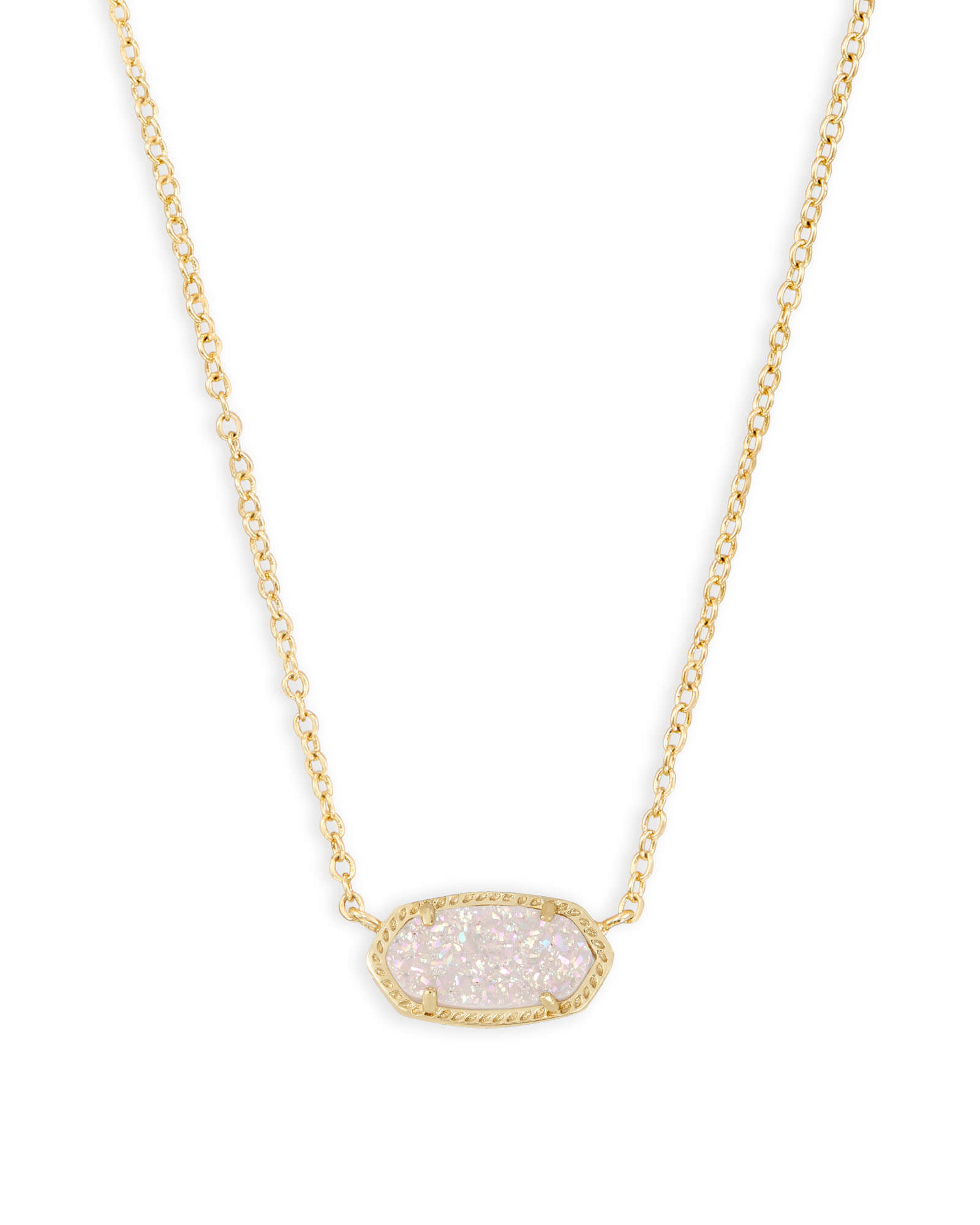
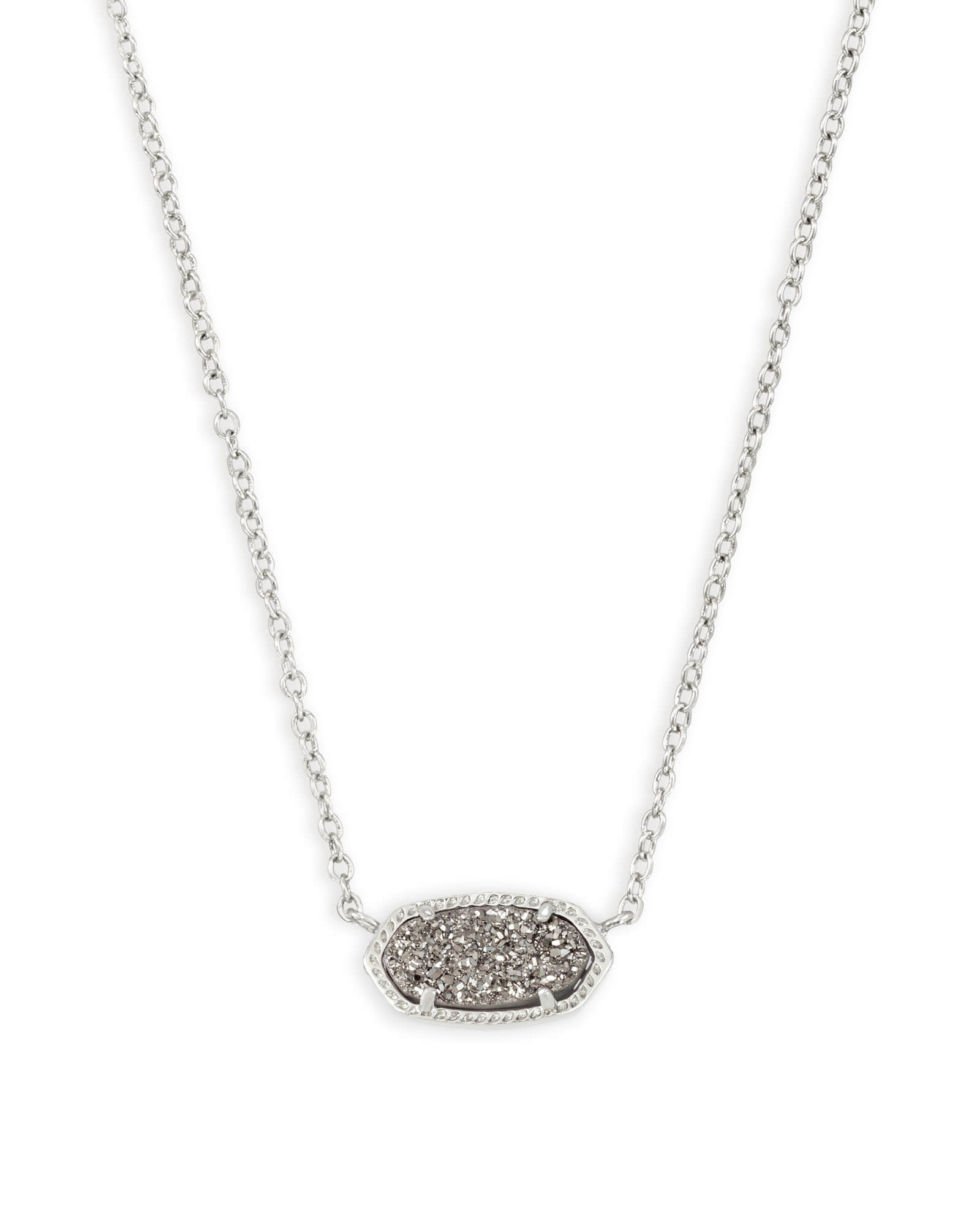
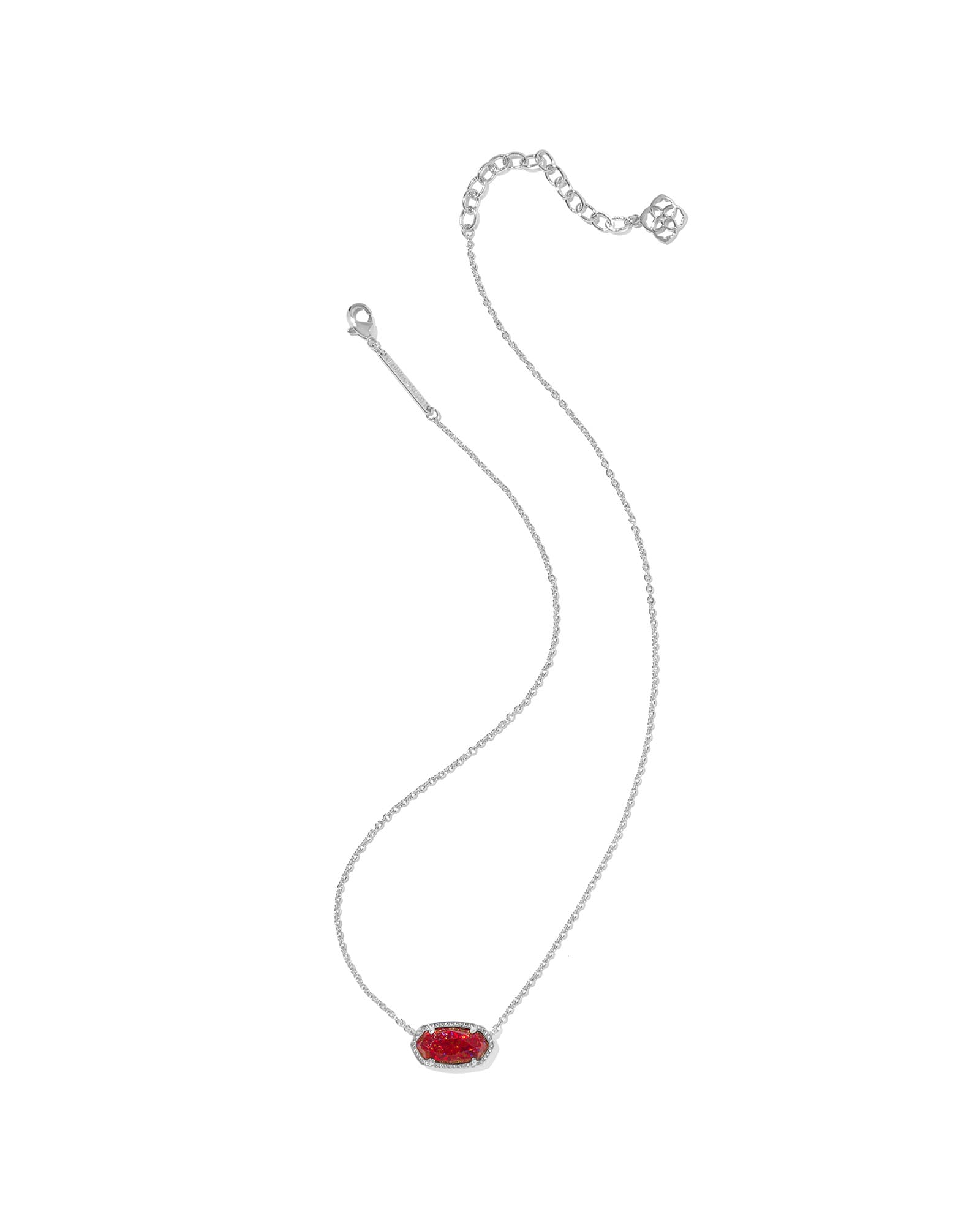
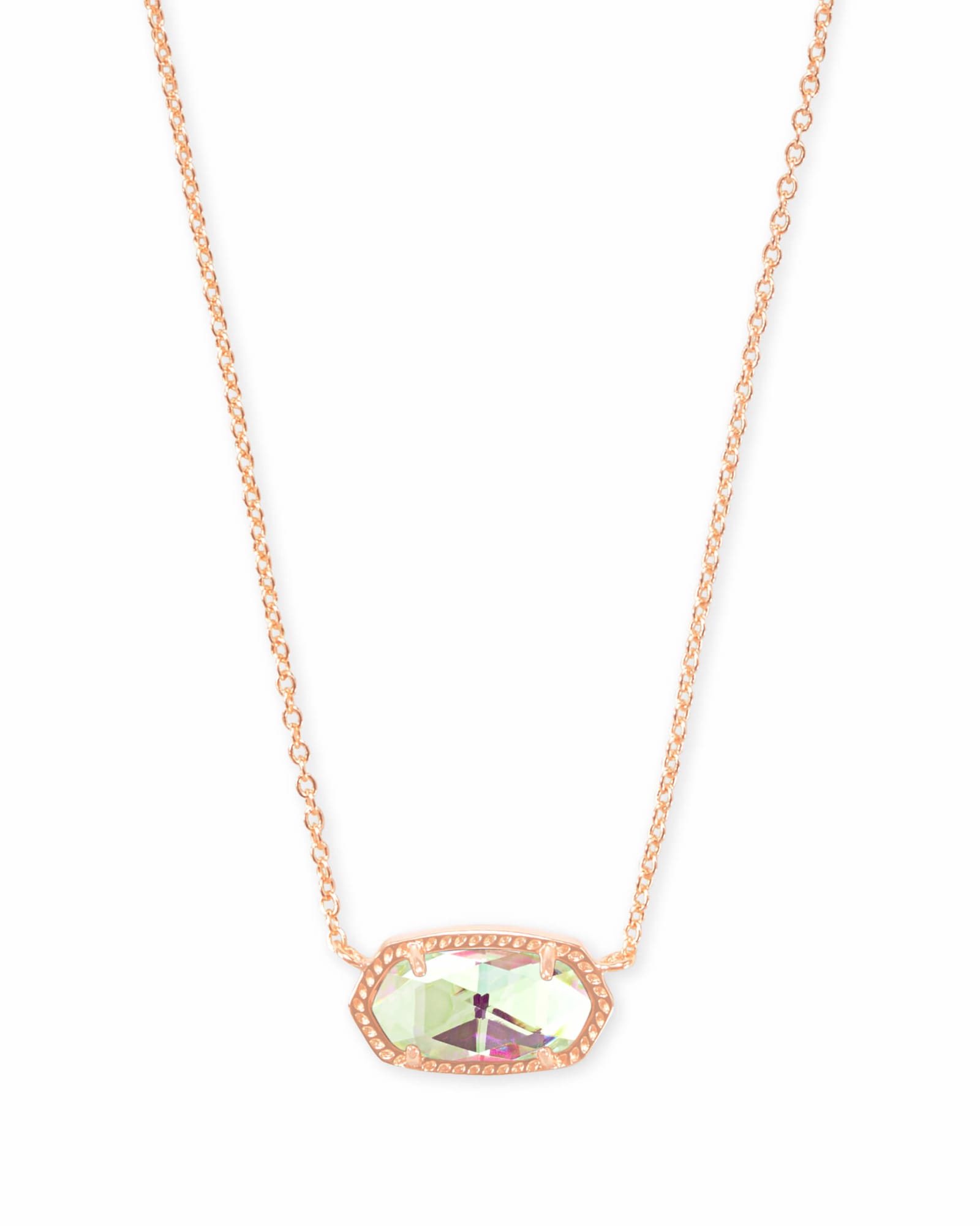
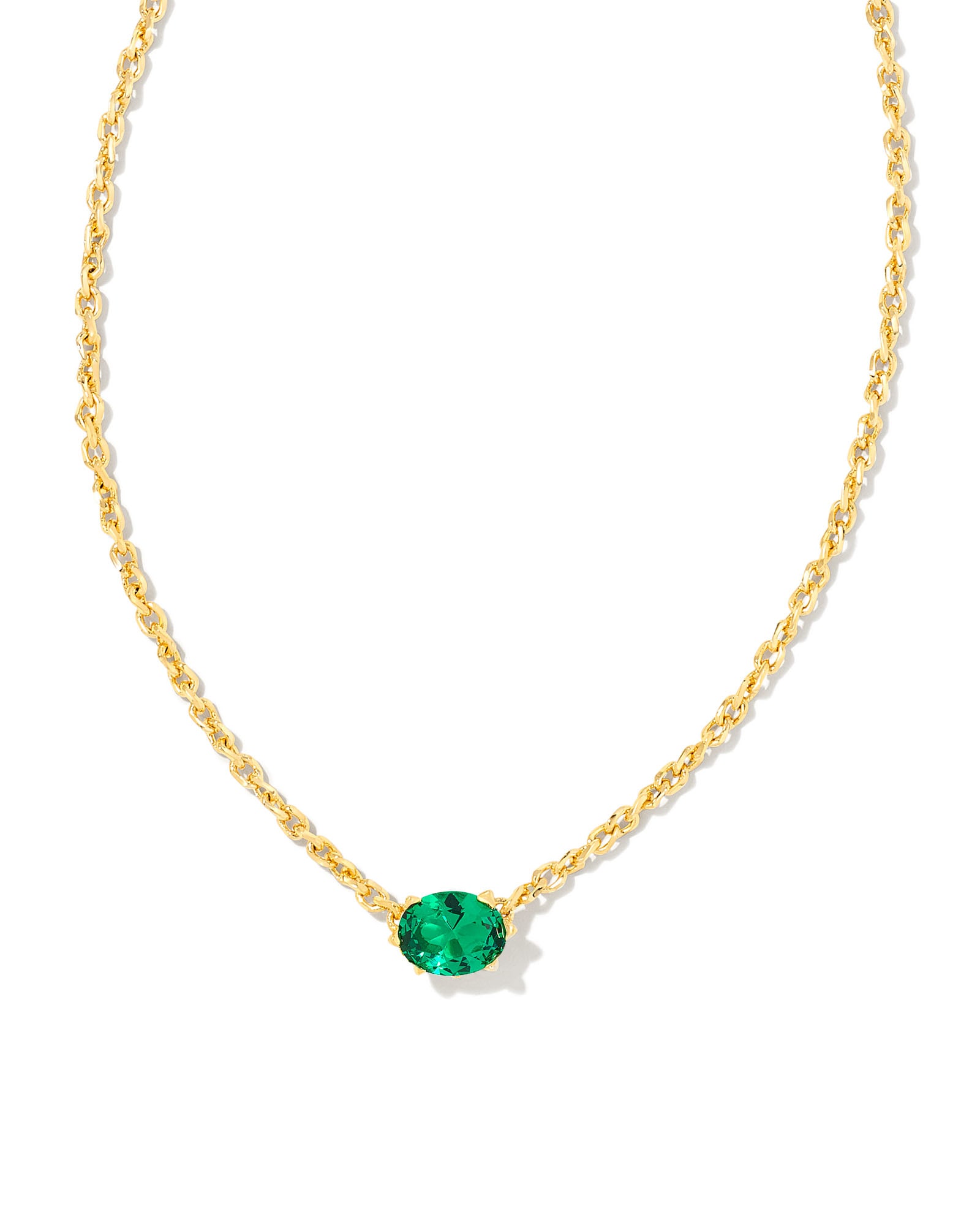
Aquamarine stone necklaces bring a soft blue focal point to a jewelry collection, pairing expressive color with a look that can feel understated or dressed up. Aquamarine is known for sea-blue hues, and that connection to water gives the color an easy association with calm, open spaces and quiet moments. Worn near the face, a blue stone can add definition to a neutral outfit without competing with its other details. Picture a small pendant against a white button-down, a longer necklace over a simple knit, or a more prominent stone framed by the open neckline of a dinner dress. Each creates a different effect through proportion and placement rather than elaborate styling. When choosing an aquamarine necklace, consider how much attention the stone should draw and which shapes feel most familiar to the person wearing it. Rounded outlines offer a softer appearance, while angular shapes introduce a more defined, geometric element. A compact silhouette can serve as a subtle finishing touch; a larger focal point gives the necklace a stronger role in the overall outfit. The stone’s appearance matters, but so does the space around it: the setting, chain, and any surrounding details influence whether a design reads as minimal, decorative, or somewhere in between. For a look centered on a single focal point, Aquamarine Pendant Necklaces offer a related direction to explore. The appeal of this color extends beyond a particular dress code or occasion. It can complement denim, soften the contrast of black and white, or sit comfortably beside other muted colors. Rather than matching every accessory exactly, repeating one element—such as a curved outline or a similar visual scale—can make the combination feel considered. That flexibility makes an aquamarine stone necklace a thoughtful choice for someone who enjoys color but prefers jewelry that leaves room for personal expression.
Fit and construction deserve as much attention as the front-facing design, especially for a necklace intended to become part of a regular rotation. Chain length determines where the stone rests, but the same measurement can fall differently depending on neck size, body proportions, and the size of the pendant. Measuring a necklace that already sits comfortably is often more useful than estimating from a photograph. For an open collar, consider a length that keeps the focal point within the neckline rather than partly hidden beneath it. With a higher neckline, check whether the necklace will lie fully over the fabric or rest comfortably above its edge. A pendant that repeatedly catches at a collar may need a different placement, even if its proportions look appealing on their own. When layering, leave enough separation for each necklace to remain visible, and watch for pendants or chains that rub against one another. Weight also influences wear: someone who prefers barely noticeable accessories may appreciate a different scale than someone who enjoys a substantial focal point. Review the listed dimensions, chain details, clasp type, and any adjustment information before deciding. Material descriptions are equally important because a necklace’s color alone does not identify its metal, finish, or construction. The supplied specifications should establish those details, particularly for anyone with known sensitivities or a preference for certain materials against the skin. Stone identity and any disclosed treatments also deserve a close read; a color description is not a substitute for material information. For gifting, these practical details help turn an attractive choice into one that fits the recipient’s habits. A person who wears one necklace nearly every day may value ease of fastening and a familiar length, while someone who changes accessories for dinners and celebrations may enjoy a more noticeable silhouette. Starting with how a necklace will actually be worn keeps the decision personal and useful.
Care helps preserve the appearance of an aquamarine necklace, but the right routine depends on the complete piece, not just the stone. Aquamarine generally measures 7.5 to 8 on the Mohs hardness scale, a measure of resistance to scratching rather than a promise against chips, fractures, or damage to a setting. A necklace can be suitable for frequent wear while still needing protection from knocks, pulling, and contact with other jewelry. Chains, clasps, and settings have their own care requirements, so follow the instructions supplied for the particular construction and any disclosed stone treatments. Removing a necklace before exercise, swimming, bathing, or household cleaning reduces unnecessary exposure to friction, chemicals, and snagging. Applying fragrance and other personal-care products before putting on jewelry can also limit direct contact with residues. Avoid assuming that a cleaning method intended for one material is appropriate for every part of a necklace; ultrasonic equipment, steam, and cleaning solutions should only be used when the care directions explicitly permit them. For storage, keep necklaces separated so pendants do not knock together and chains do not become tightly tangled. Fastening the clasp before laying a necklace in its own compartment can make the next wear easier, while an individual pouch can help keep it separate during travel. An occasional look at the clasp, chain connections, and setting can reveal a change that needs attention before the piece is worn again. These small habits are especially worthwhile for a necklace given to mark a birthday, graduation, anniversary, or personal milestone. Aquamarine’s blue color can make the gift feel connected to a favorite shade, a remembered place by the water, or simply the recipient’s everyday style, without requiring a formal meaning. A short note explaining that connection can make the gesture more personal. Whether chosen as a gift or as an addition to an existing jewelry collection, an aquamarine stone necklace is most rewarding when its color, proportions, fit, and care needs align with the life of the person wearing it.
Bestsellers
Related Pages
Aquamarine Gemstone Necklaces Aquamarine Pendant Necklaces Aquamarine Necklaces For Personalized Jewelry Aquamarine Jewelry Unique Aquamarine Necklaces Aquamarine March Birthstone Necklaces Statement Aquamarine Necklaces Classic Aquamarine Necklaces Aquamarine Necklaces For Everyday Wear Aquamarine Necklaces For Summer
Top Collections
Unique Necklaces Fine Jewelry Gold Necklaces Engravable Rings Guide: What to Know Before You Customize Jewelry Gifts For Teens Genuine Gold Necklaces 16th Birthday Gifts For Daughter Sterling Silver Cross Necklaces For Women Gemstone Cuff Bracelets Fashionable Pink Necklaces Cute Friendship Necklaces